
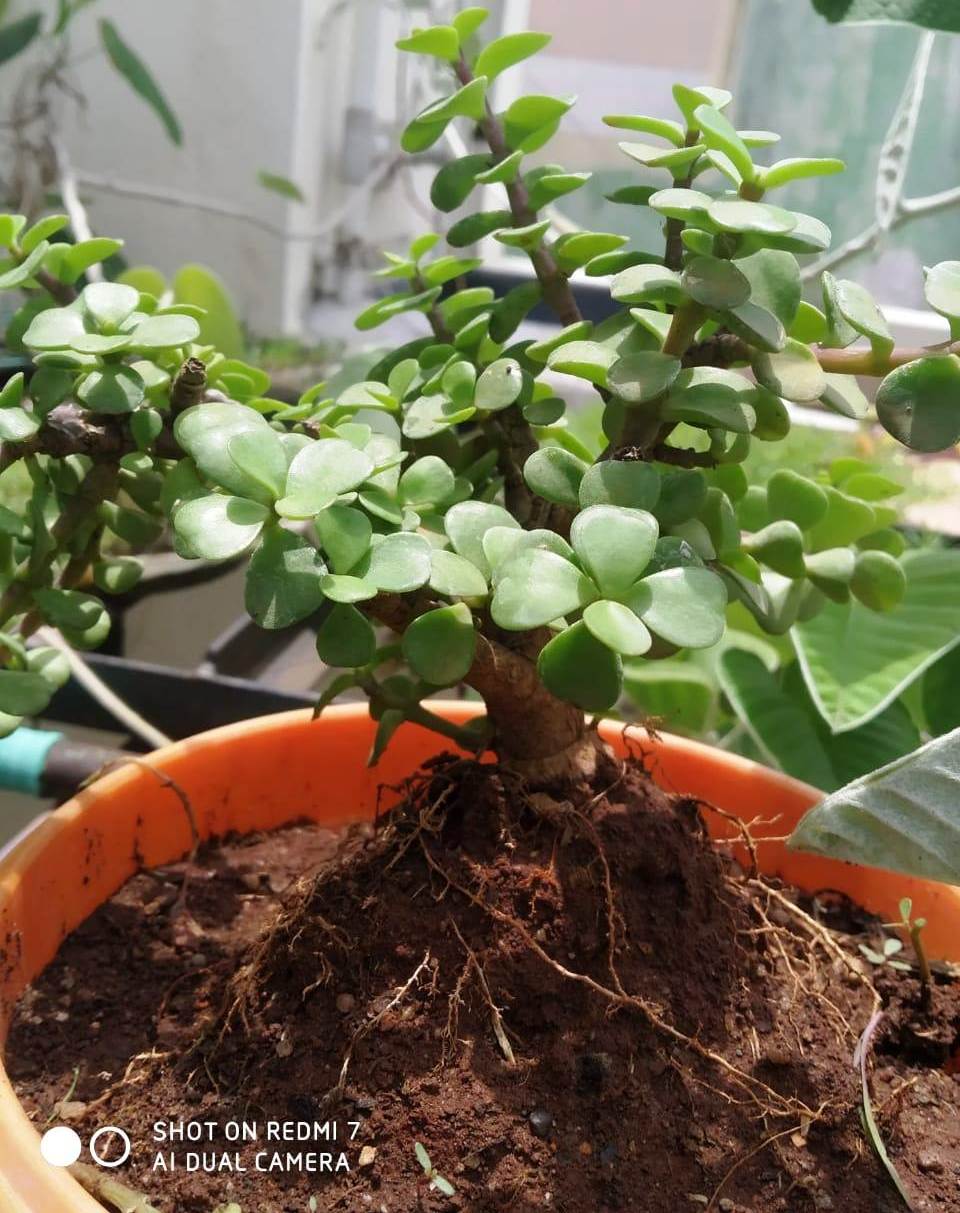
போன்சாய் மரங்களை வளர்க்க எளிய வழிமுறைகள்
Bonsai – Japanese form of art. Maintaining miniature trees in containers are called as Bonsai. Continuous care and manipulation is required for shaping the leaves, trunks and roots to meet the aesthetic value. Bonsai tree will take 10 – 15 years to obtain it’s maturity, but some species will take 30 years. If it take a long time, those bonsai will survive for hundreds of years. Bonsai can be developed for any woody stem perennial plants.
Banyan, Bougainvillea, Bodhi Tree, Jade, Ficus, Adenium, Maples and all type of woody structured trees can be create as bonsai.
போன்சாய் - ஜப்பானிய கலை வடிவம். சிறிய மரங்களை கொள்கலன்களில் பராமரிப்பது போன்சாய் என்று அழைக்கப்படுகிறது. இலைகள், தண்டுகள் மற்றும் வேர்களின் அழகியல் மதிப்பைக் கூட்டுவதற்கு தொடர்ச்சியான கவனிப்பு தேவை. போன்சாய் மரங்கள் அதன் முதிர்ச்சியைப் பெற 10 முதல் 15 ஆண்டுகள் ஆகும், ஆனால் சில இனங்கள் 30 ஆண்டுகள் ஆகும். நீண்ட காலம் எடுத்தால், அந்த போன்சாய்கள் பல நூறு ஆண்டுகள் உயிர் வாழும். கடினமான மரத்தண்டு உள்ள அனைத்து தாவரங்களிலும் போன்சாய் வடிவமைக்க முடியும்
ஆலமரம், போகேன்வில்லா/காகித பூ, போதி மரம், ஜேட், அரசு, அடினியம், மேப்பிள்ஸ் மற்றும் அனைத்து வகையான கடினமான மரத்தண்டு அமைப்புடைய மரங்களை போன்சாய்களாக உருவாக்கலாம்.
Selection of Bonsai tree
போன்சாய் மரத்தின் தேர்வு
Any types of plant propagation techniques could create bonsai. Even though, few techniques will facilitate quick production of mature trunk with well-developed foliage. Those are,
அனைத்து வகையான தாவர பெருக்க நுட்பங்களின் மூலமும் போன்சாயை உருவாக்கலாம். எனினும், சில நுட்பங்கள் நன்கு வளர்ந்த பசுமையாக முதிர்ந்த தண்டுகளை விரைவாக உற்பத்தி செய்ய உதவும்.அவை,
Cuttings: Cuttings from the matured branches with 4-5 growing nodes will produce quicker Bonsai than growing from the seeds.
தாவர தண்டு பாக துண்டுகள்: முதிர்ச்சியடைந்த கிளைகளில் இருந்து 4-5 வளரும் முனைகளுடன் தாவர தண்டு பாக துண்டுகளை வெட்டினால், விதைகளிலிருந்து வளர்வதை விட விரைவாக போன்சாய் உருவாகும்.
Layering: Rooting is facilitated from part of a plant. Different types of layering is possible to create Bonsai like, Simple layering, tip layering, air layering, mount layering, etc.,. Usually a layered branch would be attached with the parent plant still root development in the layering portion. After well developed roots, the branch is separated from the parent and grow as Bonsai.
பதியம்: தாவரத்தின் பாகங்களிலிருந்து வேர்விடும் வசதி செய்யப்படுகிறது. எளிய முறை பதியம், நுனி பதியம், விண் பதியம், மவுண்ட் லேயரிங் போன்றவை மூலம் போன்சாய் சாத்தியமாகும். தாய் செடியின் ஒரு பாகம் வேர் உருவாக ஏதுவான சூழல் ஏற்படுத்தபடும். வேர் உருவான பின் தனியாக வெட்டப்பட்டு போன்சாய் வளர்க்கப்படும்.
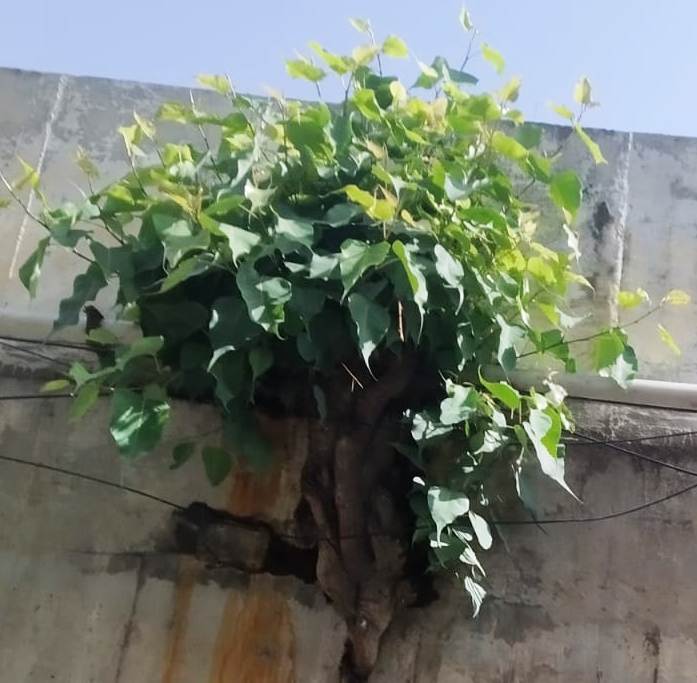
Natural Selection: Collection of naturally available bonsai materials from the old buildings, road sides, bridges (Shown in below image), private yards, or hedgerow plants is the best source for bonsai development. Hedgerow trees grown for many years, trimmed continuously to maintain the height of the hedges. Trunk portion of these hedgerow plants would be big and strong as well suitable for the Bonsai.
இயற்கையான போன்சாய் தேர்வு: பழைய கட்டிடங்கள், சாலை ஓரங்கள், பாலங்கள் (கீழே உள்ள படத்தில் காட்டப்பட்டுள்ளது), தனியார் தோப்புகள் அல்லது வரப்பு ஒர செடிகள் ஆகியவற்றில் இருந்து இயற்கையாக கிடைக்கும் போன்சாய் மரங்களை / தாவரங்களை சேகரிப்பது போன்சாய் வளர்ப்பிற்கு சிறந்த ஆதாரமாகும். பல ஆண்டுகளாக வளர்க்கப்படும் வேலியோர மரங்கள், வேலிகளின் உயரத்தை பராமரிக்க தொடர்ந்து வெட்டப்படுகின்றன.இந்த வேலியோர செடிகளின் தண்டு பகுதி பெரியதாகவும் வலுவாகவும் இருக்கும் மற்றும் சிறந்த போன்சாய்க்கு ஏற்றதாக இருக்கும்.
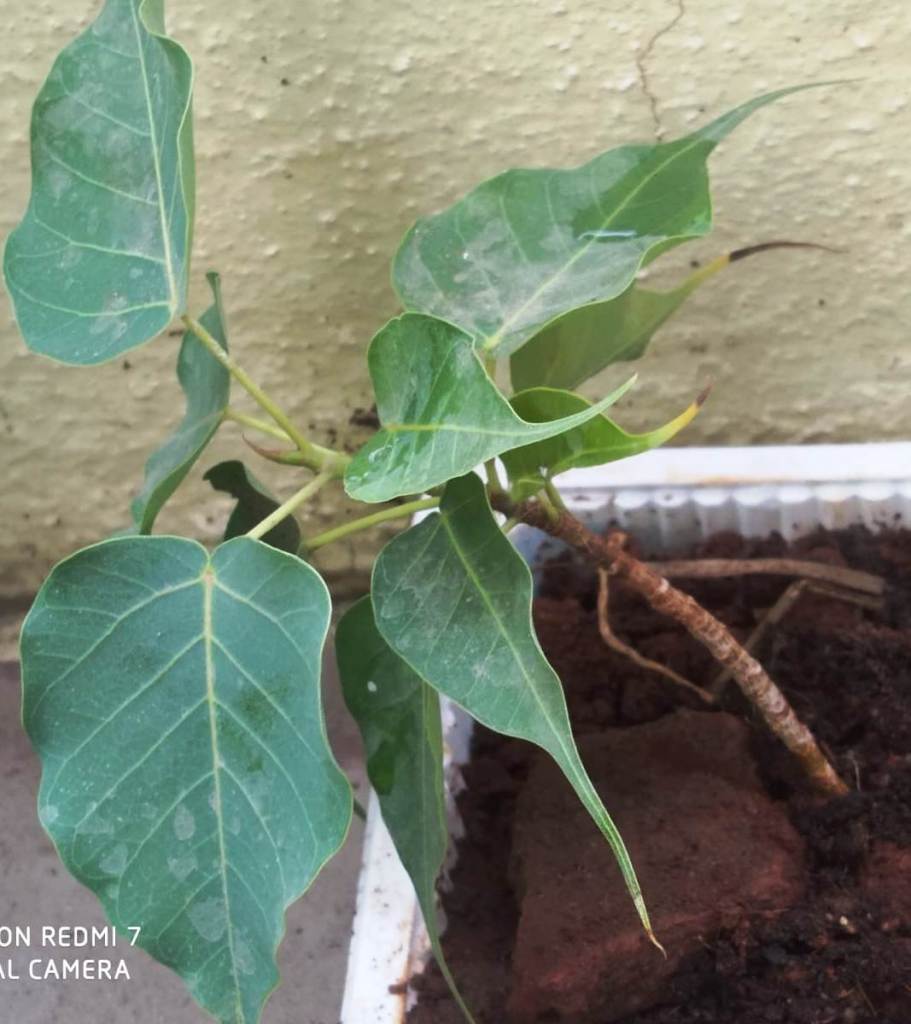
Nursery collection: Non bonsai plants from the nursery can be collected and replanting it in to the container for bonsai development. Nursery plants is already pot-conditioned, so, it can be performed well as a bonsai very easily. But, these plants are very long and without any side branches. Hence, selection is crucial process in this case.
நாற்றங்கால் போன்சாய் சேகரிப்பு: நாற்றங்காலில் இருந்து போன்சாய் அல்லாத செடிகளை சேகரித்து, போன்சாய் வளர்ச்சிக்காக கொள்கலனில் மீண்டும் நடலாம். நாற்றங்கால் தாவரங்கள் ஏற்கனவே கொள்கலனில் வளரும் தன்மை உடையவை, எனவே, அதை மிக எளிதாக ஒரு போன்சாயாக மாற்றலாம். ஆனால், இந்த செடிகள் மிக நீளமாகவும், பக்கவாட்டு கிளைகள் ஏதுமின்றியும் இருக்கும். எனவே, நாற்றங்கால் செடி தேர்வு ஒரு முக்கியமான செய்கை ஆகும்.
Seed: Very popular method of bonsai cultivation. You can decide the shape and structure of the plants in this case. But, it requires patience. It will take long span of time to get the shape and size.
விதை: மிகவும் பிரபலமான போன்சாய் சாகுபடி முறை. இந்த முறையில் தாவரங்களின் வடிவம் மற்றும் கட்டமைப்பை நீங்கள் தீர்மானிக்கலாம். ஆனால், அதற்கு பொறுமை தேவை. போன்சாய் வடிவம் மற்றும் அளவைப் பெறுவதற்கு நீண்ட காலம் எடுக்கும்.
Selection of Container
The containers should be unpolished shallow pots of different sizes and shapes based on the availability and to create an aesthetic value – round, rectangular or square, etc.,. The size and depth of the container depends on the size of the bonsai plant to be grown. The containers should be simple with drainage facility.
போன்சாய் கொள்கலன் தேர்வு
அழகியல் மதிப்பை உருவாக்க பல்வேறு அளவுகள் மற்றும் வடிவங்கள் கொண்ட மெருகூட்டப்படாத ஆழமற்ற கொள்கலன்களாக இருக்க வேண்டும். வளர்க்கப்படும் போன்சாய் செடியின் அளவைப் பொறுத்து கொள்கலனின் அளவு மற்றும் ஆழம் மாறுபடும். கொள்கலன்கள் வடிகால் வசதியுடன் எளிமையாக இருக்க வேண்டும்.
Pot mix
Pot mix should be fresh, well-drained and rich in nutrients. It’s pH should be neutral. Loamy soil/garden soil 1 part and compost 1 part is recommended as potting mix. Small pebbles or large size soil particles or tree barks should be placed as bottom layer to ensure drainage. The prepared pot mix spread over the container as next layer and place the bonsai and again cover the roots of the plants with the pot mix. This pot mix will hold the plants as well the roots will get close contact with the soil.
மண் கலவை
மண் கலவை புதியதாகவும், ஊட்டச்சத்துக்கள் நிறைந்ததாகவும் இருக்க வேண்டும். அதன் கார அமில தன்மை நடுநிலையாக இருக்க வேண்டும். தோட்ட மண் 1 பகுதி மற்றும் தொழு உரம் / மண்புழு உரம் 1 பகுதி மண் கலவையாக பரிந்துரைக்கப்படுகிறது. சிறிய கூழாங்கற்கள் அல்லது பெரிய மண் துகள்கள் அல்லது மரத்தின் பட்டைகளை வடிகால் வசதிக்காக கீழ் அடுக்காக வைக்க வேண்டும். தயாரிக்கப்பட்ட மண் கலவையை கொள்கலனில் பரப்பி, போன்சாய் செடியினை வைத்து, மீண்டும் மண்கலவையினால் தாவரங்களின் வேர்களை மூடவும்.
Keep it in ideal condition
Most bonsai plants are growing as outdoor plants. Few plants can survive as an indoor plants. Young bonsai trees need to be re-potted every year. Matured trees can be maintained in the same pot for up to 2-3 years. After planting or re-potting, the container should be keep it in semi shaded area. Gradual exposure to the sun light is recommended. Maximum portion of the old soil need to be replaced while re-potting.
Manuring once in a fortnightly interval facilitates the proper plant growth. All macro and micro nutrients mix is advisable. Application of neem cake powder reduce the root rot diseases. Application of nitrogen based fertilizer increase the green coverage and trunk size. Phosphorus is necessary for the general health and vigor of the plants. Potash fertilizers supports flowering and fruiting. Water soluble pellet based fertilizers suitable for bonsai, because it release the nutrients slowly and fulfill the plants requirements.
சாதகமான சூழ்நிலையில் வளர்த்தல்
பெரும்பாலான போன்சாய் செடிகள் வெளிப்புற தாவரங்களாக வளர்ந்து வருகின்றன. சில தாவரங்கள் உட்புற தாவரங்களாக வாழ முடியும். இளம் போன்சாய் மரங்களை ஒவ்வொரு ஆண்டும் மீண்டும் மறுநடவு செய்ய வேண்டும். முதிர்ந்த மரங்களை ஒரே தொட்டியில் 2-3 ஆண்டுகள் வரை பராமரிக்கலாம். நடவு செய்த பிறகு அல்லது மீண்டும் மறுநடவு செய்த பிறகு, போன்சாய் மரங்களை அரை நிழலில் வைக்க வேண்டும். சூரிய ஒளியை படிப்படியாக வைப்பது பரிந்துரைக்கப்படுகிறது. மீண்டும் மறுநடவு செய்யும் போது பழைய மண்ணினை அதிகபட்சம் எடுத்து விட்டு புதிய மண்கலவையினை பயன்படுத்த வேண்டும்.
பதினைந்து நாட்களுக்கு ஒருமுறை உரமிடுவது சரியான போன்சாய் வளர்ச்சிக்கு உதவுகிறது. அனைத்து மேக்ரோ மற்றும் மைக்ரோ ஊட்டச்சத்து கலவை பரிந்துரைக்கப்படுகிறது. வேப்பம் பிண்ணாக்கு பொடியை இடுவதால் வேர் அழுகல் நோய்கள் குறையும். நைட்ரஜன் அடிப்படையிலான உரங்களைப் பயன்படுத்துவதன் மூலம், பச்சைப் பரப்பு மற்றும் தண்டு அளவு அதிகரிக்கும். தாவரங்களின் ஒட்டுமொத்த ஆரோக்கியத்திற்கும் வீரியத்திற்கும் பாஸ்பரஸ் அவசியம். பொட்டாஷ் உரங்கள் பூ மற்றும் பழம் தரும். நீரில் கரையக்கூடிய குருணை அடிப்படையிலான உரங்கள் போன்சாய்க்கு ஏற்றது, ஏனெனில் இது ஊட்டச்சத்துக்களை மெதுவாக வெளியிடுகிறது மற்றும் தாவரங்களின் தேவையை பூர்த்தி செய்கிறது.
Irrigation
The soil should never be allowed to dry up fully; because, bonsai plants are growing in shallow containers. While watering, ensure the entire root mass is wetted. Avoid water logging to prevent rotting.
நீர் பாசனம்
மண் முழுமையாக உலர அனுமதிக்கக்கூடாது; ஏனெனில், போன்சாய் செடிகள் ஆழமற்ற கொள்கலன்களில் வளர்வதால். நீர்ப்பாசனம் செய்யும் போது, முழு வேரும் ஈரமாக இருப்பதை உறுதி செய்யவும். வேர் அழுகுவதைத் தடுக்க நீர் தேங்குவதைத் தவிர்க்கவும்.
Prune and train
Pruning is not needed when branches are small and well arranged. Terminal growth should be removed to minimize the height of the bonsai. This process induce the growth of auxiliary branches. Pruning is important to maintain the trees miniaturized. Pruning frequency depends on growth habit of the plant. Soil and root should not be disturbed at the time of pruning or pinching or wiring or training.
Wiring is must to develop a expected shape. Copper or Aluminum wires are used to bring the shape of tree in the desired way. Wiring is possible with tender trunks. Whereas, shaping of the matured trees are possible with screw-based clamps. This process is called as Clamping.
Penjing: Chinese art of Bonsai
Saikei: Japanese miniature landscape with live plants in a tray
கவாத்து செய்தல்
கிளைகள் சிறியதாகவும் நன்கு ஒழுங்கமைக்கப்பட்டதாகவும் இருக்கும் போது கவாத்து தேவையில்லை. போன்சாயின் உயரத்தைக் குறைக்க நுனி கிளை வளர்ச்சியை அகற்ற வேண்டும். இதனால் பக்க கிளைகளின் வளர்ச்சி தூண்டப்படுகிறது. மரங்களை சிறியதாக பராமரிக்க கவாத்து முக்கியம். கவாத்து செய்வதற்கான இடைவெளி தாவரத்தின் வளர்ச்சியைப் பொறுத்தது. கவாத்து செய்யும் போது மண் மற்றும் வேரினை தொந்தரவு செய்யக்கூடாது.
எதிர்பார்க்கப்படும் வடிவத்தை உருவாக்க வயரிங்/கட்டுதல் அவசியம். தாமிரம் அல்லது அலுமினிய கம்பிகள் மரத்தின் வடிவத்தை விரும்பிய வழியில் கொண்டு வர பயன்படுகிறது. இளம் தண்டுகளை வடிவமைக்க தாமிரம் அல்லது அலுமினிய கம்பிகள் போதும். அதேசமயம், முதிர்ச்சியடைந்த மரங்களை வடிவமைக்க திருகு அடிப்படையிலான கவ்விகள் மூலம் வடிவமைக்க முடியும். இந்த செயல்முறை கிளாம்பிங் என்று அழைக்கப்படுகிறது.
பென்ஜிங்: சீன கலை போன்சாய்
சாய்கேய்: ஒரு தட்டில் வளர்க்கப்படும் தாவரங்களுடன் ஜப்பானிய மினியேச்சர் நிலஅமைப்பு
Happy Greening
P. Dheivanai, M.Sc.(Ag.), SAAI Greens, 9382132593

 SAAI Academy