Agricultural Revolutions in India

Green Revolution: The early 1960s was the phase of the Green revolution in India. It led to an increase in higher-yielding varieties of seeds due to improved agronomic technology. It allowed the then developing country, India, to overcome poor agricultural productivity.

பசுமைப் புரட்சி: 1960களின் ஆரம்பம் இந்தியாவில் பசுமைப் புரட்சியின் கட்டம். இது மேம்படுத்தப்பட்ட வேளாண் தொழில்நுட்பத்தின் காரணமாக அதிக மகசூல் தரும் விதைகளின் அதிகரிப்புக்கு வழிவகுத்தது. அப்போது வளரும் நாடான இந்தியா, மோசமான விவசாய உற்பத்தித்திறனைக் கடக்க அனுமதித்தது.

Black Revolution: To increase petroleum production, the Government planned to accelerate the production of ethanol and to mix it up with petrol to produce biodiesel. Ethanol is a renewable source of energy and is a by-product of sugar production produced from molasses. The blending of ethanol with petrol has been practiced in the USA and Brazil for over 70 years. The blending of ethanol with transport fuels would provide better returns to farmers, supplement scare resources of hydrocarbons and environment-friendly by reducing pollutants as it helps combustion.

கறுப்புப் புரட்சி: பெட்ரோலிய உற்பத்தியை அதிகரிக்க, எத்தனால் உற்பத்தியை துரிதப்படுத்தவும், பெட்ரோலுடன் கலந்து பயோடீசல் தயாரிக்கவும் அரசு திட்டமிட்டது. எத்தனால் ஒரு புதுப்பிக்கத்தக்க ஆற்றல் மூலமாகும் மற்றும் வெல்லப்பாகுகளிலிருந்து தயாரிக்கப்படும் சர்க்கரை உற்பத்தியின் துணை தயாரிப்பு ஆகும். பெட்ரோலுடன் எத்தனால் கலப்பது அமெரிக்காவிலும் பிரேசிலிலும் 70 ஆண்டுகளுக்கும் மேலாக நடைமுறையில் உள்ளது. போக்குவரத்து எரிபொருட்களுடன் எத்தனாலைக் கலப்பது விவசாயிகளுக்குச் சிறந்த வருவாயை வழங்கும், ஹைட்ரோகார்பன்களின் பயமுறுத்தும் வளங்களைச் சேர்க்கும் மற்றும் எரிப்புக்கு உதவுவதால் மாசுகளைக் குறைப்பதன் மூலம் சுற்றுச்சூழலுக்கு உகந்ததாக இருக்கும்.

Pink Revolution: The boom of export and production of meat in India is the period of the Pink Revolution. It denotes the technological revolution in the poultry and meat processing sector. 

இளஞ்சிவப்பு புரட்சி: இந்தியாவில் இறைச்சி ஏற்றுமதி மற்றும் உற்பத்தியின் ஏற்றம் இளஞ்சிவப்பு புரட்சியின் காலம். இது கோழி மற்றும் இறைச்சி பதப்படுத்தும் துறையில் தொழில்நுட்ப புரட்சியை குறிக்கிறது.

Grey Revolution: Grey revolution is related to increased fertilizer production. It is basically associated with the effects of the green revolution of India.

சாம்பல் புரட்சி: சாம்பல் புரட்சி என்பது உர உற்பத்தியை அதிகரிப்பதுடன் தொடர்புடையது. இது அடிப்படையில் இந்தியாவின் பசுமைப் புரட்சியினுடன் தொடர்புடையது.

White Revolution: Dr. Verghese Kurien, the Father of the White Revolution was a social entrepreneur. His “billion-litre idea”, Operation Flood made India the world’s largest milk producer and dairy farming India’s largest self-sustaining industry.

வெண்மைப் புரட்சி: வெண்மைப் புரட்சியின் தந்தை டாக்டர் வர்கீஸ் குரியன் ஒரு சமூகத் தொழிலதிபர். அவரது “பில்லியன் லிட்டர் யோசனை”, ஆபரேஷன் ஃப்ளட் இந்தியாவை உலகின் மிகப்பெரிய பால் உற்பத்தியாளர் மற்றும் பால் பண்ணை இந்தியாவின் மிகப்பெரிய தன்னிறைவுத் தொழிலாக மாற்றியது.

Operation Greens: On the lines of Operation Flood, the Government of India launched Operation Greens seeking to mirror the success of milk in the White Revolution for fruits and vegetables of the nation with a major focus on Tomato, onion and potato – TOP Crops. The scheme operation Greens was launched in the Union budget 2018-2019.

ஆபரேஷன் கிரீன்ஸ்: ஆபரேஷன் ஃப்ளட் வழியில், தக்காளி, வெங்காயம் மற்றும் உருளைக்கிழங்கு – டாப் பயிர்களில் முக்கிய கவனம் செலுத்தி நாட்டின் பழங்கள் மற்றும் காய்கறிகளுக்கான வெண்மைப் புரட்சியில் பாலின் வெற்றியைப் பிரதிபலிக்கும் வகையில் இந்திய அரசு ஆபரேஷன் கிரீன்ஸைத் தொடங்கியது. பசுமை திட்டம் 2018-2019 யூனியன் பட்ஜெட்டில் தொடங்கப்பட்டது.

Yellow Revolution: In the Yellow Revolution,  rising from the ‘net importer’ state, India achieved the status of a self-sufficient and net exporter. An all-time record of 25 million tonnes of oil seeds production from annual oil seed crops was attained during the early nineties.

மஞ்சள் புரட்சி: மஞ்சள் புரட்சியில், ‘நிகர இறக்குமதியாளர்’ மாநிலத்திலிருந்து உயர்ந்து, இந்தியா தன்னிறைவு மற்றும் நிகர ஏற்றுமதியாளர் நிலையை அடைந்தது. தொண்ணூறுகளின் முற்பகுதியில் ஆண்டுதோறும் எண்ணெய் வித்து பயிர்களில் இருந்து 25 மில்லியன் டன் எண்ணெய் வித்துக்கள் உற்பத்தி என்ற வரலாறு காணாத சாதனையாக இருந்தது.

Silver Revolution: The production of eggs was tremendously increased during the Silver Revolution phase. The increased production of eggs was made possible due to medical science and more protein-rich food for the hens. 

வெள்ளிப் புரட்சி: வெள்ளிப் புரட்சியின் போது முட்டை உற்பத்தி பெருமளவில் அதிகரித்தது. மருத்துவ விஞ்ஞானம் மற்றும் கோழிகளுக்கு அதிக புரதம் நிறைந்த உணவு காரணமாக முட்டைகளின் உற்பத்தி அதிகரித்தது.

Golden Revolution: The period between 1991 to 2003 is known as the period of the Golden Revolution. This made India a world leader in the production of bananas, mangoes, etc. and provided sustainable livelihood and nutrition options.

பொன் புரட்சி: 1991 முதல் 2003 வரையிலான காலகட்டம் பொன் புரட்சியின் காலம் என அழைக்கப்படுகிறது. இது வாழைப்பழங்கள், மாம்பழங்கள் போன்றவற்றின் உற்பத்தியில் இந்தியாவை உலகத் தலைவராக்கியது மற்றும் நிலையான வாழ்வாதாரம் மற்றும் ஊட்டச்சத்து விருப்பங்களை வழங்கியது.

Brown Revolution: This revolution focuses on meeting the demand for coffee from the developed nations by growing socially responsible and environment-friendly coffee. The Brown Revolution is related to Visakhapatnam’s tribal areas.

பழுப்புப் புரட்சி: சமூகப் பொறுப்புணர்வு மற்றும் சுற்றுச்சூழலுக்கு உகந்த காபியை வளர்ப்பதன் மூலம் வளர்ந்த நாடுகளின் காபியின் தேவையைப் பூர்த்தி செய்வதில் இந்தப் புரட்சி கவனம் செலுத்துகிறது. பழுப்புப் புரட்சி விசாகப்பட்டினத்தின் பழங்குடிப் பகுதிகளுடன் தொடர்புடையது.

Blue Revolution: Blue revolution made the emergence of aquaculture an important and highly productive agricultural activity.

நீலப் புரட்சி: நீலப் புரட்சியானது மீன் வளர்ப்பின் தோற்றத்தை ஒரு முக்கியமான மற்றும் அதிக உற்பத்தி செய்யும் விவசாய நடவடிக்கையாக மாற்றியது.

Golden Fiber Revolution: Golden Fibre Revolution in India is related to jute production. During the industrial revolution, jute started being used as a raw material in the fabric industry and until today, the processed jute is used for making strong threads and jute products.

கோல்டன் ஃபைபர் புரட்சி: இந்தியாவில் கோல்டன் ஃபைபர் புரட்சி என்பது சணல் உற்பத்தியுடன் தொடர்புடையது. தொழில்துறை புரட்சியின் போது, ​​​​சணல் துணித் தொழிலில் ஒரு மூலப்பொருளாகப் பயன்படுத்தத் தொடங்கியது, இன்று வரை, பதப்படுத்தப்பட்ட சணல் வலுவான நூல்கள் மற்றும் சணல் பொருட்கள் தயாரிக்க பயன்படுத்தப்படுகிறது.

DetailsRevolutionPeriodFather of the revolution
Milk Production /
Operation flood
White Revolution1970-1996Verghese Kurien
Food GrainsGreen Revolution 1966-1967M.S. Swaminathan 
PotatoRound Revolution1965-2005
Meat Production /
Tomato Production
Red Revolution
1980Vishal Tewari
CottonSilver Fiber Revolution2000
Egg Production /
Poultry Production
Silver Revolution 2000Indira Gandhi (Mother of the Revolution)
Onion Production /
Pharmaceuticals /
Prawn Production
Pink Revolution
1970Durgesh Patel
Fertilizers Grey Revolution1960-1970
WoolViolet Revolution
Fruits /
Honey Production /
Horticulture Development
Golden Revolution 1991-2003Nirpakh Tutej
Jute ProductionGolden Fiber Revolution1990
Leather / Cocoa /
Non-Conventional Products
Brown RevolutionHiralal Chaudhari
Fish ProductionBlue Revolution 1973-2002Dr. Hiralal Chaudhuri &
Dr Arun Krishnan
Petroleum productsBlack Revolution
Oil seed Production (Especially Mustard and Sunflower)Yellow Revolution 1986-1990Sam Pitroda
Higher Production (Technology-driven 2nd Green revolution)Protein Revolution2014-2020Coined by Narendra Modi and Arun Jaitely
Integration of ecological principles in technology developmentEvergreen Revolution2017-2022M S Swaminathan

Best Wishes

TNPSC Group 4 2024 question bank

The TNPSC Group 4 Answer Key 2024 and Question Paper are available. Use the provided answer key and question paper PDF to evaluate your performance in the TNPSC Group 4 Exam held on 9th June 2024.

Best wishes

TN SET 2024 postponed

Tamil Nadu State Eligibility Test for Assistant Professors examination scheduled on 7th and 8th June 2024 is postponed due to technical reasons. The revised date will be intimated later.

Best Wishes… Prepare well….

PG TRB / UGC NET / SET – Commerce & Management GIST Book Model pages

Useful to attend PG TRB Descriptive type questions and Multiple choice questions…

Best Wishes

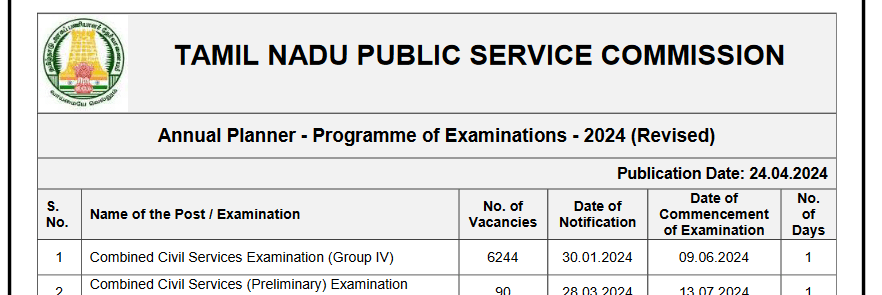
Revised Annual Planner – TNPSC 2024

Assistant Director of Agriculture (Extension) – Post Graduate Degree, Agricultural Officer (Extension) – Degree / Post Graduate Degree and Assistant Agricultural Officer – Diploma posting included..

Prepare well…

Candidates from Horticulture degree also prepare well…

Best wishes

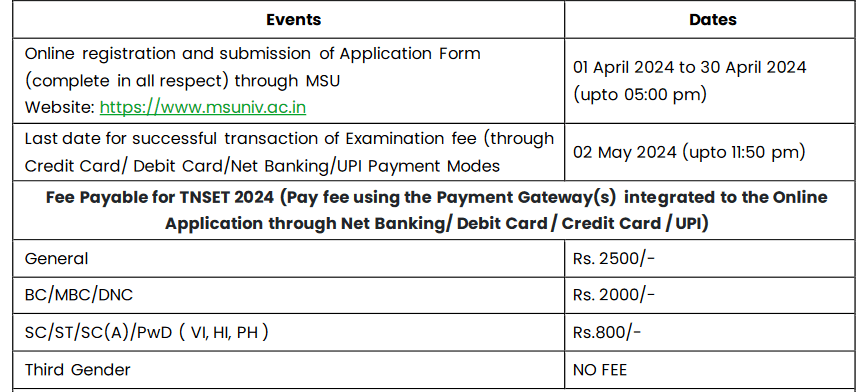
TAMIL NADU STATE ELIGIBILITY TEST (TNSET 2024) FOR ASSISTANT PROFESSORS

The Government of Tamil Nadu vide its G.O.(D) No.262 dated 02 -09-2023 has nominated
Manonmaniam Sundaranar University as “Nodal Agency” to conduct State Eligibility Test (SET)
from the academic year 2023-2024 on behalf of the Government of Tamil Nadu. UGC vide its letter
No.F.7-7/2015(NET/SET) dated 20-09-2023 has updated its official record that Manonmaniam
Sundaranar University is the “Nodal Agency”.

Pattern of Examination

The TNSET would be conducted in the pattern of UGC-NET. Accordingly, the test will consist of two papers as in UGC-NET. Both the papers are only of objective type and multiple choice questions (MCQ) in Computer Based Test (CBT) mode. There will be no break between the papers.

Paper 1 Syllabus

Paper II Syllabus visit

https://msutnset.com/subjects#links: TAMIL NADU STATE ELIGIBILITY TEST (TNSET 2024) FOR ASSISTANT PROFESSORS

Paper 1 Book available

https://saaiacademy.in/2024/01/20/nta-ugc-net-preparation-paper-1-book-model-pages/: TAMIL NADU STATE ELIGIBILITY TEST (TNSET 2024) FOR ASSISTANT PROFESSORS

Best wishes

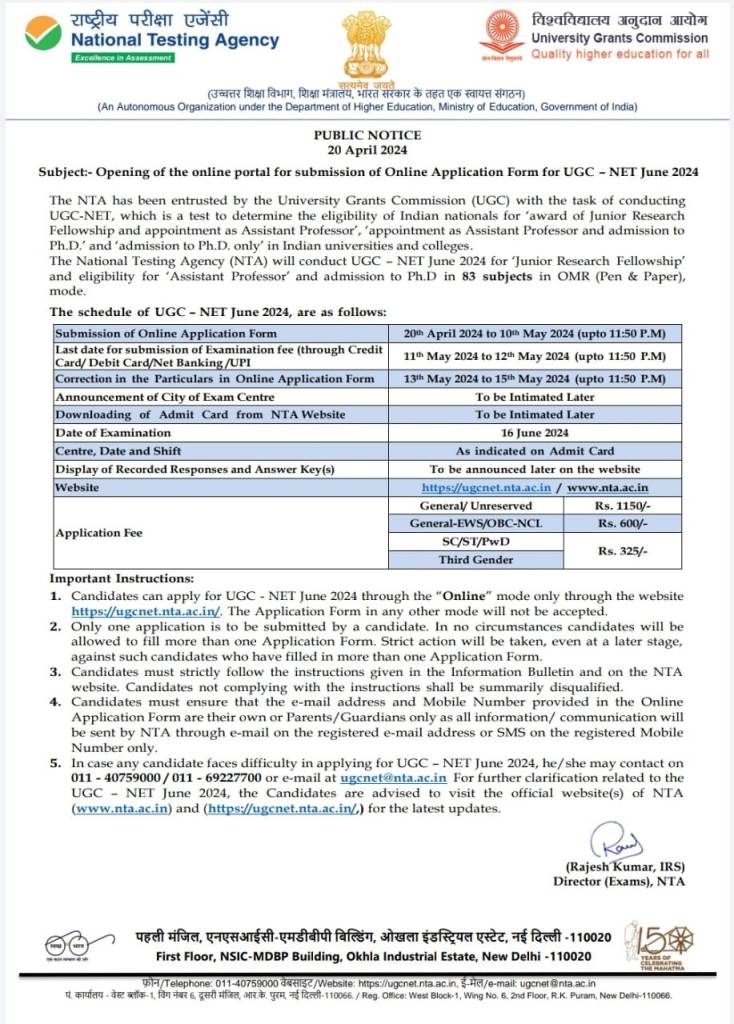
University Grants Commission – National Eligibility Test June 2024 – Pen and Paper mode exam

The Examination shall be conducted in OMR Based mode (Pen and Paper) only.

Best Wishes

TEACHERS RECRUITMENT BOARD – Assistant Professor – Syllabus & Exam Pattern

ASSISTANT PROFESSORS IN TAMIL NADU COLLEGIATE EDUCATIONAL SERVICE

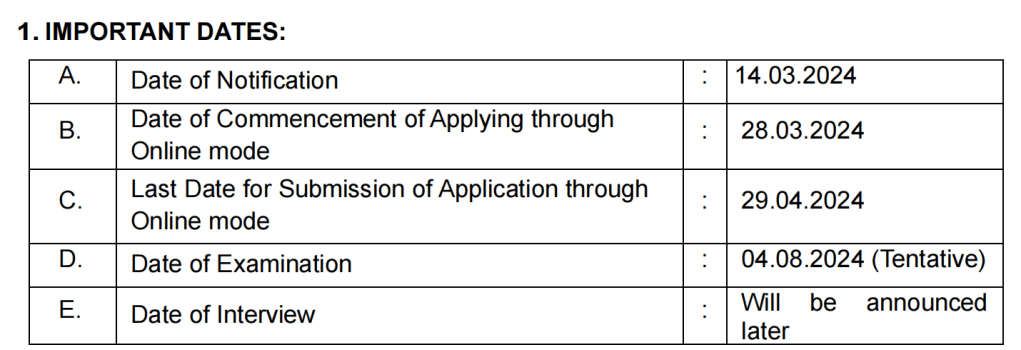
Applications are invited from eligible candidates for Direct Recruitment to the posts of Assistant Professors in Tamil Nadu Collegiate Educational Service for Government Arts & Science Colleges and Government Colleges of Education through online mode only up to 05.00 p.m. on 29.04.2024. The Government have granted permission to fill up 4000 (Four Thousand) vacancies for appointment to the posts of Assistant Professors in the Tamil Nadu Collegiate Educational Service for Government Arts & Science Colleges and Government Colleges of Education by Direct Recruitment.

SCHEME OF EXAMINATION:

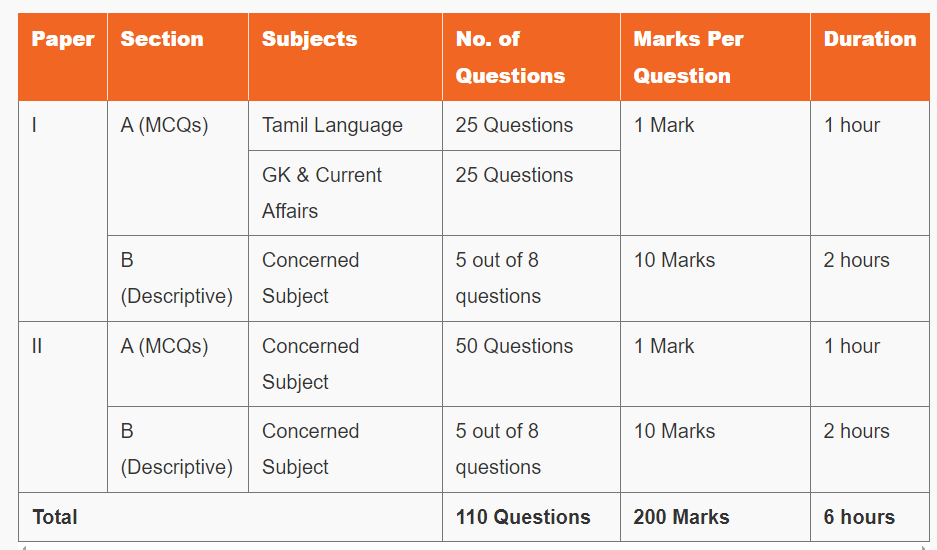
The scheme of examination shall be as announced in G.O.(Ms)No.246, Higher Education (F2) department, Dated:08.11.2022 as below. The marks for written examination shall be fixed as 200 and 15 percent of the marks shall be for interview as detailed below:

1. The Scheme of Examination for Paper-1, 50 MCQ from Section – A shall contain 25 questions from Tamil Language, and the remaining 25 questions from G.K., especially on Current Affairs.

2. Section-B of Paper – I and Section – A and Section – B of Paper -II shall be as mentioned in the G.O.(Ms) No.246, Higher Education (F2) Department, Dated:08.11.2022.

3. The Questions from Section – B of Paper – I shall be based on the first two levels of Revised Bloom’s Taxonomy. i.e., Remembering and Understanding. The Questions from Section – B of Paper – II shall be from the next four higher order levels i.e., Applying, Analysing, Evaluating and Creating.

Refer PDF for more details:

Syllabus for Paper I Section A – GK & Current Affairs

  • Indian Constitution.
  • Economy – India.
  • General Science.
  • Science & Technology.
  • History – India & Tamil Nadu.
  • National & International Organizations.
  • geography – India, Tamil Nadu & World.
  • Important Days.
  • Abbreviations.
  • Indian Polity.
  • Indian Constitution.
  • Books & Authors
  • Who’s Who?
  • Social- Economic & Cultural Issues.
  • People & Personalities.
  • Social- Economic & Cultural Issues.
  • Sports
  • Awards and Honors, etc.,

Syllabus for Paper II – Concerned Subjects

Best wishes to become a quality professor….

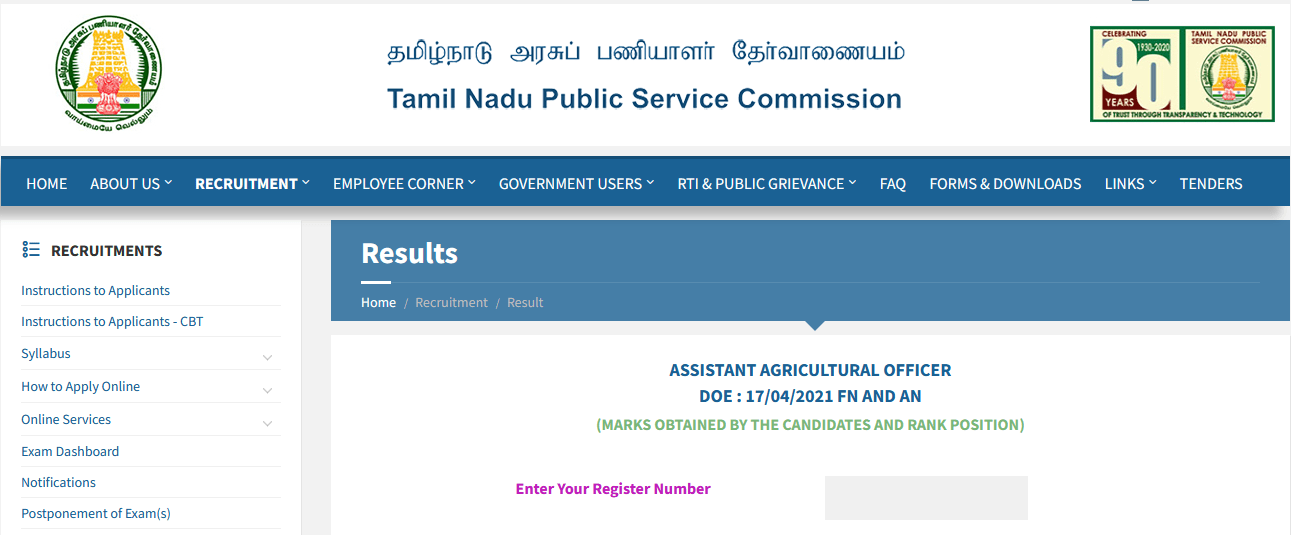
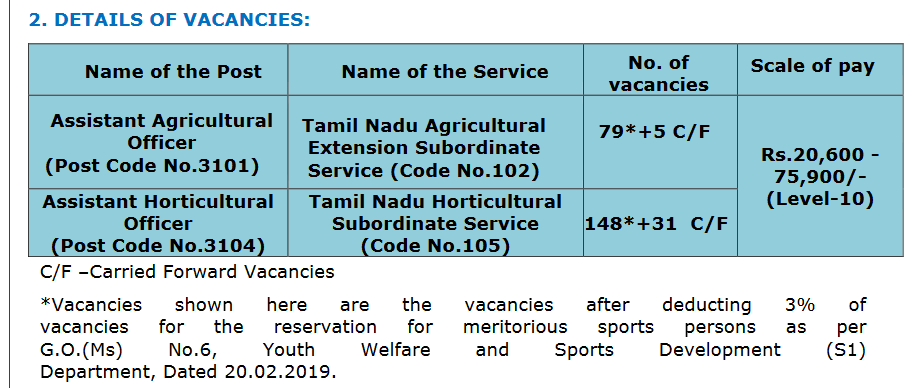
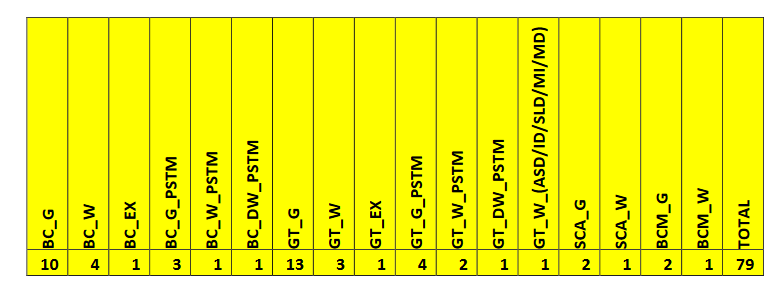
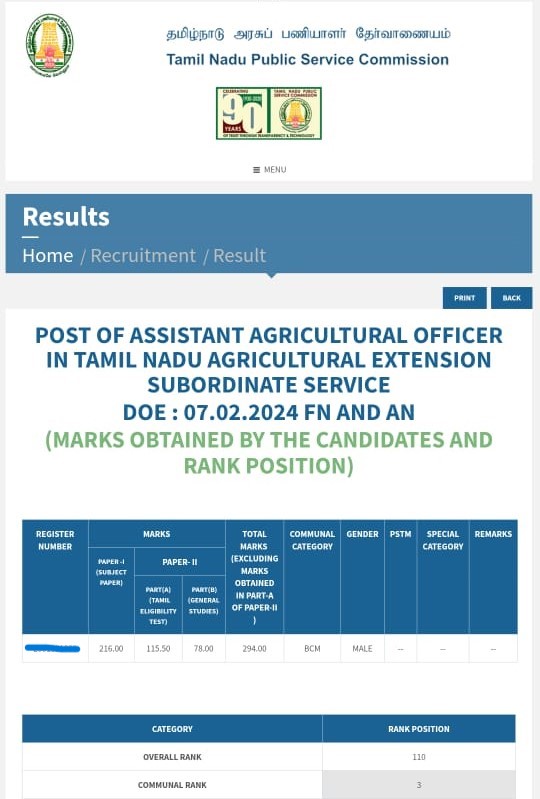
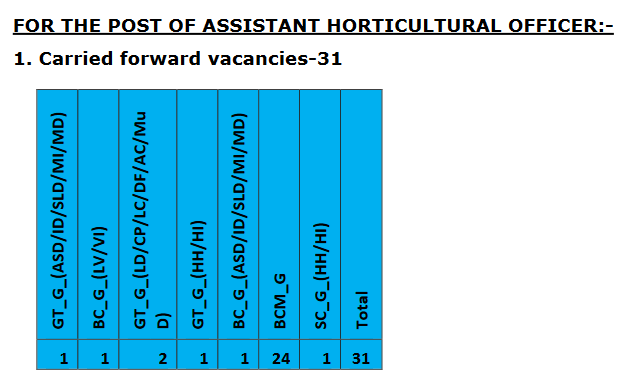
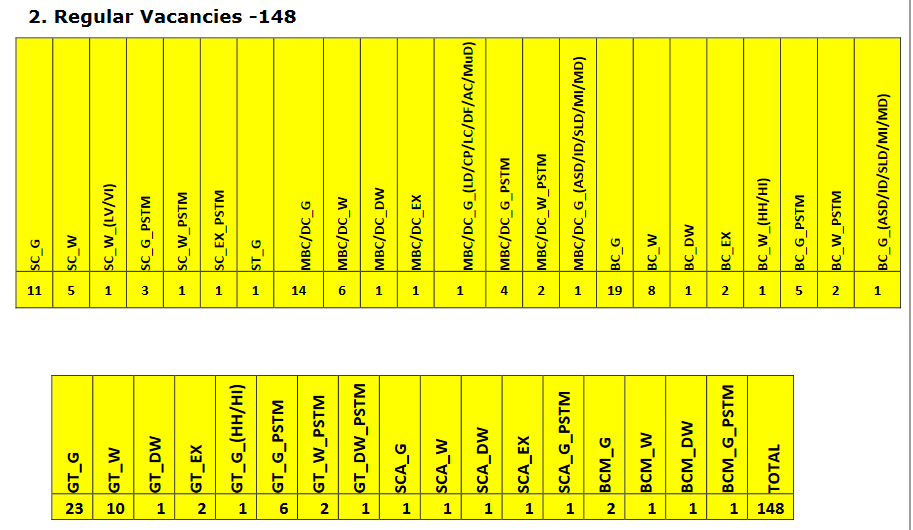
TNPSC AAO, AHO Result 2024 Clarification- Congratulations Winners

TNPSC AAO, AHO முடிவு 2024 தெளிவுபடுத்தல்- வெற்றியாளர்களுக்கு வாழ்த்துகள்

The release of the Assistant Agricultural Officer (AAO) and Assistant Horticultural Officer (AHO) Merit List 2024 by TNPSC is sparking curiosity among candidates who participated in the examination held on the 7th of February 2024.

உதவி வேளாண்மை அலுவலர் (AAO) மற்றும் உதவி தோட்டக்கலை அலுவலர் (AHO) தகுதிப் பட்டியல் 2024 TNPSC வெளியிட்டுள்ளது, பிப்ரவரி 7, 2024 அன்று நடைபெற்ற தேர்வில் பங்கேற்ற விண்ணப்பதாரர்களிடையே ஆர்வத்தைத் தூண்டுகிறது.
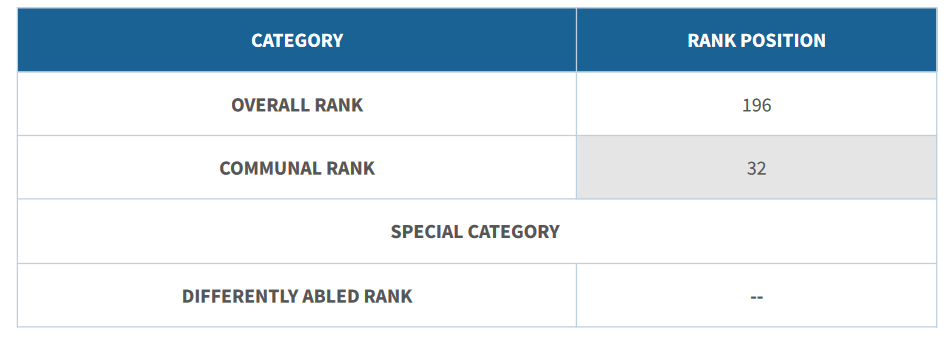
  1. Communal Rank: This refers to your rank within a specific community or category, such as General, OBC, SC, ST, etc., depending on the reservation policies of the exam conducting authority.
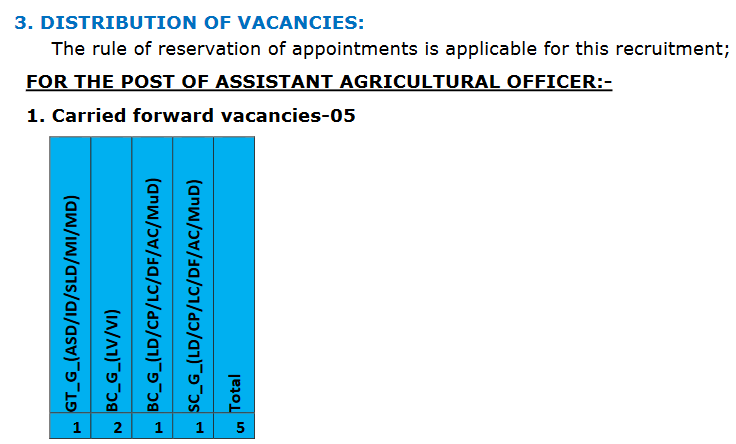
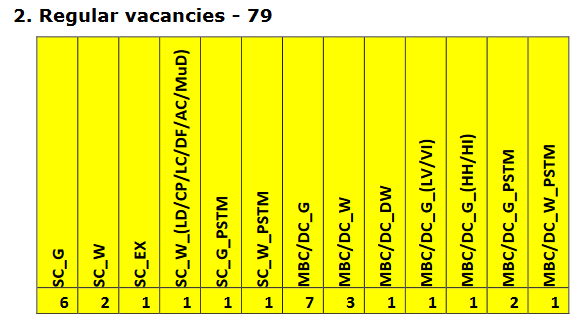
  2. Overall Allocation Chart: This chart typically shows the total number of vacancies available for a particular exam, often categorized by different posts or departments.
  3. Call for Certificate Verification and Oral Test: TNPSC generally calls a certain ratio of candidates for certificate verification and oral tests. This ratio could be 1:2 or 1:3, meaning for every vacancy, they might call two or three candidates for the subsequent verification and oral test process.

Now, to compare your communal rank with the overall allocation:

  • If your communal rank falls within the specified ratio (1:2 or 1:3) of the overall vacancies, it indicates that you have a good chance of being called for the certificate verification and oral test.
  • If your communal rank is within the top ranks corresponding to the total number of vacancies, you have a higher probability of being called for further rounds.

So, you would need to check your communal rank and compare it with the total number of vacancies available, ensuring that it falls within the ratio specified for certificate verification and oral tests by TNPSC.

வகுப்புவாத தரவரிசை: இது பொது, OBC, SC, ST போன்ற ஒரு குறிப்பிட்ட சமூகம் அல்லது பிரிவில் உள்ள உங்கள் தரவரிசையைக் குறிக்கிறது, இது தேர்வு நடத்தும் அதிகாரத்தின் இடஒதுக்கீட்டுக் கொள்கைகளைப் பொறுத்து.

ஒட்டுமொத்த ஒதுக்கீடு விளக்கப்படம்: இந்த விளக்கப்படம் பொதுவாக ஒரு குறிப்பிட்ட தேர்வுக்கான மொத்த காலியிடங்களின் எண்ணிக்கையைக் காட்டுகிறது, பெரும்பாலும் வெவ்வேறு பதவிகள் அல்லது துறைகளால் வகைப்படுத்தப்படுகிறது.

சான்றிதழ் சரிபார்ப்பு மற்றும் வாய்வழி சோதனைக்கான அழைப்பு: TNPSC பொதுவாக ஒரு குறிப்பிட்ட விகிதத்தில் சான்றிதழ் சரிபார்ப்பு மற்றும் வாய்வழி சோதனைகளுக்கு அழைக்கிறது. இந்த விகிதம் 1:2 அல்லது 1:3 ஆக இருக்கலாம், அதாவது ஒவ்வொரு காலியிடத்திற்கும், அவர்கள் இரண்டு அல்லது மூன்று விண்ணப்பதாரர்களை அடுத்தடுத்த சரிபார்ப்பு மற்றும் வாய்வழி சோதனை செயல்முறைக்கு அழைக்கலாம்.

இப்போது, ​​உங்கள் வகுப்புவாத தரவரிசையை ஒட்டுமொத்த ஒதுக்கீட்டுடன் ஒப்பிட:ஒட்டுமொத்த காலியிடங்களின் குறிப்பிட்ட விகிதத்தில் (1:2 அல்லது 1:3) உங்கள் வகுப்புவாத தரவரிசை வந்தால், சான்றிதழ் சரிபார்ப்பு மற்றும் வாய்வழி சோதனைக்கு நீங்கள் அழைக்கப்படுவதற்கான நல்ல வாய்ப்பு உள்ளது என்பதை இது குறிக்கிறது.

உங்கள் வகுப்புவாத ரேங்க், காலியிடங்களின் மொத்த எண்ணிக்கையுடன் தொடர்புடைய உயர் பதவிகளுக்குள் இருந்தால், அடுத்த சுற்றுகளுக்கு நீங்கள் அழைக்கப்படுவதற்கான அதிக நிகழ்தகவு உள்ளது.எனவே, TNPSC யின் சான்றிதழ் சரிபார்ப்பு மற்றும் வாய்வழிச் சோதனைகளுக்குக் குறிப்பிடப்பட்ட விகிதத்திற்குள் வருவதை உறுதிசெய்து, உங்கள் வகுப்புவாத தரவரிசையைச் சரிபார்த்து, மொத்த காலியிடங்களின் எண்ணிக்கையுடன் ஒப்பிட்டுப் பார்க்க வேண்டும்.

Best Wishes

National Eligibility Test (NET) as an Entrance Test for Admission to Ph.D.

The University Grants Commission (UGC) has decided to implement a marking system in the National Eligibility Test (NET) as a step toward discontinuing entrance examinations conducted by universities for PhD programs. Consequently, the UGC has designated the NET as the singular national entrance test for PhD admissions.

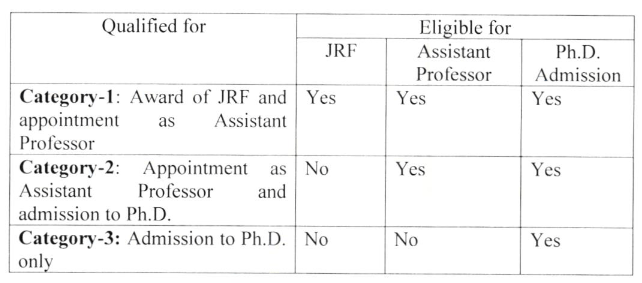
From June 2024 onwards, therefore, the NET candidates will be declared eligible in three categories: