
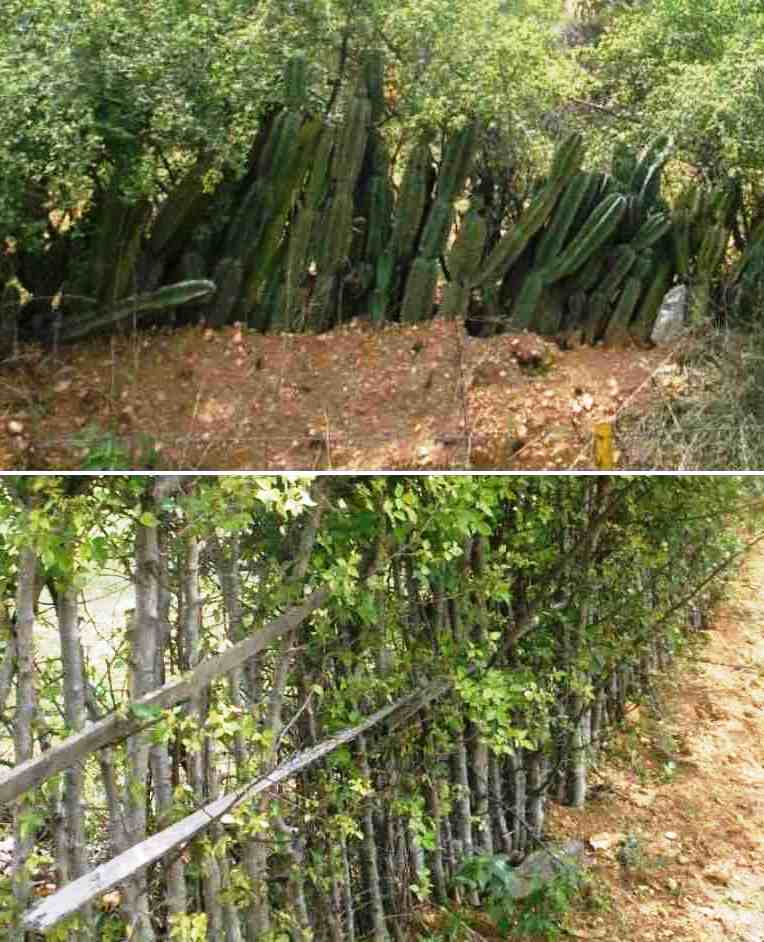
உயிர் வேலி அமைக்கும் முறை
A living fence is a system of fencing made of plants such as shrubs, herbs, small trees, etc. for protection of agriculture land or for protection around the house.
உயிர் வேலி என்பது சிறுசெடி, குற்றுச்செடி, மூலிகை செடி, சிறுமர வகைகள் முதலிய தாவரங்களை கொண்டு வேளாண்மைக்கோ அல்லது வீட்டை சுற்றி பாதுகாப்பிற்காக அமைக்கப்படும் வேலி முறையாகும்.
Benefits of living fencing
- Living fence provides additional income to the farmers than manufactured or dead fence
- It is not infected by termites and ants
- It supports biodiversity
- It provides fuel, green leaf manures, forage, food, fiber, shade, construction materials and medicine.
- It act as a natural wind break to protect the cultivated plants.
உயிர் வேலி நன்மைகள்
விவசாயிகளுக்கு உற்பத்தி செய்யப்பட்ட அல்லது இறந்த வேலியை விட உயிர் வேலி கூடுதல் வருமானத்தை வழங்குகிறது.

இது கரையான் மற்றும் எறும்புகளால் பாதிக்கப்படாது

இது பல்லுயிர் பெருக்கத்தை ஆதரிக்கிறது

இது எரிபொருள், பசுந்தாள் உரங்கள், தீவனம், உணவு, நார்ச்சத்து, நிழல், கட்டுமானப் பொருட்கள் மற்றும் மருந்து ஆகியவற்றை வழங்குகிறது.

பயிரிடப்பட்ட தாவரங்களைப் பாதுகாக்க இது இயற்கையான காற்று  தடுப்பானாக செயல்படுகிறது.
Plants used for fencing:
Hill mango (Commiphora caudata), Indian Coral tree (Erythrina Indica),White Gulmohar (Delonix regia (Hook.) Raf.), Dusky Fire Brand (Premna mollissima),Peacock Chaste Tree (Vitex negundo), Fence castor (Ricinus communis), Henna (Lawsonia inermis), Gliricidia (Gliricidia sepium), Vegetable hummingbird (Sesbania grandiflora), Spiral Cactus (Euphorbia tortilis), different types of cactus and Opuntia, etc.,
வேலி அமைக்க பயன்படும் தாவரங்கள்:
கிளுவை, முள்ளுமுருங்கை, வாதநாராயணன், முன்னை, நொச்சி, வேலி ஆமணக்கு, மருதாணி, சீமை அகத்தி, அகத்தி, தேர்கள்ளி, கொடிகள்ளி, திருகுகள்ளி.
Types of Live fencing
1. Hill mango or green commiphora fence (Commiphora caudata)
2. Herb Fence
3. Cactus Fencing
4. Fodder Fence
வகைகள்:
1. கிளுவை வேலி
2. மூலிகை வேலி
3. கள்ளி வேலி
4. தீவன வேலி
1. Method of Hill mango fencing
Choose healthy hill mango branches with 3-4 cm thickness from a two-year-old tree. Then fix the sticks to a height of 1.5 m. While cutting, the lower part should be inclined and the upper part should be level.
The sticks prepared in this way should be planted in 20 cm depth of 'V' shaped pits with 10 cm spacing and covered with soil. To prevent this fence from sagging, plant Portia (Thespesia populnea) or Indian ash tree (Lannea coromandelica) at a spacing of 5 meters from the starting place of fence.
The fence is strong by planting saplings like Indian ash tree and tying it well with long sticks. Roots develop and shoots appear 25 - 30 days after planting,
- கிளுவை வேலி அமைக்கும் முறை:
இரண்டு வருடமான கிளுவை மரதிலிருந்து 3-4 cm தடிமனுள்ள நீளமான நல்ல கிளைகளை தேர்வு செய்ய வேண்டும். பின்பு அந்த குச்சிகளை 1.5 m உயரம் இருக்குமாறு சரி செய்து, வெட்டும் பொழுது அடி பாகம் சாய்வாகவும் மேல்பாகம் மட்டமாகவும் இருக்க வேண்டும். இவ்வாறு தயார் செய்யப்பட்ட குச்சிகளை 20 cm ஆழம் கொண்ட ‘ V ‘ வடிவில் வெட்டப்பட்ட குழியில் 10 cm இடை வெளியில் நடவு செய்து மண் கொண்டு மூடிவிடவேண்டும்.
இந்த வேலி சயாமல் இருக்க ஆரமிக்கும் இடத்திலிருந்து 5 மீட்டருக்கு ஒரு இடத்தில் பூவரசு, ஒதியன் போன்ற துளிர்க்கும் மர போத்துகளை நட்டு வேலியின் இருபக்கமும் நீளமான கம்புகளை கொண்டு வடம்பிடித்து (வடம்பு) நன்கு கட்டுவதன் மூலம் வேலி பலமாக இருக்கும். நடவுசெய்த 25 – 30 நாளில் வேர்கள் உருவாகி தள்ளிர்கள் தோன்றும்.
2. Herb Fence
A method of fencing by combining several herbaceous plants. This method is often set up around the house. Indian Coral tree, White Gulmohar, Malabar nut (Adhatoda zeylanica), Peacock Chaste Tree, Fence castor, etc. plants should be planted in the same way as we planted hill mango before.
Plants like henna, Dusky Fire Brand, codyveli should be planted and grown as seedlings. By spreading herbs like Indian Borage (Coleus aromaticus),  winged treebine (Cissus quadrangularis), Redpea Egg plant (Solanum trilobatum),  Madras pea pumpkin (Mukia Maderaspatana) etc. on this fence, the fence becomes stronger and we also get the medicine what we need.
2. மூலிகை வேலி
பல மூலிகை தாவரங்களை ஒருங்கிணைத்து வேலி அமைக்கும் முறையாகும். இந்த முறை பெரும்பாலும் வீட்டை சுற்றிலும் அமைக்க படுகிறது. முள்ளுமுருங்கை, வாதநாராயணன், ஆடாதோடை, நொச்சி, வேலி ஆமணக்கு முதலிய தாவரங்களை முன் எவ்வாறு கிளுவை நட்டோமோ அதேபோல் நடவு செய்ய வேண்டும்.
மருதாணி, முன்னை, கொடிவேளி போன்ற தாவரங்களை பதியமிட்டு நாற்றாக வளர்த்து நடவு செய்ய வேண்டும். இந்த வேலியில் ஒமவள்ளி, பிரண்டை, தூதுவளை, முசுமுசுகை முதலிய மூலிகையினை படரவிடுவதன் மூலம் வேலி பலமாவதோடு நமக்கு தேவையான மருந்து பொருளும் கிடைக்கிறது.
3. Cactus Fencing
Select one of these plants like different types of cactus, Spiral Cactus and Opuntia. Cut it at a height of 50 cm. Prepare a 10 cm 'V' shaped pit and plant it on a pit. This type of fence method is mostly preferred in rainfed areas.
3. கள்ளி வேலி
தேர்கள்ளி, திருகுகள்ளி, கொடிகள்ளி, சப்பாத்திகள்ளி இவற்றில் ஏதாவது ஒரு கள்ளியை தேர்ந்தெடுத்து 50 cm உயரத்தில் வெட்டி எடுத்து வந்து 10 cm ‘V’ வடிவ குழி வெட்டி அதில் வைத்து நடவு செய்ய வேண்டும். இந்த கள்ளி உயிர்வேலி முறை பெரும்பாலும் மானாவாரி பகுதிகளில் பயன்படுத்துகிறார்கள்.
4. Fodder Fence
Cattle breeders for its protection, fodder fence is constructed with plants like Vegetable hummingbird, Subabul (Leucaena leucocephala), Gliricidia, Hedge Lucerne (Desmanthus virgatus).  Cut 3cm thick branches from the Gliricidia and fix it to a height of 1.5 meters. These sticks should be planted at 5 meter intervals. Plant one or two Subabul seeds in the middle of these two sticks and sow Vegetable hummingbird seeds closely spaced at 10 cm intervals in between and water them once in three days.
At 45 days after planting, after the Vegetable hummingbird and Subabul grow 1.5 meters, the fence is strengthened by tying it well with long sticks.
This fodder fence provides protection to the cropping area and also fulfills the fodder requirement of the cattle.
4. தீவன வேலி
கால்நடை வளப்பவர்கள் அதன் பாதுகாப்பிர்க்காகவும் அதன் உணவுத்தேவையை பூர்த்தி செய்யும் வகையில் அமைக்கப்படும் வேலி முறையாகும். அகத்தி, சூபாபுல், கிளைரிசிடியா, வேலிமசால் போன்ற தாவரங்களை கொண்டு இந்த வேலி அமைக்கப்படுகிறது.
அமைக்கும் முறை:
கிளைரிசிடியா மரத்திலிருந்து 3 cm தடிமனுள்ள கிளைகளை வெட்டி எடுத்து அதை 1.5 மீட்டர் உயரம் இருக்குமாறு சரிசெய்து கொள்ளவும் வெட்டும்பொழுது அடிபாகம் சாய்வாகவும் மேல்பக்கம் மட்டமாகவும் இருக்க வேண்டும். இந்த குச்சிகளை 5 மீட்டருக்கு ஒன்று என நடவு செய்ய வேண்டும். இந்த இரு குச்சிகளின் நடுவில் ஒன்று அல்லது இரண்டு சூபாபுல் விதைகளை நடவு செய்து இதற்கு இடைப்பட்ட பகுதிகளில் அகத்தி விதைகளை 10 cm இடைவெளியில் நெருக்கமாக விதைத்து மூன்று நாட்களுக்கு ஒருமுறை நீர் பாசனம் செய்யுங்கள். நட்ட 45 நாளில் அகத்தியும் சூபாபுல்லும் 1.5 மீட்டர் வளர்ச்சி அடைந்த பிறகு நீளமான குச்சிகளை வைத்து வடம்பு பிடித்து கட்டுவதன் மூலம் வேலி பலப்படும். இந்த தீவன வேலி குறுப்பிட்ட இடத்திற்கு பாதுகாப்பு தருவததோடு கால்நடைகளின் உணவுதேவையையு ம் பூர்த்தி செய்கிறது.
Generally fencing should be done in July-August month. If this is the case, the fence will survive with rainwater itself. Similarly, pruning of living fence should be done in this month.
பொதுவாக வேலி அமைப்பது ஜூலை-ஆகஸ்ட் மாதமாக இருக்க வேண்டும். இவ்வாறு இருந்தால் வேலியானது பேயும் மழை நீரை வைத்தே உயிர்பிடித்துக்கொள்ளும். அதே போல் இந்த மாதத்தில் தான் கவாத்து செய்ய வேண்டும்.
Happy Greening… Encourage Bio-diversity…
P. Saravanan, B.Voc. (Sustainable Farming & Enterprise Development), Madurai Kamaraj University, 7904039822

 SAAI Academy
Nice information
LikeLike