
National Testing Agency (NTA) had rescheduled the examination dates for UGC-NET December 2020 and June 2021 cycles and the revised dates of examination were announced from 17 October to 25 October 2021.
With Regards,
P. Dheivanai, 9382132593

National Testing Agency (NTA) had rescheduled the examination dates for UGC-NET December 2020 and June 2021 cycles and the revised dates of examination were announced from 17 October to 25 October 2021.
With Regards,
P. Dheivanai, 9382132593

Applications are invited only through online mode
Last date for online application: 05.00 P.M on 17.10.2021
No. of Vacancies: 2207
For more details: visit : http://trb.tn.nic.in/
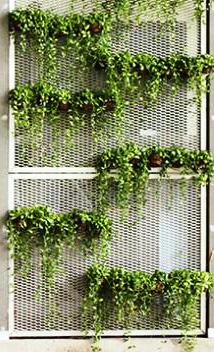
சுழன்றும்ஏர்ப் பின்னது உலகம் அதனால் உழந்தும் உழவே தலை. குறள் விளக்கம்: உலகத்தவர் பிற தொழில்களைச் செய்து திரிந்தாலும், முடிவில் உணவின் பொருட்டு உழவரையே எதிர்பார்பர்; ஆகையால், எவ்வளவுதான் துன்பம் அடைந்தாலும் உழவே தலையாய தொழில். Even if the world turns to other occupations, in the end it will expect the farmer for the sake of food; Therefore, plowing is the main occupation no matter how much one suffers. இந்த குரலின் அடிப்படையில் நாம் அனைவரும் விவசாயிகளாக மாற வேண்டிய சூழலில் உள்ளோம். Based on this voice we are all in a situation where we have to become farmers. நகரமயமாக்கப்பட்ட பகுதிகளில் விவசாய நிலங்கள் அழிக்கப்பட்டு குடியிருப்பு பகுதிகளாகவும், தொழிற்சாலைகளாகவும் மாற்றப்பட்டுவருகிறது. Agricultural lands in urbanized areas are being cleared and converted into residential areas and industries. விளைவு : பருவநிலை மாற்றம், காற்றில் கார்பன் டை ஆக்சைடு போன்ற பசுமை குடில் வாயுக்கள் அதிகரித்தல், துருவ பகுதில் உள்ள பனிக்கட்டிகள் உருகுதல், வெள்ளம், கடுமையான வறட்சி, புதிய வகை பூச்சிகள் மற்றும் நோய்கள் மனிதர்கள், கால்நடைகள், மற்றும் பயிர்களை தாக்குதல். Effect: Climate change, increase in greenhouse gases such as carbon dioxide in the air, melting of polar ice caps, flooding, severe drought, new types of pests and diseases attacking humans, livestock, and crops. மற்றொருபுறம் விளைநிலங்கள் குறைந்து வருவதால், குறைவான நிலத்தில் பயிர் செய்து அதிக மகசூல் பெற வேண்டிய நிலை. எனவே, விளைச்சலை அதிகரிக்க, அதிக மகசூல் தரும் கரிம உரங்களை பயன்படுத்துவதாலும், அதிகரித்து வரும் பூச்சிகளை கட்டுப்படுத்த பூச்சிக்கொல்லிகள் மற்றும் நோய்க்கொல்லி மருந்துகளை பயன்படுத்துவதால் உணவே விஷமாகும் நிலை ஏற்பட்டு உள்ளது. Due to declining arable lands on the other hand, the condition of having less land to cultivate and get higher yield. Therefore, food poisoning is caused by the use of high yielding inorganic fertilizers to increase yields and pesticides to control the growing pests. உலகிலேயே புனிதமான தாய்ப்பாலில் DDT போன்ற விஷம் கலந்து உள்ளது நிரூபணம் ஆனது மிகவும் வேதனைகுரியது. The proof that there is a poison like DDT in the sacred breast milk in the world became very painful. மேலும் அதிகரித்து வரும் தொற்றா நோய்களான ரத்த அழுத்தம், சர்க்கரை, மூட்டுவலி போன்ற நோய்கள் நம் முன்னோர்களுக்கு இருந்தது இல்லை, ஆனால் நாம் அவதியுறுகிறோம். டயாலிசிஸ் நம் முன்னோர்களின் வாழ்வில் இல்லை. Also increasing non infectious diseases such as high blood pressure, diabetes and arthritis are not what our ancestors had, but we suffer. Dialysis was not in the lives of our ancestors உலகமே பயந்து ஸ்தம்பித்த கொரன என்ற பேர்அரக்கன் நமக்கு கொடுத்த படிப்பினை, நோய் எதிர்ப்பாற்றல் இல்லாமை Lesson from Covid - 19 - Most of us lacks immunity power. நம்மில் பலருக்கு நோய் எதிர்ப்பாற்றல் இல்லாமை மற்றும் ரத்த சோகை உண்டு. காரணம், நம் பாரம்பரிய உணவு பழக்கத்தினை மறந்து விட்டது. Many of us have less immunity and anemia. The reason is that our traditional eating habits and siddha medicines have been forgotten. பல மருத்துவ மூலிகைகள் நம்மில் இருந்து விடைபெற்று விட்டது வேதனையானது.இந்த நிலை நம்மை “நம் உணவு நம் உரிமை” என்ற நிலையினை நோக்கி தள்ளியுள்ளது. We said Goodbye to many medicinal herbs - this situation is so painful.. This condition force us towards, “Our food is our right”. இருப்பினும் நகர்ப்புறங்களில் இடப்பற்றாக்குறை, “நம் உணவு நம் உரிமை” க்கு தடையாக உள்ளது. ஆகவே இருக்கும் சிறிய இடத்தை முறையாக பயன்படுத்தி நமக்கு தேவையான காய்கறிகளையும், மறந்து போன மருத்துவ பயிர்களையும் வளர்க்க இந்த செங்குத்து தோட்டம்‘ உதவுகிறது. However, the lack of space in urban areas is an obstacle to "our right to our food". Hence, the proper allocation of the small space available in the household level to grow vegetables and medicinal crops will be possible by "vertical gardening". It helps to grow forgotten medicinal crops as well. நகர்ப்புறங்களில் தாவரங்களின் பற்றாக்குறை விளைவாக, மனிதர்களின் உடல் மற்றும் வாழ்க்கைத் தரத்தை நேரடியாக பாதிக்கிறது. உட்புறங்களிலும் குறிப்பாக கட்டிடங்களின் வெளிப்புறத்திலும் செங்குத்து தோட்டங்களின் கட்டுமானம் பரிந்துரைக்கப்படுகிறது. As a result of the shortage of plants in urban areas, It directly affects the physical and quality of life of human beings. Construction of vertical gardens is recommended indoors and especially on the exterior of buildings. செங்குத்து தோட்டத்தில் வளர சிறந்த காய்கறி செடிகள்:The best vegetable plants to grow in a vertical garden தக்காளி. Tomato வெங்காயம்.Onion மிளகு Pepper பீன்ஸ். Beans பட்டாணி Peas வெள்ளரி Cucumber முலாம்பழம் Muskmelon முள்ளங்கி,Radish etc., செங்குத்து தோட்டங்களுக்கான மூலிகைகள்:Recommended Herbs for Vertical Gardens: துளசி.Basil கொத்தமல்லி.Coriander வெந்தயம் Fenugreek லாவெண்டர் Lavender புதினா.Mint செங்குத்து தோட்டக்கலை நன்மைகள் அதிக மகசூல். இடத்தை அதிகபட்சமாகப் பயன்படுத்துவது பராமரித்தல் மற்றும் அறுவடை செய்வது எளிதானது காற்றில் இருந்து மாசுபடுத்திகள் மற்றும் கார்பன் டை ஆக்சைடை வடிகட்டுவதன் மூலம் கட்டிடத்தின் கார்பன் தடம் குறைக்க செங்குத்து தோட்டங்கள் உதவுகின்றன போக்குவரத்து நெரிசலை போக்க பெரிய நகரங்களில் மேம்பாலங்கள் அமைக்கப்பட்டு உள்ளது. இந்த மேம்பாலங்களை தங்கும் தூண்களில் வெர்டிகள் கார்டன் அமைப்பதன் மூலம் வாகனத்தில் இருந்து வெளிவரும் புகைகள் உறிஞ்சப்பட்டு தூய்மையான காற்று கிடைக்கும் Advantages of vertical gardening High yield. Maximum utilization of space Easy to maintain and harvest Vertical gardens help to reduce the carbon footprint of the building by filtering pollutants and carbon dioxide from the air. Overpasses have been set up in major cities to ease traffic congestion. The Verdi Garden will be set up on the pillars of these flyovers to absorb the fumes from the vehicle and provide clean air.
ப. தெய்வானை, முதுநிலை விவசாயம், (P. Dheivanai, M.Sc. (Ag.)) 9382132593
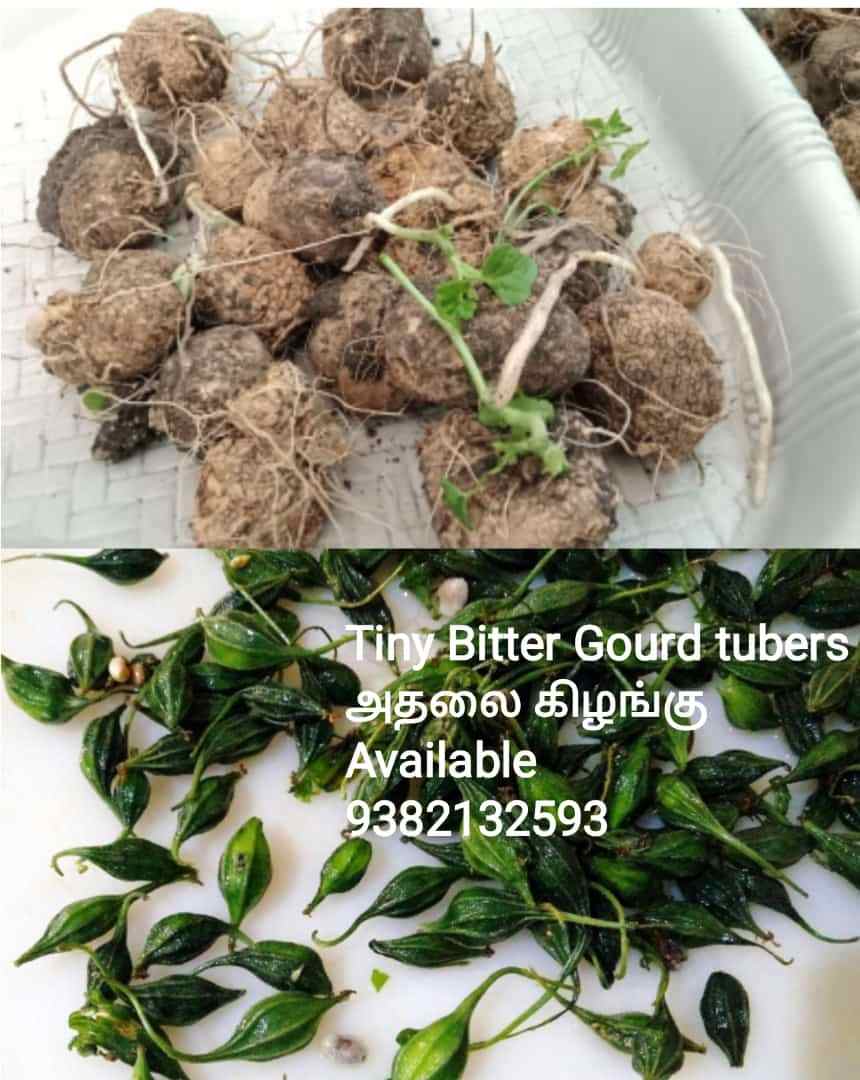
Momordica cymbalaria / Momordica tuberosa / Luffa tuberosa – Scientific name of the plants
Commonly found in the Indian states of Andhra Pradesh, Karnataka, Madhya Pradesh, Maharastra and Tamil Nadu as rain-fed crop. It looks similar to the small bitter gourd, but both are different. Tiny Bitter Gourd is known for its health benefits. Good food (herb) to avoid Diabetics and blood pressure issues.
பொதுவாக இந்திய மாநிலங்களான ஆந்திரா, கர்நாடகா, மத்தியப் பிரதேசம், மகாராஷ்டிரா மற்றும் தமிழ்நாடு ஆகிய மாநிலங்களில் மழை சார்ந்த பயிராகக் காணப்படுகிறது. இது சிறிய கசப்பான பாகற்காய் போன்றது, ஆனால் இரண்டும் வேறுபட்டவை. கசப்பு மற்றும் அதன் ஆரோக்கிய நன்மைகளுக்கு பெயர் பெற்றது. நீரிழிவு மற்றும் இரத்த அழுத்த பிரச்சினைகளைத் தவிர்க்க நல்ல உணவு (மூலிகை).
Perennial annual plant. On season (Rainy season) will grow fast and produce fruits (Edible part of the plants). This plant is basically climber and spread across the ground. If it get any support, will grow in upright position also.
பல வருடங்கள் வாழும் பயிர். பருவத்தில் (மழைக்காலம்) வேகமாக வளர்ந்து பழங்களை உற்பத்தி செய்யும் (தாவரத்தின் உண்ணக்கூடிய பகுதி). தரையின் மேல் படர்ந்து வளரும் பயிர். துணை இருப்பின் பற்றி வளரும்.
Only propagated through tubers. Size of the tubers depends on it’s age. Tubers will live up to 17 – 20 years. Small tubers life span will be high when compared to large size tubers.
கிழங்குகளால் மட்டுமே பயிரிட முடியும். கிழங்குகளின் அளவு அதன் வயதைப் பொறுத்தது. கிழங்குகள் 17 - 20 ஆண்டுகள் வரை வாழும். பெரிய கிழங்குகளுடன் ஒப்பிடும்போது சிறிய கிழங்குகளின் ஆயுட்காலம் அதிகமாக இருக்கும்.
Suitable for dry land farming. It can be grown in Grow bags also in terrace garden. Black soil mixed with sand suitable for its growth. Cocopeat (2 part): Vermicompost / Farm yard manure / compost (2 part): Red soil / black soil (1 part): Neem cake powder (0.25 part) can be used as media to grow in terrace garden. Tubers will be placed in the holes according to the size of tubers and cover it with pot mix smoothly. Fill the pot mix by 3/4 portion of grow bags size of 24*24*40 cm and place 2 – 3 tubers in equal distance. No need to go for tuber treatment. Sprinkle the water. Being a dry land crop, which not requires much water.
வறல் நில விவசாயத்திற்கு ஏற்றது. இதை மாடி தோட்டத்தில் வளர் பைகளிலும் வளர்க்கலாம். அதன் வளர்ச்சிக்கு ஏற்ற மண் மணல் கலந்த கருப்பு மண். கோகோபீட் (2 பகுதி): மண்புழு உரம் / தொழுஉரம் (2 பகுதி): சிவப்பு மண் / கருப்பு மண் (1 பகுதி): வேப்பம் பிண்ணாக்கு (0.25 பகுதி) மாடித் தோட்டத்தில் வளர்க்க ஊடகமாகப் பயன்படுத்தலாம். கிழங்குகளின் அளவுக்கேற்ப சமமான குழிகளில் வைத்து மண் கலவையால் சீராக மூட வேண்டும். 24*24*40 செமீ அளவுள்ள வளர்ப்புப் பைகளின் 3/4 பகுதியால் மண் கலவையை நிரப்பி, 2 - 3 கிழங்குகளை சம இடைவெளியில் நடவும்.கிழங்குகளை விதை நேர்த்தி செய்ய வேண்டியது இல்லை தண்ணீர் தெளிக்கவும். வறண்ட நிலப் பயிராக இருப்பதால் அதிக தண்ணீர் தேவையில்லை.
In field, tubers can be planted in the raised beds/ ridges with the distance of 3 * 3 feet or 1 metre distance. Irrigate it when soil gets dry.
வயலில், கிழங்குகளை உயர்த்தப்பட்ட படுக்கைகள்/ முகடுகளில் 3 * 3 அடி தூரம் அல்லது 1 மீட்டர் தூரம் இடைவெளியில் நடலாம். மண் காய்ந்ததும் நீர்ப்பாசனம் செய்யுங்கள்.
Few tubers will produce leaves with mosaic symptoms. Don’t worry, apply vermicompost and home based organic fertilizers. It will recover. Refer: https://saaiacademy.in/2020/09/27/organic-health-drinks-nutrients-for-plants-from-kitchen-and-house-wastes/
சில கிழங்குகளில் இருந்து மஞ்சள் நிற அல்லது பச்சை மஞ்சள் கலந்த அறிகுறிகளுடன் இலைகள் உருவாகும். கவலைப்பட வேண்டாம், மண்புழு உரம் மற்றும் வீட்டு கரிம உரங்களைப் பயன்படுத்துங்கள். அது மீண்டு வரும்.மேலும் விபரங்களுக்கு : https://saaiacademy.in/2020/09/27/organic-health-drinks-nutrients-for-plants-from-kitchen-and-house-wastes/
Harvesting: Harvest from 4 – 5 tubers/ plants is enough for small families. Normally, expect good harvest from June to January (J J plants). It will bear fruits during lean season also when the plants maintained well. Tubers will start flowering within 30 – 45 days. Harvesting would be started after 60 days.
அறுவடை: சிறிய குடும்பங்களுக்கு 4 - 5 செடிகளில் இருந்து கிடைக்கும் அறுவடை போதுமானது. பொதுவாக, ஜூன் முதல் ஜனவரி வரை (ஜே ஜே செடிகள்) நல்ல அறுவடையை எதிர்பார்க்கலாம். தாவரங்கள் நன்கு பராமரிக்கப்படும் போது அது மற்ற காலத்திலும் பழங்களைத் தரும். கிழங்குகள் 30-45 நாட்களுக்குள் பூக்க ஆரம்பிக்கும். அறுவடை 60 நாட்களுக்குப் பிறகு தொடங்கும்.
Storage of tubers: Tubers live in field condition. Can not store the tubers as such in room for more than 3-5 days. Store the tubers under the pot mix (Cocopeat (2 parts): Vermicompost (2 parts): Soil (1 part): Neem Cake Powder (One handful)) by planting it closely. Wash the tubers and plant it if the tubers get fungal growth. Sometimes, tubers will get soften because of harvesting and transportation shock. Never waste those kind of tubers. Just coat the tubers with normal soil and shade dry it and plant.
கிழங்குகளின் சேமிப்பு: கிழங்குகள் வயல்வெளிகளில் வளர்கின்றன. கிழங்குகளை 3-5 நாட்களுக்கு மேல் அறை வெப்பநிலையில் சேமிக்க முடியாது. மண்கலவையின் கீழ் கிழங்குகளை சேமித்து வைக்கவும் (கோகோபீட் (2 பாகங்கள்): மண்புழு உரம் (2 பாகங்கள்): மண் (1 பகுதி): வேப்பம்கொட்டை பவுடர் (ஒரு கைப்பிடி)- நெருக்கமாக நடவு செய்தல். கிழங்குகளுக்கு பூஞ்சை வளர்ச்சி இருந்தால் கிழங்கைக் கழுவி நடவு செய்யுங்கள். சில நேரங்களில், அறுவடை மற்றும் போக்குவரத்து அதிர்ச்சி காரணமாக கிழங்குகள் மென்மையாகிவிடும் / குலைவு நிலையில் இருக்கும். அத்தகைய கிழங்குகளை ஒருபோதும் வீணாக்காதீர்கள். கிழங்குகளை சாதாரண மண் பூசி நிழலில் உலர்த்தி நடவு செய்யுங்கள்.
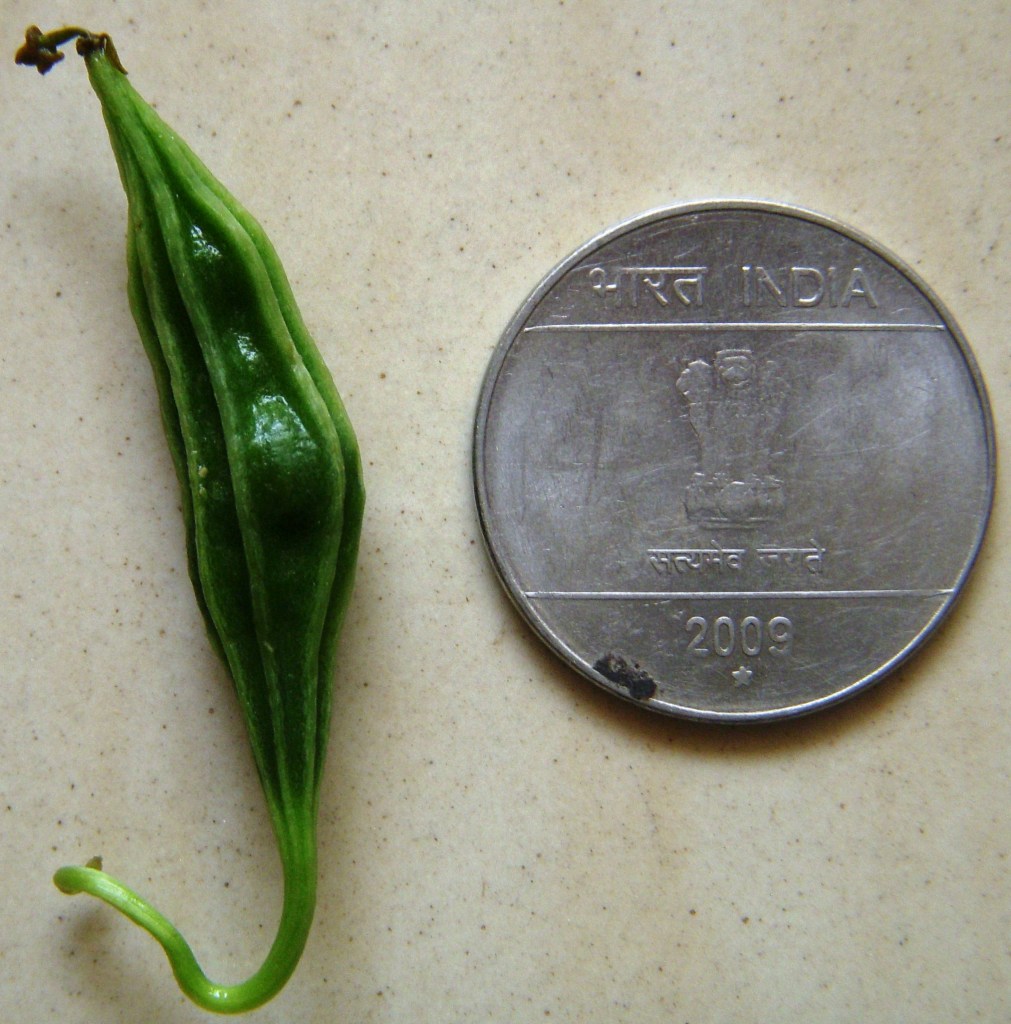
Storage of fruits: Up to 3 days in room temperature and maximum of 7 days under refrigeration. Otherwise fruits will split up as such.
அதலை காய்களின் சேமிப்பு: அறை வெப்பநிலையில் 3 நாட்கள் மற்றும் அதிகபட்சம் 7 நாட்கள் குளிர்சாதன பெட்டியில் இருக்கும். இல்லையெனில் காய்கள் உடைந்து விடும.
Content:
Dr.M.Murugan
Assistant Professor
Department of Botany
Sri Kaliswari college (Autonomous)
Sivakasi, Virudhunagar District, Tamil Nadu-626130
Write up: P. Dheivanai, M. Sc. (Ag.), 9382132593

NTA UGC NET Dates of Examination: 06th October to 11th October 2021
NTA UGC NET has been reopened the registration portal for the NET aspirants who didn’t apply earlier. Last date to apply for the exam is 10th August 2021 to 05th September, 2021 (up to 11:50
pm). Aspirants can register for the exam in the following official web links: https://ugcnet.nta.nic.in/, http://www.nta.ac.in/.
More Details for Exam Registration:
More details on age relaxation for JRF:
Paper 1 : Whatsapp assistance: https://chat.whatsapp.com/GTrPbe3CV8T0WJxFtePLAo
NTA UGC NET Classes Contact: SAAI Studies, 9382132593

காகித பேனாவுடன் விதை – பிளாஷ்டிக் குறைவு – சுற்றுசூழல் மேம்பாடு
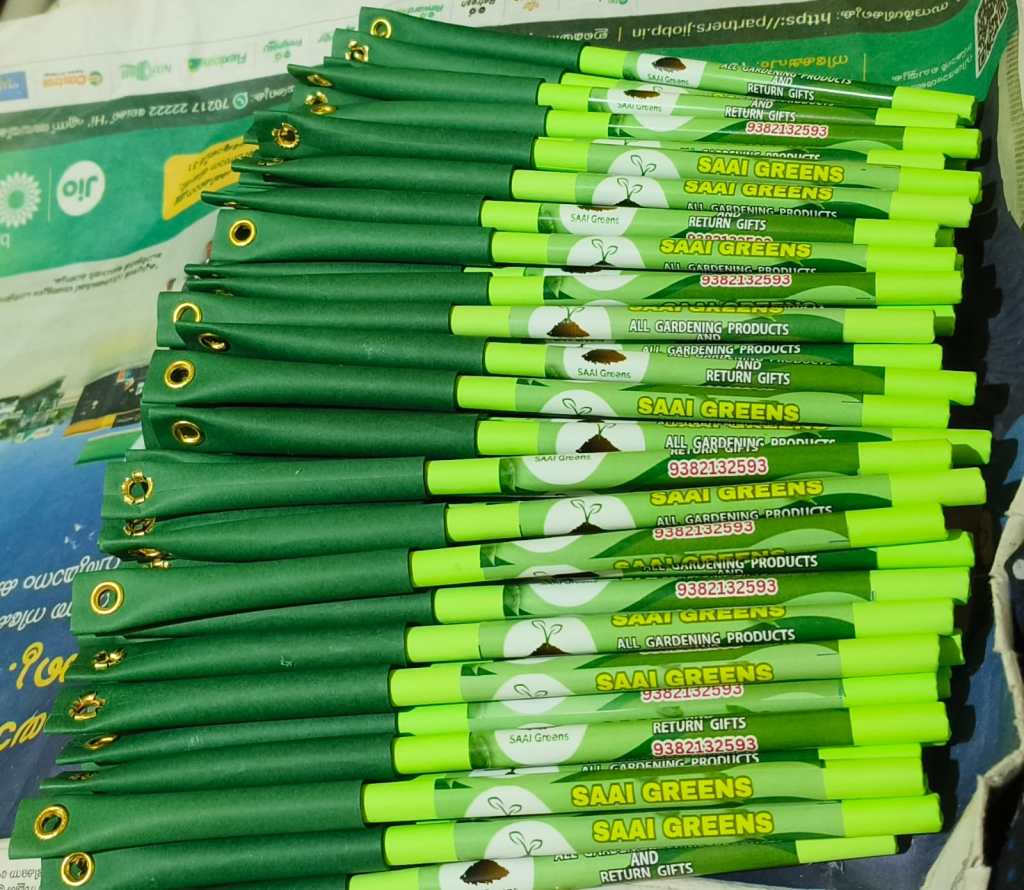
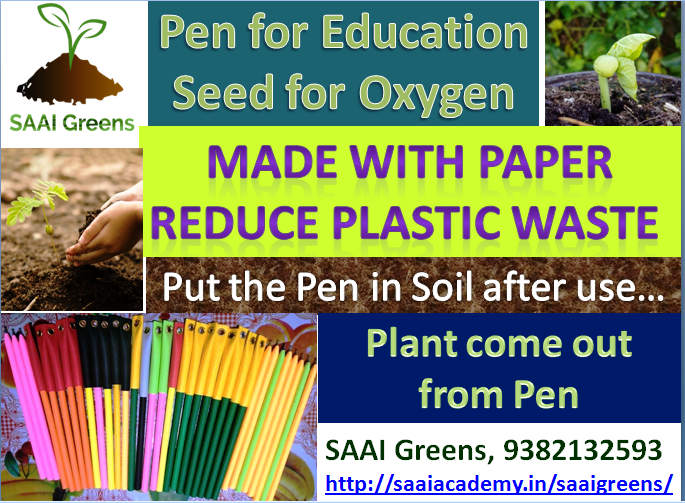
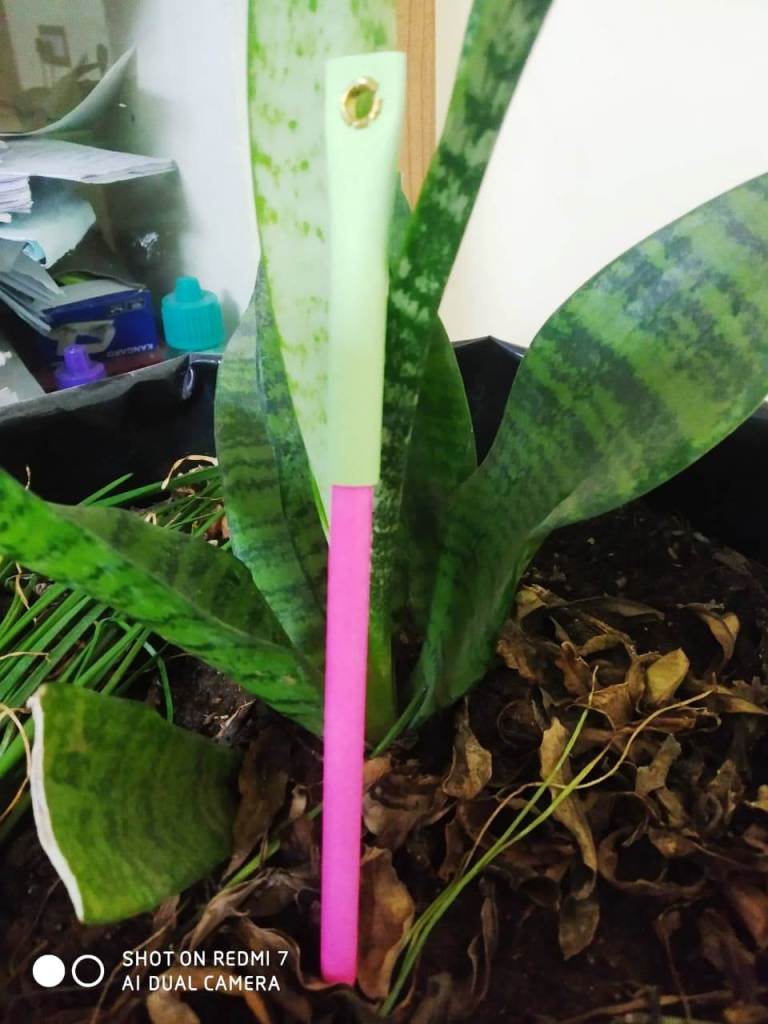
Seeds enclosed with the bottom of paper pens.. Just throughout the pens after it’s usage in the soil… Sprinkle the water regularly… Observe the magic.. New sprouts / plants will emerge from your waste pen within 10 days… Enjoy Greening…. Maximize Oxygen Supply and Minimize Plastic waste ….
Pen with Multiple usage….
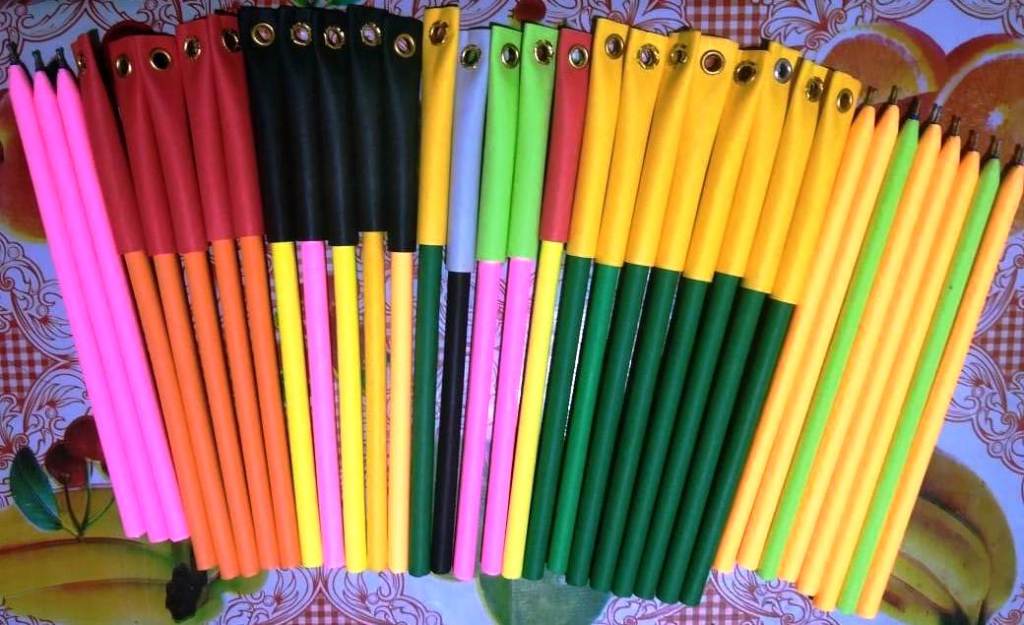
விதைகள் காகித பேனாக்களின் அடிப்பகுதியுடன் இணைக்கப்பட்டுள்ளது... பயன்படுத்திய பின் மண்ணில் பேனாவினை போட்டு நீர் விடவும் ... அதிசயத்தை கவனியுங்கள் .. உங்கள் கழிவு பேனாவில் இருந்து 10 நாட்களுக்குள் புதிய செடிகள் வெளிவரும் ... ஆக்ஸிஜன் விநியோகத்தை அதிகரிக்கவும் ... பிளாஸ்டிக் கழிவுகளை குறைக்கவும் .... பேனாவை உரமாக்க முடியும் (1/5 பகுதி தவிர - மாற்று இல்லை).. சுற்றுச்சூழல் நட்பு அம்சம் .... பசுமை மேம்பாட்டுக்கு குழந்தைகளை ஊக்குவிக்கும் ..
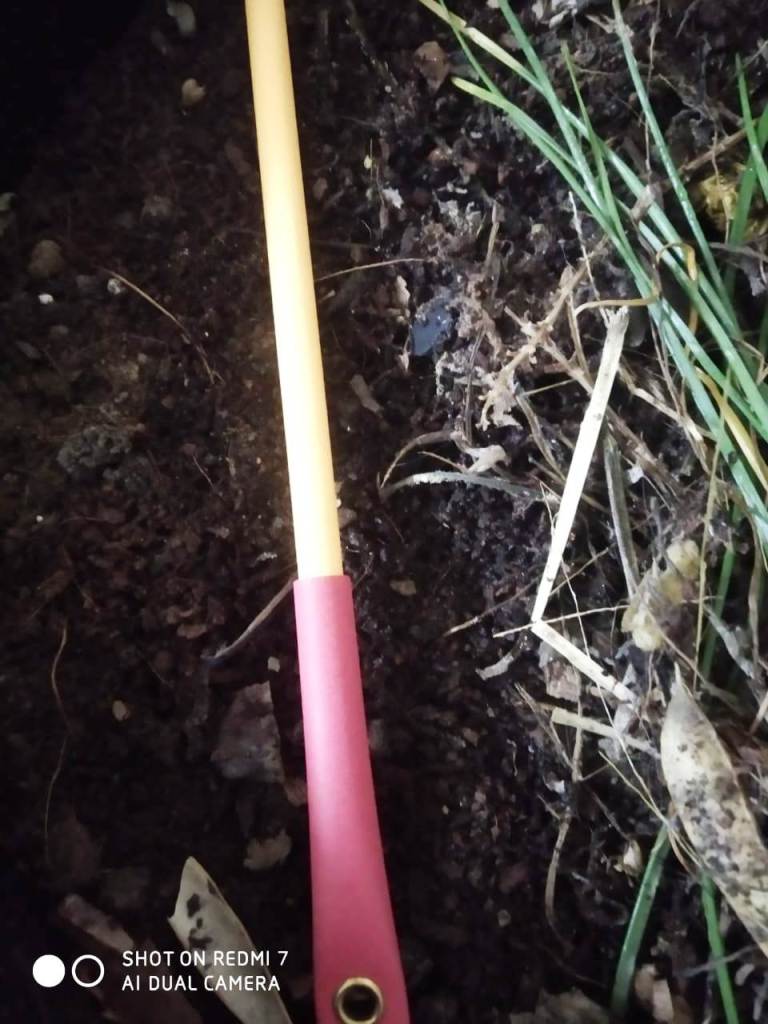
After usage of pen, keep the pen either in vertical or horizontal position in soil as shown in the picture below and firmly cover it with soil or pot mix. Sprinkle the water regularly… Paper will dissolve and seeds will come out. Observe the plant growth after 10-15 days.
பேனாவைப் பயன்படுத்திய பிறகு, கீழே உள்ள படத்தில் காட்டப்பட்டுள்ளபடி மண்ணில் செங்குத்து அல்லது கிடைமட்ட நிலையில் பேனாவை வைத்து மண் அல்லது பானை கலவையால் மூடி வைக்கவும். தொடர்ந்து தண்ணீர் தெளிக்கவும் ... காகிதம் கரைந்து விதைகள் வெளியே வரும். 10-15 நாட்களுக்குப் பிறகு தாவர வளர்ச்சியைக் கவனியுங்கள்.
Happy Learning and Happy Greening…..
SAAI Greens, 9382132593
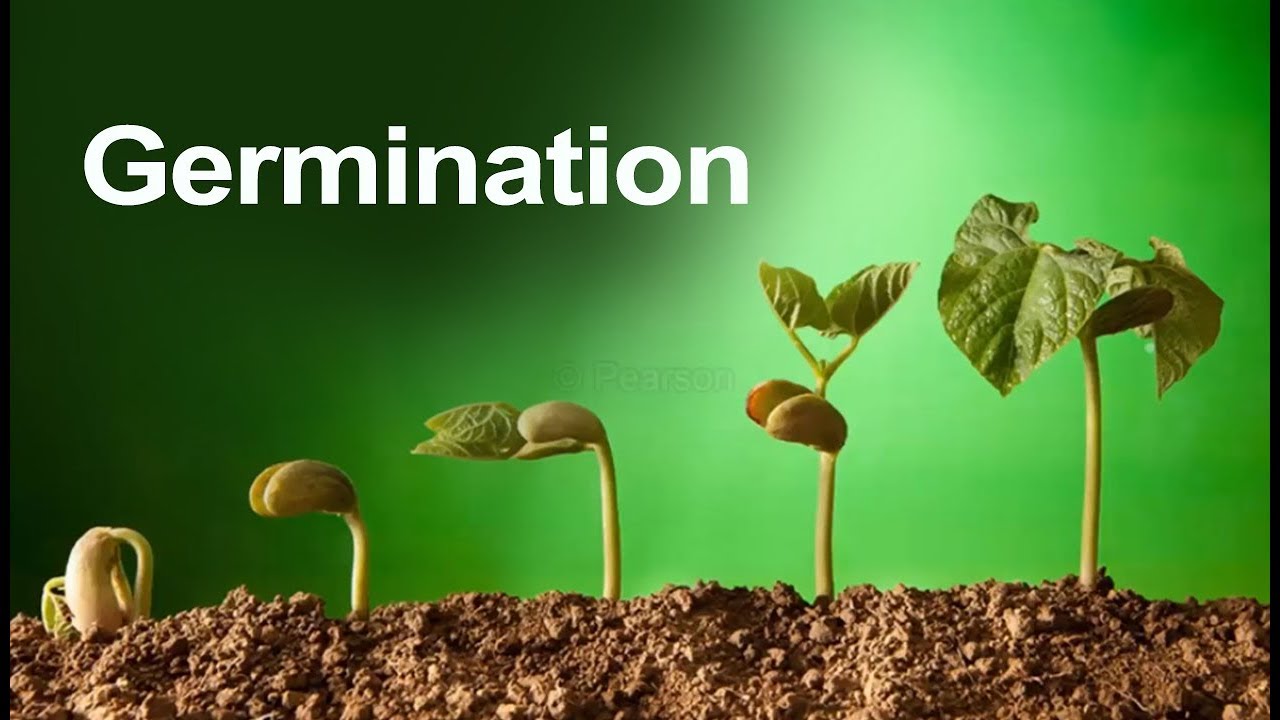
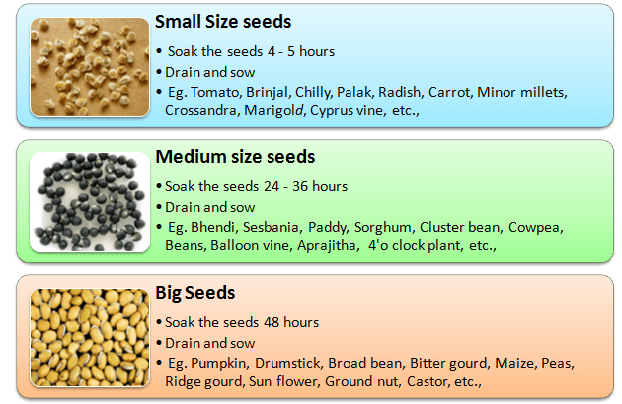

விதைக்கும் ஆழம் விதைகளின் அளவைப் பொறுத்தது.விதைகளின் அளவிற்கு சமமான அளவு நடவு பகுதியில் ஒரு துளை செய்யுங்கள். விதைகளை கிடைமட்டமாக வைக்கவும் (பெரிய அளவு விதை), அதை மென்மையாக மூடி வைக்கவும். விதைக்கப்பட்ட பகுதியில் அழுத்தம் கொடுப்பதைத் தவிர்க்கவும்.விதைத்த பிறகு தண்ணீர் தெளிக்கவும். கீரை விதைகளை (நுண்ணிய விதைகள்) விதைக்கும் பகுதியில் தொளித்து விடவும்.
விதைப்பதற்கு எப்போதும் அதிகாலை அல்லது மாலையை தேர்வு செய்யவும். நிழலான பகுதியில் நாற்றங்கால் படுக்கையை தேர்வு செய்யவும். விதை முளைப்பதில் மண் கலவை அல்லது ஆரோக்கியமான மண் முக்கிய பங்கு வகிக்கிறது. 1:1:1:0.25 விகிதம் தோட்ட மண்: மண்புழு உரம்: கோகோபீட்: வேப்பம் பிண்ணாக்கு தூள் விதை முளைப்பதை மேம்படுத்துகிறது. கோகோபீட் தூளை பயன்படுத்துவதற்கு முன் 2-3 முறை கழுவ வேண்டும்.
விதை விதைத்த பிறகு, தடிமனான பாலித்தீன் தாள் அல்லது வேறு ஏதேனும் தாவரப் பொருட்களைக் (நோய் அல்லது பூச்சித் தொற்று இல்லாமல்) கொண்டு மூடாக்கு இடுவது விதை முளைக்கும் சதவீதத்தை அதிகரிக்கிறது.
For more details:
P. Dheivanai, M. Sc. (Ag.), SAAI Greens, 9382132593
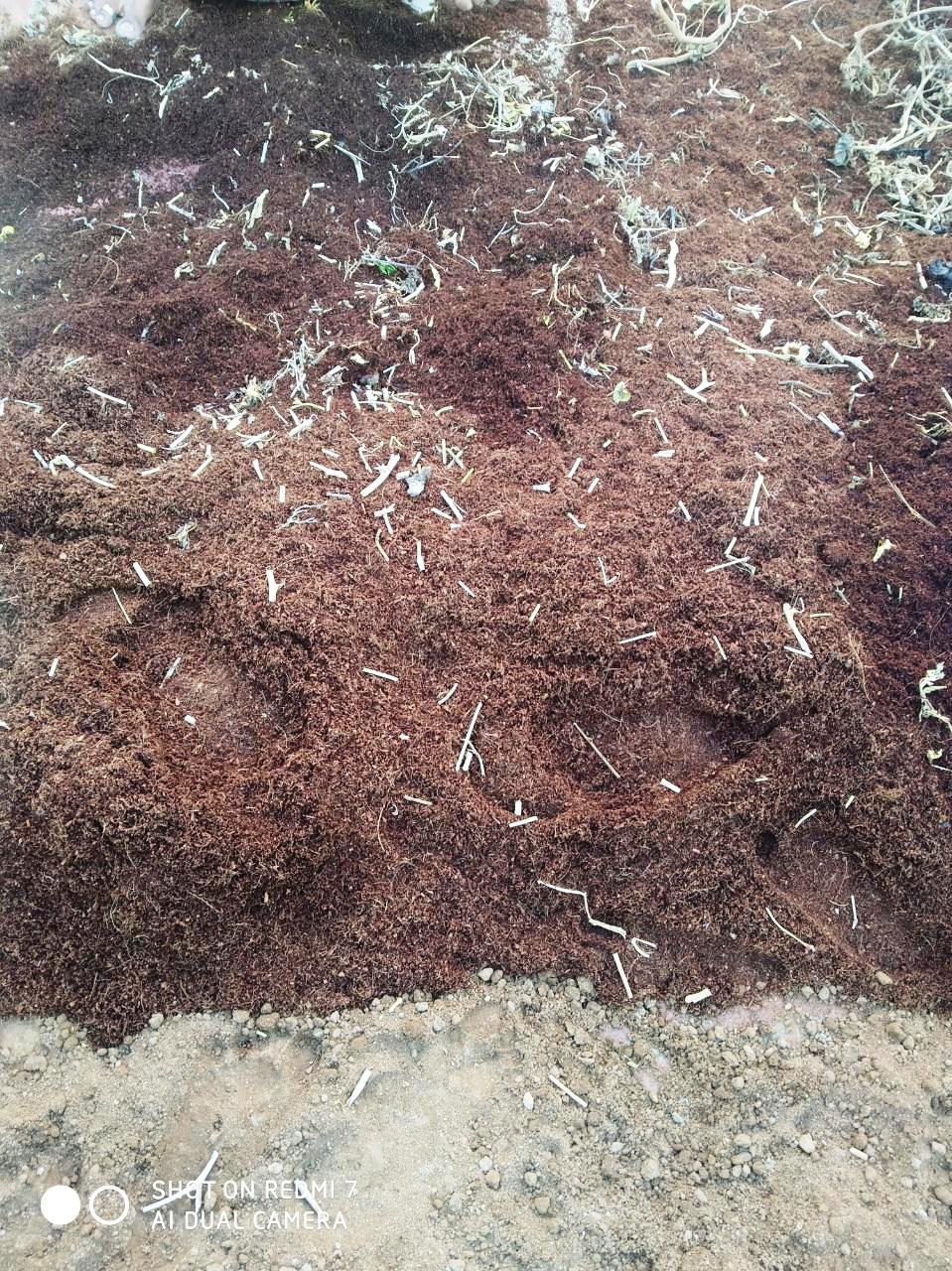
பழைய மண் கலவையை மீண்டும் பயன்படுத்த எளிதான வழி - பயன்படுத்தப்பட்ட பானை கலவையை ஒருபோதும் வீணாக்காதீர்கள் - அதை புதுப்பிக்கவும்
Do you practicing / practiced Terrace Garden / Kitchen Garden? Then, this article will be useful for you to revive your used pot mix.
Five steps to revive your used pot mix
நீங்கள் பயன்படுத்திய மண் கலவையை புதுப்பிக்க ஐந்து படிநிலைகள்
1. மண் கலவை சரிசெய்யும் ஒரு நாள் முன்பு மண் கலவை உள்ள பை/ பானையில் நீர் விட்டு வைக்க வேண்டும்
2. மறுநாள் மண் கலவை சுலபமாக வெளியில் எடுக்கலாம். பின்பு மண் கலவையில் உள்ள கட்டிகளை உடைத்து விட வேண்டும்
3. நன்கு சூர்ய ஒளியில் மண் கலவை மற்றும் பை / பானையினை ஒரு நாள் காயவைக்க வேண்டும்.
4 வீட்டு சமையல் கழிவுகள், மண் புழு உரம், வேப்பாம்புண்ணாக்கு, இலை, மக்கிய மாட்டு சாணம், மற்றும் உயிர் உரங்கள் கலக்க வேண்டும். தேவை இருப்பின் தென்னை நார் கழிவும் கலக்க வேண்டும்.
5. தங்கள் உயிர் ஊட்டப்பட்ட மண் கலவை தயார். முன்பு போல் பை / பானையில் நிரப்பி பயிரிடலாம்
For more details:
P. DHEIVANAI, SAAI Greens, 9382132593
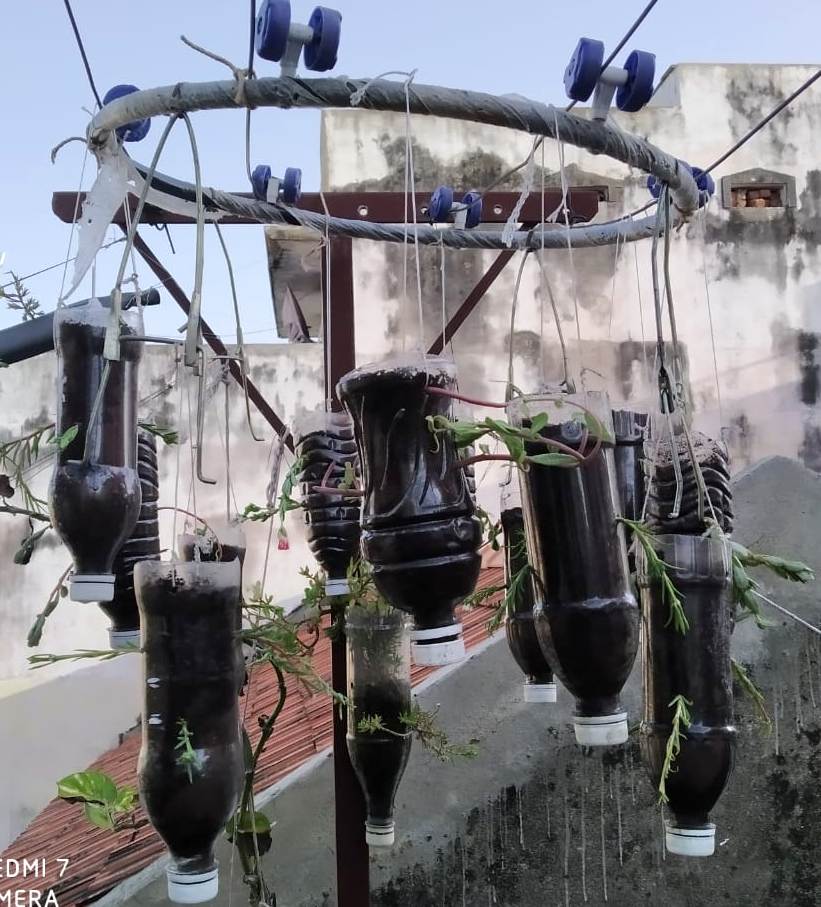
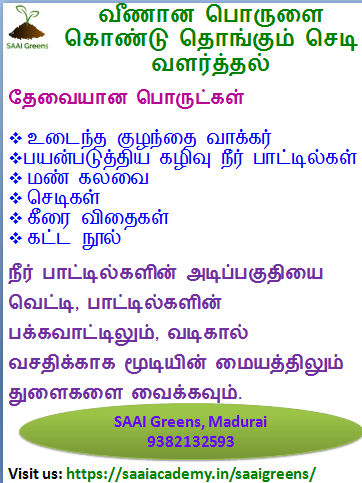
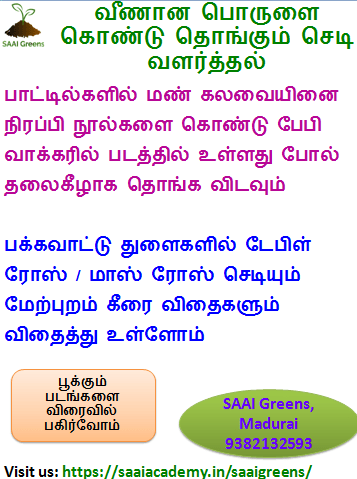
Cut down the bottom of water bottles and put holes in the side of bottles as well as in the centre of cap for drainage purpose.
Fill the bottles with pot mix (https://saaiacademy.in/2020/09/17/pot-mixture-composition-for-vegetables-flowers-and-greens-2/) and tied thread to hang the bottles. We set up upside down, i.e. cap placed as bottom.
We planted portulaca and purslane in the side holes of the bottles and sown green leave seeds in the top of hangers. Our plant hangers are ready now and sprinkled the water.
Will share the pictures with full bloom soon…
Happy Greening….
P. Dheivanai, 9382132593, SAAI Greens

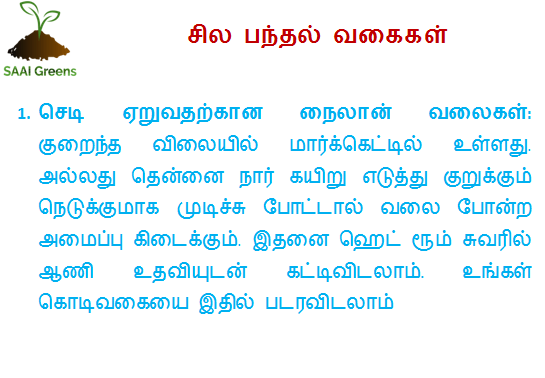
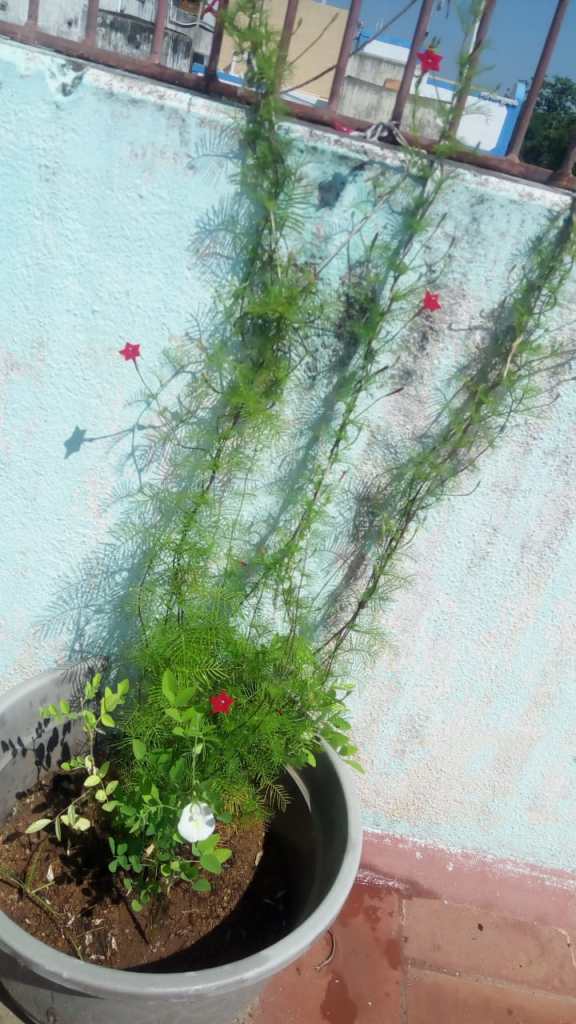
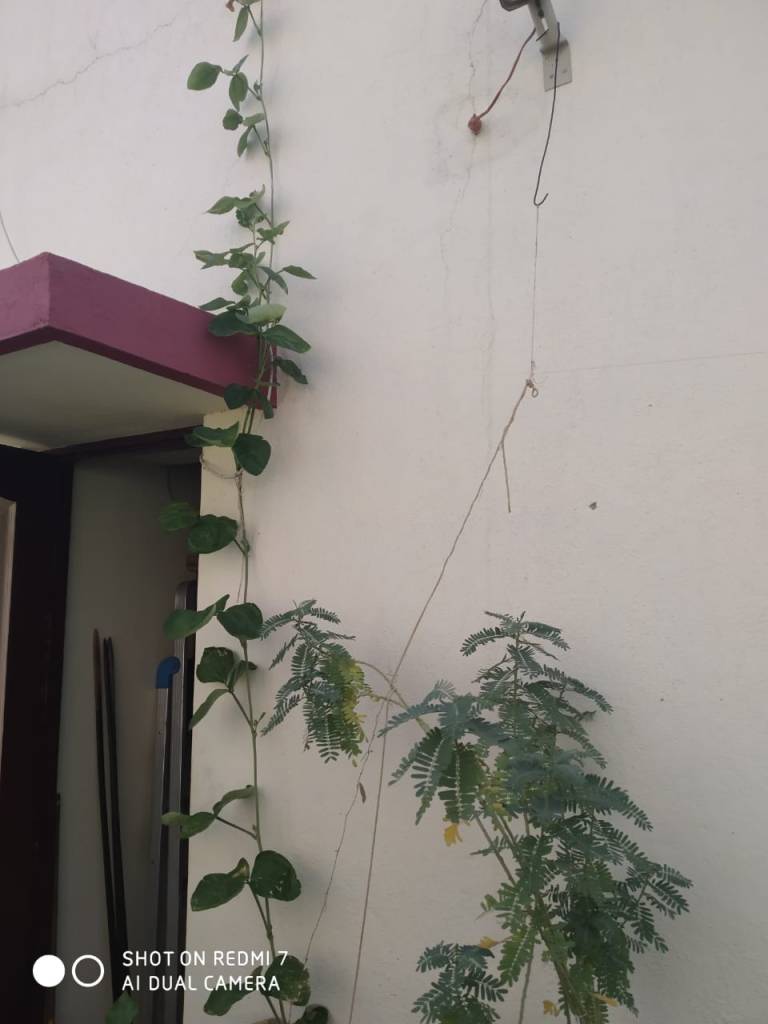
Terrace Gardening is the most wanted component in human life after Covid – 19 pandemic. This provides relaxation and healthy, organic vegetables for our day to day life. Few vegetables like gourds and flowers requires trellis / pandal for it’s vegetative growth. Establishment of easy, portable trellis for all gourds, other creepers and climbers are enlisted in this article. These structures can be detached after the usage.
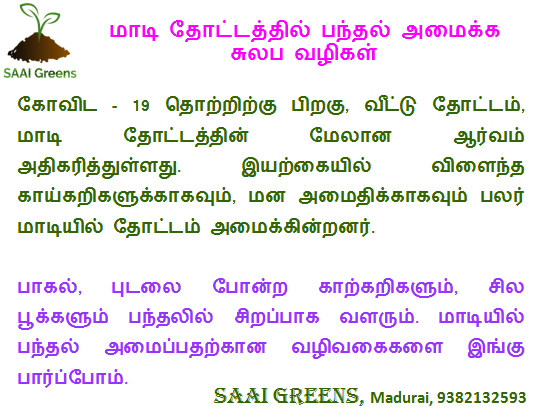
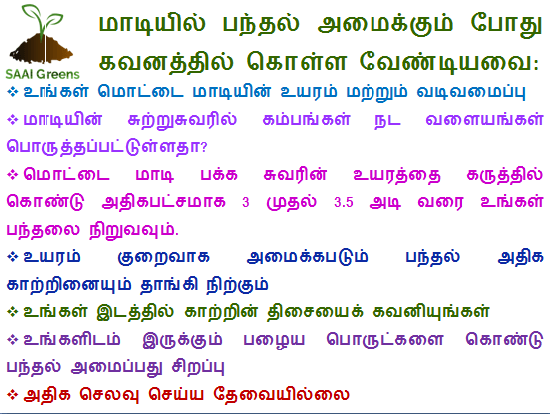
Points need to be considered while installing trellis / Pandal @ Terrace


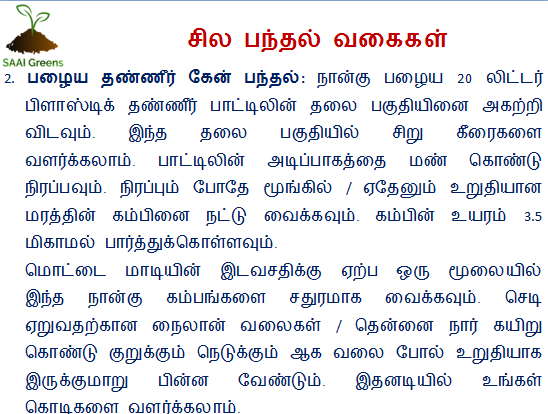
2. Used waste water cane pandal / trellis: Take four 20 litre water cane and remove the head. We can use it to plant small saplings. Fill the water cane base with Red soil / clay soil / sand or whatever you get easily. Place bamboo poles / any strong timbers in the height of 3 – 3.5 feet during filling of water cane base (As shown in below picture). Choose any corner of your terrace to install your trellis. Place four water cane poles as square according to your space availability and plant requirements. Tie plant climber net / join the four poles by coir rope and crisscross tie with the rope to get net like structure in the top. Place the plants under this trellis and enjoy the growth of your climbers & creepers.
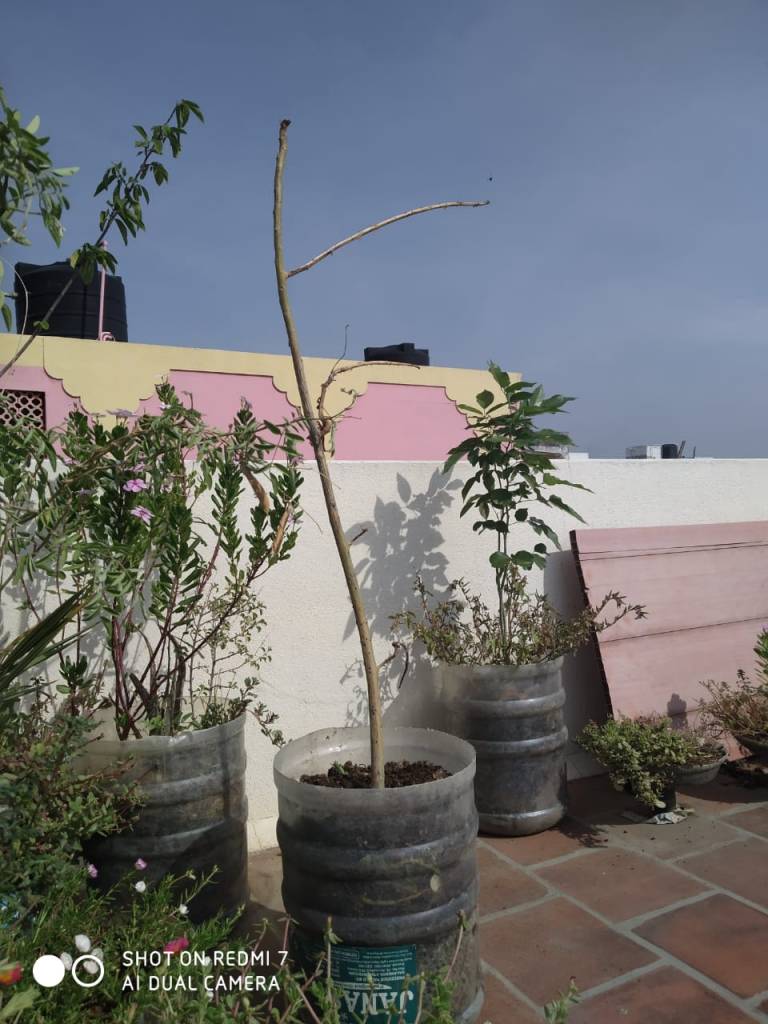
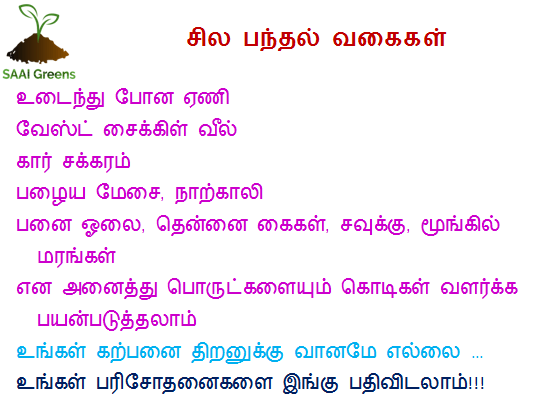
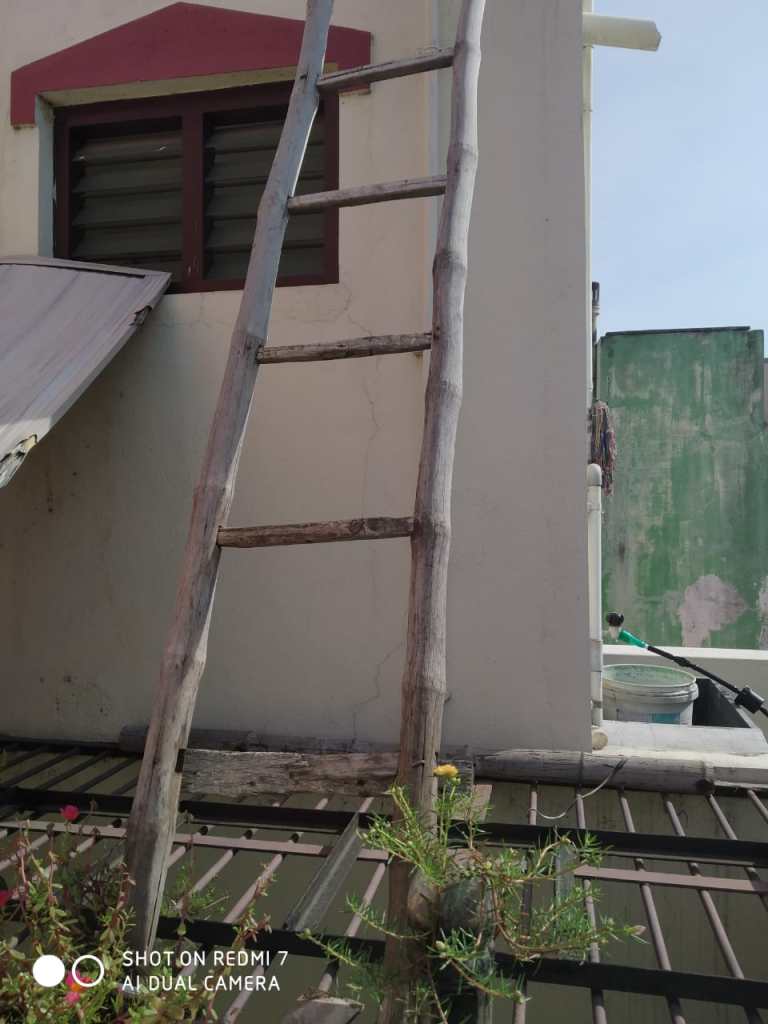
3. Ladder trellis: Broken ladders can be used as trellis/ pandal by placing it in side wall.
4. Waste cycle wheel / car tire trellis: Tie two – three waste cycle wheel / car tire and use it as trellis.
5. Waste table, chair, etc: As per your innovation.
6. Palm leaves, coconut fronds, casuarina wood, bamboo poles, etc., also used
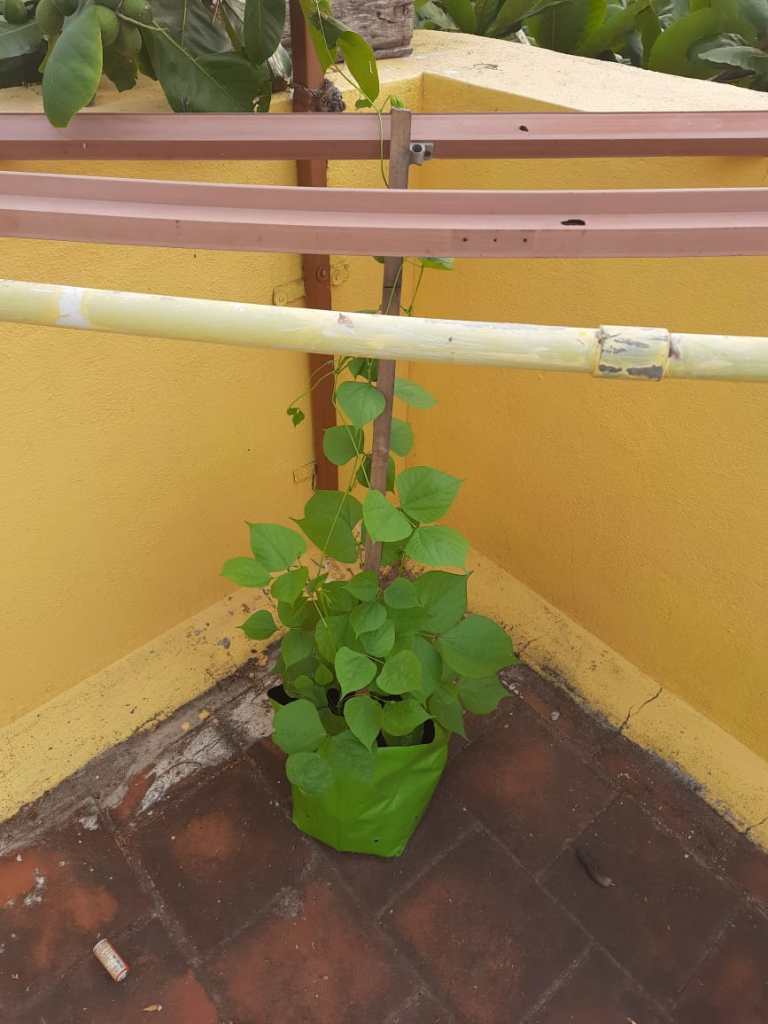
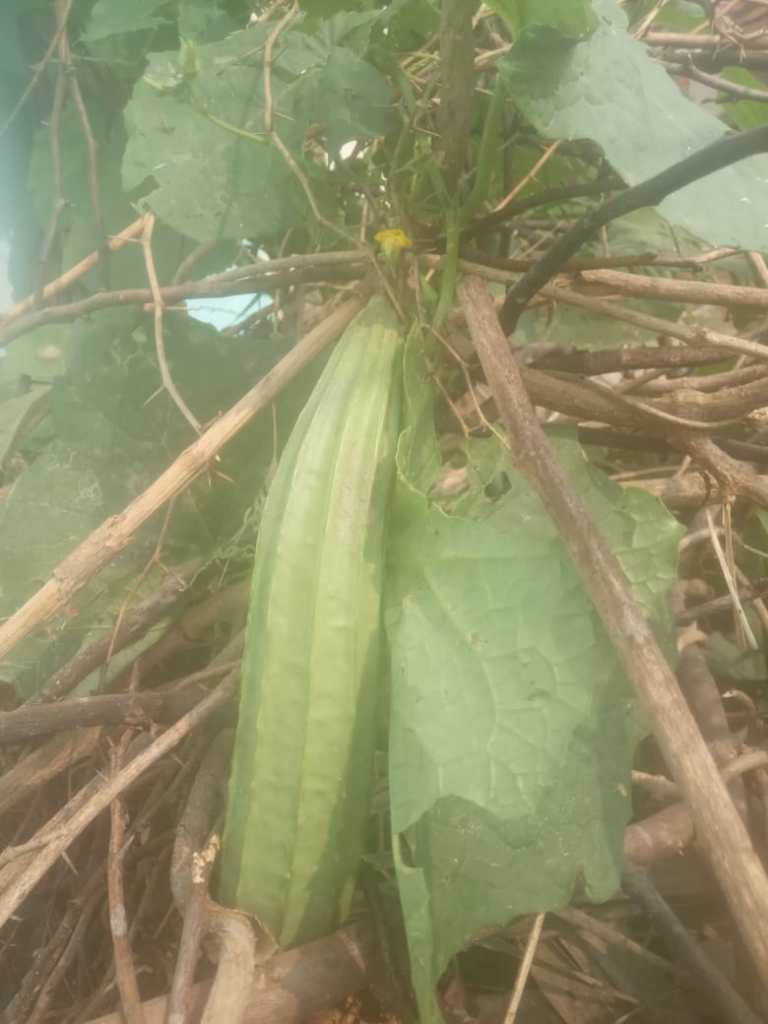
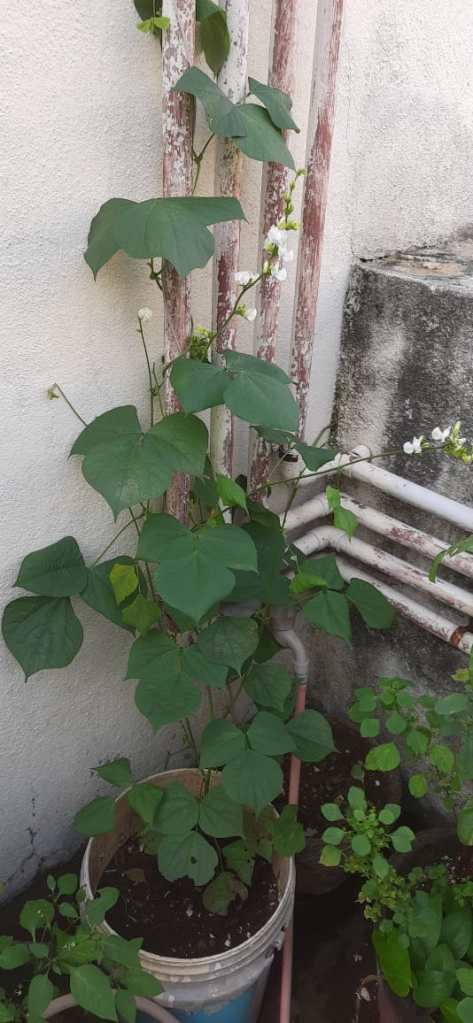
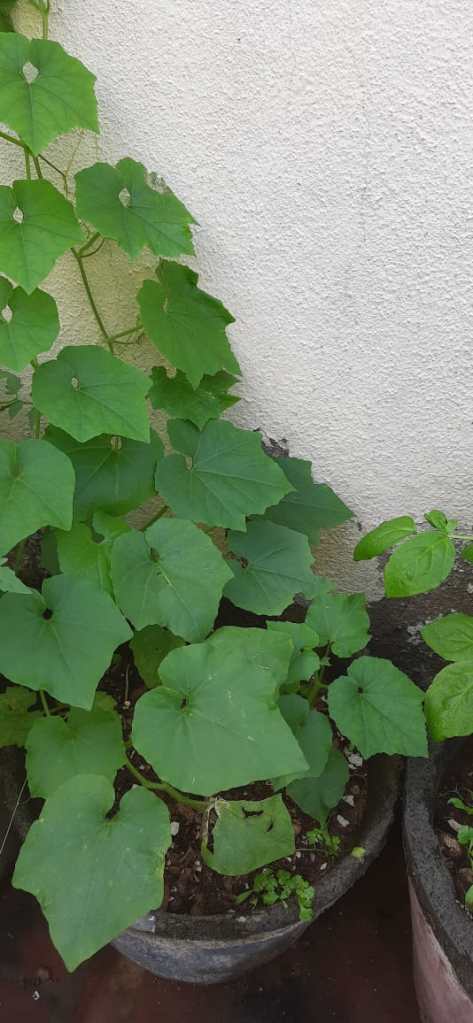
Sample trellis are exhibited here:
Happy Greening,
P. Dheivanai, M.Sc. (Ag.), 9382132593

 SAAI Academy