Useful to formulate various methods for successful management of plant diseases to improve the quantity and quality of the farm products.
Correlation of information about etiology, symptoms and characteristics of pathogens leads sustainable way of plant disease management.
Steps involved in plant disease management is vary from disease to disease. It depends upon the host, pathogen type, biotic and abiotic factors associated with the concern disease.
தாவர நோய் மேலாண்மையின் முக்கியத்துவம்
பண்ணை விளைபொருட்களின் அளவு மற்றும் தரத்தை மேம்படுத்த தாவர நோய்களை வெற்றிகரமாக கையாள்வது மற்றும் பல்வேறு முறைகளை வகுத்து தாவர நோய்களை கட்டுப்படுத்துவது பயனுள்ளதாக இருக்கும்.
நோயியல், அறிகுறிகள் மற்றும் நோய்க்கிருமிகளின் பண்புகள் பற்றிய தகவல்களின் தொடர்பு, தாவர நோய் மேலாண்மைக்கான நிலையான வழிக்கு வழிவகுக்கிறது.
தாவர நோய் மேலாண்மையில் உள்ள படிநிலைகள் நோய்க்கு நோய் வேறுபடும். இது நோயுடன் தொடர்புடைய நோய் கடத்தி, நோய்க்கிருமி வகை, உயிரியல் மற்றும் உயிரற்ற காரணிகளைப் பொறுத்தது.
Principles of Plant Disease Management
தாவர நோய் மேலாண்மை கொள்கைகள்
Avoidance: Avoid the contact between host vs. pathogen through find out the geographical area, farming land selection, time of planting, disease resistant varieties, prevent disease spreading vectors and weed/alternate hosts.
1. தவிர்த்தல்: புவியியல் பகுதி, விவசாய நிலங்களைத் தேர்வு செய்தல், நடவு செய்யும் நேரம், நோய் எதிர்ப்புத் திறன் கொண்ட இரகங்கள், நோய் பரப்பும் நோய்க்கிருமிகள் மற்றும் களை/மாற்று நோய் பரப்பும் தாவரம் ஆகியவற்றைக் கண்டறிவதன் மூலம் தாவரம் மற்றும் நோய்க்கிருமிகளுக்கு இடையேயான தொடர்பைத் தவிர்த்தல்.
2.Exclusion: Prevent the entry and development of pathogens in disease free crops in an uninfected area. Quarantine, inspection and certification, seed treatment, choosing disease free seed and planting materials are the possible way in exclusion.
2. விலக்கு: நோய் பாதிக்காத பகுதியில் நோயற்ற பயிர்களில் நோய்க்கிருமிகளின் நுழைவு மற்றும் வளர்ச்சியைத் தடுத்தல். தனிமைப்படுத்தல், ஆய்வு மற்றும் சான்றளித்தல், விதை நேர்த்தி செய்தல், நோய் இல்லாத விதை மற்றும் நடவுப் பொருட்களைத் தேர்ந்தெடுப்பது ஆகியவை நோய் விலக்குவதற்கான சாத்தியமான வழி.
3.Eradication: Eradication of pathogen once it developed in the plants or farm. Crop rotation, cleanliness, roguing, soil treatment, chemical control, use of bio control agents, heat treatment will eliminate the disease from plant and field.
3. ஒழிப்பு:தாவரத்திலோ பண்ணையிலோ நோய்க்கிருமி வளர்ந்த பிறகு அதை ஒழித்தல். பயிர் சுழற்சி, தூய்மை, நோயுற்ற பயிர்களை களைதல், மண் நேர்த்தி, இரசாயன கட்டுப்பாடு, உயிர் கட்டுப்பாட்டு உயிரிகள் பயன்பாடு, வெப்ப சிகிச்சை ஆகியவை தாவரங்கள் மற்றும் வயலில் இருந்து நோயை அகற்றும்.
4. Protection: Protect the susceptible host from the pathogen. Advance application of disease control agents protect the plants from pathogens. Eg. Seed treatment with bio control agents or fungicides
4. பாதுகாப்பு: நோய்க்கிருமியிலிருந்து பாதிக்கப்படக்கூடிய பயிரினை பாதுகாக்கவும். நோய்க் கட்டுப்பாட்டு முறைகளை முன்கூட்டியே பயன்படுத்துவதன் மூலம் தாவரங்களை நோய்க்கிருமிகளிடமிருந்து பாதுகாக்கலாம்.எ.கா. உயிரி கட்டுப்பட்டு முறைகள் அல்லது பூஞ்சைக் கொல்லிகளுடன் விதை நேர்த்தி செய்தல்
5.Host resistance/Immunization: Development of resistant varieties of plants against various pathogen suppress the establishment of pathogens.
5.நோய் எதிர்ப்பு/நோய்த்தடுப்பு பயிரினை பயிரிடுதல்: பல்வேறு நோய்க்கிருமிகளுக்கு எதிராக எதிர்ப்புத் திறன் கொண்ட தாவர வகைகளை உருவாக்குவது நோய்க்கிருமிகளின் உருவாக்கத்தை அடக்குகிறது.
6.Therapy: Treat the plants to inactivate the pathogen through Chemotherapy (Chemical fungicides or bactericides), thermotherapy (Mulching with polycovers), etc.,
6. சிகிச்சை: கீமோதெரபி (மருந்து கொண்டு நோய் நீக்கும் முறை - இரசாயன பூஞ்சைக் கொல்லிகள் மற்றும் பாக்டீரிசைடுகள்), தெர்மோதெரபி (வெப்பம் கொண்டு நோய் நீக்கும் முறை - நெகிழி மூடாக்கு இடுதல்) போன்றவற்றின் மூலம் நோய்க்கிருமியை செயலிழக்கச் செய்ய தாவரங்களில் செய்யப்படும் சிகிச்சை.
P. Dheivanai, M.Sc. (Ag.), Plant Pathology, 9382132593, SAAI Academy
• Maintain hygiene in farm: effective method to manage diseases. It prevent the pathogen from outside to the crop. All input materials, containers, or equipment should be clean and pathogen free.
பண்ணையில் சுகாதாரத்தைப் பேணுதல்: நோய்களைக் கட்டுப்படுத்த பயனுள்ள முறை. இது வெளியில் இருந்து பயிருக்கு நோய்க்கிருமியை தடுக்கிறது. அனைத்து உள்ளீட்டு பொருட்கள், கொள்கலன்கள் அல்லது உபகரணங்கள் சுத்தமாகவும் நோய்க்கிருமிகள் இல்லாததாகவும் இருக்க வேண்டும்.
• Control entry: Insect vectors carrying pathogen are easily enter in to the field through clothing and shoes. Clean cloths and shoes are recommended.
நுழைவு கட்டுப்பாட்டு: நோய்க்கிருமியைச் சுமந்து செல்லும் பூச்சிக் கிருமிகள் ஆடை மற்றும் காலணிகள் மூலம் எளிதில் வயலில் நுழைகின்றன. சுத்தமான துணி மற்றும் காலணிகள் பரிந்துரைக்கப்படுகிறது.
• Disease tolerant varieties: Cultivation of disease tolerant varieties – production won’t be affected even during mild infection. CO 47 rice variety – Resistant to Blast
• நோயைத் தாங்கும் இரகங்கள்: நோயைத் தாங்கும் இரகங்களை பயிரிடுதல் - லேசான தொற்று ஏற்பட்டாலும் உற்பத்தி பாதிக்கப்படாது. CO 47 அரிசி வகை - குலைநோய் எதிர்ப்பு வகை
• Selection of seed: Select healthy seeds preferably from disease free plants to avoid seed borne diseases.
• விதைத் தேர்வு: விதை மூலம் பரவும் நோய்களைத் தவிர்க்க, நோயற்ற தாவரங்களிலிருந்து ஆரோக்கியமான விதைகளைத் தேர்ந்தெடுப்பது நல்லது.
• Seed treatment: Soak seeds in a solution containing 150 g Trisodium orthriphosphate per litre of water for 30 minutes to inhibit seed borne inoculum.
• விதை நேர்த்தி: ஒரு லிட்டர் தண்ணீருக்கு 150 கிராம் டிரைசோடியம் ஆர்த்ரிபாஸ்பேட் கலந்த கரைசலில் விதைகளை 30 நிமிடம் ஊறவைத்து விதை மூலம் பரவும் நோய்களை தடுக்கவும்.
• Nylon mesh net: Seedling nursery should be raised under nylon mesh net to prevent infestation of insect vector responsible for carrying pathogen inoculum.
நைலான் கண்ணி வலை: நோய்க்கிருமிகளை சுமந்து செல்லும் பூச்சிகளின் தாக்குதலைத் தடுக்க நைலான் கண்ணி வலையின் கீழ் நாற்றங்கால் வளர்க்க வேண்டும்.
• Bio-barrier: Raise 2-3 rows of barrier crops like maize/sorghum along the borders of crop. This restricts the entry of insect vectors in the field.
• தடுப்புப் பயிர்: மக்காச்சோளம்/சோளம் போன்ற தடுப்புப் பயிர்களை 2-3 வரிசை பயிர்களின் எல்லைகளில் வளர்க்கவும். இது வயலில் பூச்சிக் கிருமிகள் நுழைவதைத் தடுக்கிறது.
• Dates of sowing: Plan sowing/transplanting of seedlings to main field when weather is not favourable for pathogen.
விதைக்கும் தேதிகள்: நோய்க்கிருமிக்கு வானிலை சாதகமாக இல்லாதபோது, நாற்றுகளை வயலில் விதைத்தல்/நடவு செய்தல் ஆகியவற்றை திட்டமிடுங்கள்
• Reflective mulches: Use reflective mulches in field to prevent incidence of insect vectors responsible for transmitting pathogen.
பிரதிபலிப்பு/நெகிழி மூடாக்கு: நோய்க்கிருமியை கடத்துவதற்கு காரணமான பூச்சிகளின் நடமாட்டத்தைத் தடுக்க வயலில் பிரதிபலிப்பு மூடாக்கு பயன்படுத்தவும்.
• Roguing: Uproot and burn infected plants to avoid further spread of the disease in field. Infected plants act as primary source of inoculum.
அகற்றுதல் / களைதல்: வயலில் நோய் மேலும் பரவாமல் இருக்க பாதிக்கப்பட்ட செடிகளை வேரோடு பிடுங்கி எரிக்கவும். பாதிக்கப்பட்ட தாவரங்கள் நோய் கிருமியின் முதன்மை ஆதாரமாக செயல்படுகின்றன.
• Removal of weeds: Field and surrounding areas should be kept clean and free from weeds as they harbour pathogens.
களைகளை அகற்றுதல்: வயல் மற்றும் சுற்றுப்புற பகுதிகள் களைகள் இல்லாமல் சுத்தமாக வைத்திருக்க வேண்டும்.
• Avoid mono-cropping: Avoid monoculture of vegetable crops in large area as continuous monoculture, or monocropping, where the same species is grown year after year, can lead to quicker buildup of pests and diseases, and then spread rapidly where a uniform crop is susceptible to a pathogen.
ஒற்றைப் பயிரைத் தவிர்க்கவும்: அதிக பரப்பளவில் காய்கறி பயிர்களை ஒற்றைப்பயிர் சாகுபடியைத் தவிர்க்கவும், அல்லது ஒற்றைப் பயிர் சாகுபடி, அதே இனத்தை ஆண்டுதோறும் பயிரிடுவது பூச்சிகள் மற்றும் நோய்களின் விரைவான வளர்ச்சிக்கு வழிவகுக்கும், பின்னர் நோய்க்கிருமிக்கு ஒரே மாதிரியான பயிர் பாதிக்கப்படக்கூடிய இடங்களில் வேகமாக பரவுகிறது. .
• Chemical control: Spray chemicals to manage the pathogen and disease. Eg. Mancozeb, maneb, nabam, zineb. Benomyl, cycloheximide, triadimefon, metalaxyl, thiabendazole.
இரசாயன கட்டுப்பாடு: நோய்க்கிருமி மற்றும் நோயை நிர்வகிக்க ரசாயனங்களை தெளிக்கவும். எ.கா. மான்கோசெப், மனேப், நபம், ஜினெப். பெனோமைல், சைக்ளோஹெக்சிமைடு, ட்ரைடிமெஃபோன், மெட்டாலாக்சில், தியாபெண்டசோல்.
• Transgenic approaches: Genetic engineering (GE) aids in identification and introduction of resistance gene from different plants and pathogens in to crops for imparting resistance to particular pathogenic disease.
மரபணு மாற்று அணுகுமுறைகள்: மரபணு பொறியியல் (GE) குறிப்பிட்ட நோய்க்கிருமி நோய்களுக்கு எதிர்ப்பை வழங்குவதற்காக பயிர்களுக்கு வெவ்வேறு தாவரங்கள் மற்றும் நோய்க்கிருமிகளின் எதிர்ப்பு மரபணுவை அடையாளம் கண்டு அறிமுகப்படுத்த உதவுகிறது.
P. Dheivanai, M.Sc. (Ag.), Plant Pathology, 9382132593, SAAI Academy
The National Testing Agency (NTA) conducted the Phase I of UGC-NET December 2021 & June 2022 (Merged Cycles) Examination on 09, 11, and 12 July 2022 for 33 Subjects in 310 Examination Centres located in 225 Cities across the Country.
Now Phase II examination for the rest of the 64 subjects of UGC-NET December 2021 and June 2022 (Merged Cycles) has been scheduled to be conducted between 20 and 30 September 2022.
The City of Examination Centre shall be displayed on 13 September 2022 (Today). Admit Cards will be displayed on 16 September 2022.
For any queries or /clarifications, candidates can write to NTA at ugcnet@nta.ac.in
பூஜ்யம் செலவில் நிலவாழ் காட்சி சாலை(டெர்ரரியும்) அமைத்தல்
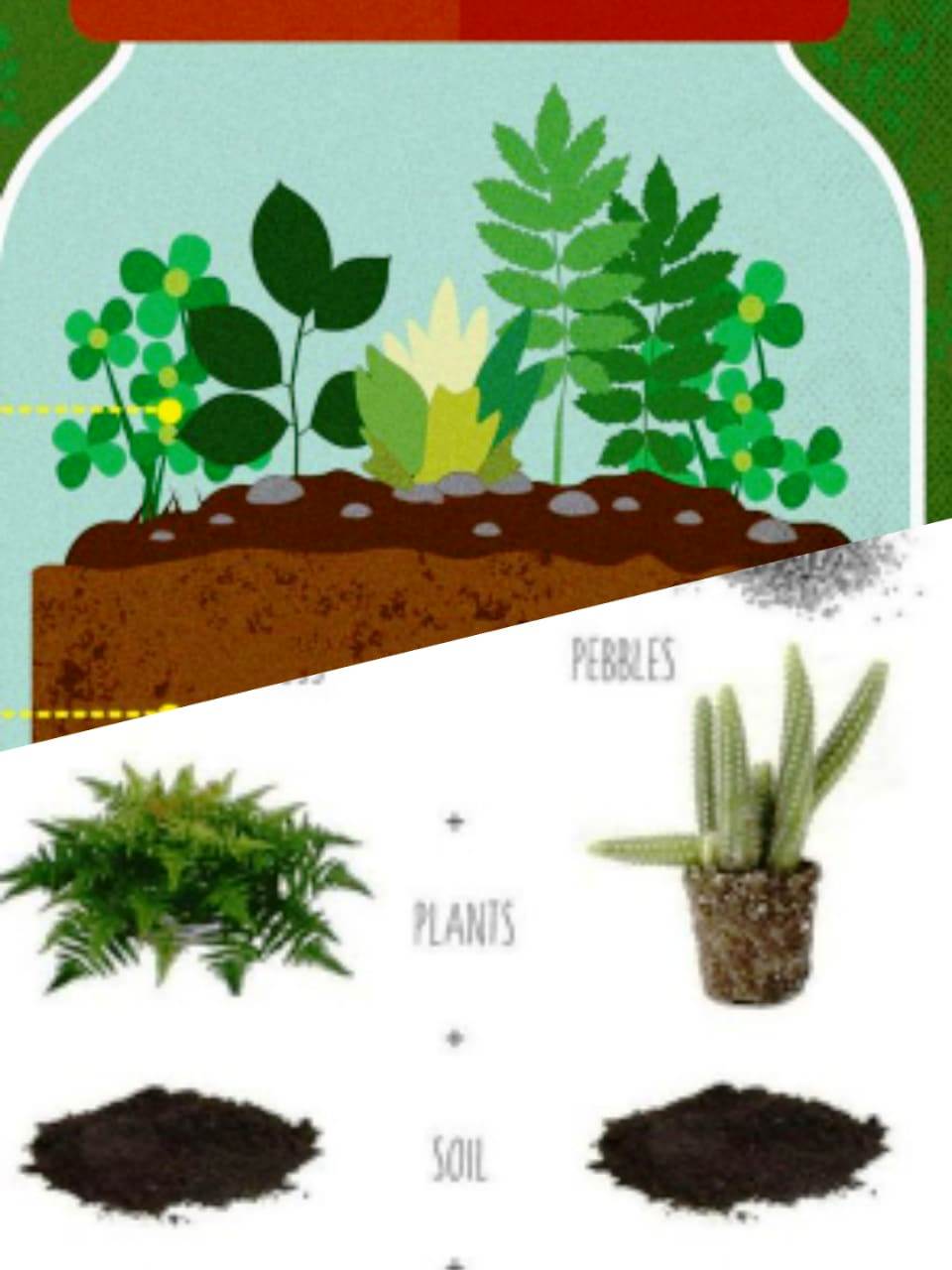
A terrarium (plural: terraria or terrariums) is maintaining plants in a glass container. Terraria creates aesthetic value and planted as decorative items. Other names of Terrarium are Glass Garden, Wardian Case, Vivarium. The word Terrarium derived from the word “aquarium” — replacing aqua (water) by terre (land). Two types of Terraria is possible. Those are,
Closed terraria and Open terraria
டெர்ரரியும் - ஒரு கண்ணாடி கொள்கலனில் தாவரங்களை பராமரிப்பது. டெர்ரேரியா அழகியல் மதிப்பை உருவாக்குகிறது மற்றும் அலங்கார பொருட்களாக நடப்படுகிறது. டெர்ரேரியத்தின் மற்ற பெயர்கள் கிளாஸ் கார்டன், வார்டியன் கேஸ், விவாரியம். டெர்ரேரியம் என்ற வார்த்தையானது "அக்வாரியம்" என்ற வார்த்தையிலிருந்து பெறப்பட்டது. டெர்ரே - "நிலம்", அக்வா "நீர்". இரண்டு வகையான டெர்ரேரியா சாத்தியம். அவை, மூடிய டெர்ரரியும் மற்றும் திறந்த டெர்ரரியும்.
Common errors in Terraria farming
Expose the terrarium to too much heat or light
Planting overcrowd or overgrown plants
Unclean glasses
Excess watering
Failure to create a drainage layer while installation of terraria
Low fertilizer or over fertilization
Failure to Remove decaying or dying Plants
Wrong plant selection
டெர்ரேரியாவில் செய்யப்படும் பொதுவான பிழைகள்
டெர்ரரியத்தினை அதிக வெப்பம் அல்லது வெளிச்சத்தில் வைத்தல்
அதிகப்படியான அல்லது அதிகமாக வளர்ந்த தாவரங்கள் நடுதல்
அசுத்தமான கண்ணாடி கொள்கலன்
அதிகப்படியான நீர்ப்பாசனம்
டெர்ரேரியாவை உருவாக்கும் போது வடிகால் அடுக்கை அமைக்காமை
குறைந்த உரம் அல்லது அதிக உரமிடுதல்
அழுகும் அல்லது இறக்கும் தாவரங்களை அகற்றாமல் விடுதல்
தவறான தாவர தேர்வு
Materials required for Terraria farming
Clean Glass container with or without seal (Recycling the pickle or any glass bottles). Cork or Glass lid for sealing the terraria is advisable for closed terraria.
Pebbles or stones for aesthetic look and facilitate the drainage
Waste clean Polythene sheet in the size of glass container chosen
Plants with different, size, shape and colors. Collect the plants in and around your locality. It will suit for your climate. Uproot the plants carefully without disturbing roots. Collection of small green masses will give lawn like appearance. Avoid big plants with broad leaves and creepers/climbers. Fast growing plants are also not suitable for Terraria. Plants with small leaves and ground cover plants are best suitable for this case.
Water sprinkler
டெர்ரேரியா அமைப்பதற்கு தேவையான பொருட்கள்
மூடி அல்லது மூடி இல்லாத கண்ணாடி கொள்கலனை சுத்தம் செய்தல் (ஊறுகாய் அல்லது ஏதேனும் கண்ணாடி பாட்டில்களை மறுசுழற்சி செய்யலாம்). கார்க் அல்லது கண்ணாடி மூடி மூடப்பட்ட டெர்ரேரியாவிற்கு பயன்படுத்தலாம்.
கூழாங்கற்கள் அல்லது கற்கள் - அழகியல் தோற்றம் மற்றும் வடிகால் வசதிக்கு பயன்படுத்தலாம்.
தேர்ந்தெடுக்கப்பட்ட கண்ணாடி கொள்கலனின் அளவு சுத்தமான பாலித்தீன் தாள்
மண் கலவை - தோட்ட மண் (1 பகுதி) : மண்புழு உரம் / தொழு உரம் (1 பகுதி): காய்ந்த இலை (0.5 பகுதி): கரித்துண்டுகள் (0.5 பகுதி)
மண்கலவை இட கரண்டி
வெவ்வேறு அளவு, வடிவம் மற்றும் வண்ணங்களைக் கொண்ட தாவரங்கள். உங்கள் பகுதியிலும் அதைச் சுற்றியுள்ள தாவரங்களை சேகரிக்கவும். இது உங்கள் காலநிலைக்கு ஏற்றதாக இருக்கும். வேர்களுக்கு இடையூறு இல்லாமல் செடிகளை கவனமாக பிடுங்கவும். சிறிய பச்சை நிற தாவர சேகரிப்பு புல்வெளி போன்ற தோற்றத்தை கொடுக்கும். அகன்ற இலைகள் மற்றும் கொடிகள், பெரிய செடிகளைத் தவிர்க்கவும். வேகமாக வளரும் தாவரங்களும் டெர்ரேரியாவுக்கு ஏற்றதல்ல. சிறிய இலைகள் கொண்ட தரையுடன் ஒட்டி வளரும் தாவரங்கள் மிகவும் பொருத்தமானது.
தண்ணீர் தெளிப்பான்
Steps involved in Terraria creation
Choose the Glass container
Decide whether it is open or closed terrarium
Choose the plants according to the type of terrarium. Succulent plants are only suitable for open terraria.
Spread gravels or pebbles as a bottom layer in the glass container. It will produce the reach look for the terrarium as well act as a drainer if excess water poured.
Cut the polythene sheet as same as container bottom size. Then, randomly pierce the polythene sheet with the help of needle and make a small holes on the sheet. These holes will support the excess water drained through it and will stay in pebbles layer. These excess water won’t affect the plant roots because place the polythene sheet as second layer on pebbles.
Now fill the prepared pot mix on the polythene sheet as third layer. Height of the pot mix layer would be 5 – 10 cm or height based on the size of the container and plants chosen for planting.
Create a small undulation or mountain like structure or steps or hills or sit outs based on your innovation by using extra pot mix, twigs and small stones.
Plant the bigger plants first and other plants subsequently. Rest of the area would be covered with green masses. Gently press the plant base with pot mix to make an association with pot mix and plants roots.
Sprinkle the water evenly on pot mix and wipe out the excess water on Glass container. Sprinkling of water on plants is not necessary.
Leave as such if it is open terraria or seal it if it is closed terraria.
Keep it in room or open place where the container gets bright light and partial sun light (Semi shaded area).
Monitor the health of plants regularly. If soil moisture gets low, wet it by sprinkling water. Closed terraria will be wet through evaporation and condensation process because of sealed nature.
Remove the decayed plants periodically. Open the closed terraria once in a six months or any necessary.
டெர்ரேரியா உருவாக்கத்தில் உள்ள படிகள்
கண்ணாடி கொள்கலனை தேர்வு செய்யவும்

திறந்த அல்லது மூடிய டெர்ரேரியா என்பதை முடிவு செய்யுங்கள்

டெர்ரேரியாவின் வகைக்கு ஏற்ப தாவரங்களைத் தேர்ந்தெடுக்கவும். சதைப்பற்றுள்ள தாவரங்கள் திறந்த  டெர்ரரியாவிற்கு மட்டுமே பொருத்தமானவை.

கண்ணாடி கொள்கலனில் கீழ் அடுக்காக சரளைகள் அல்லது கூழாங்கற்களை பரப்பவும். இது டெர்ரரியாவிற்கான அழகிய தோற்றத்தை உருவாக்கும், மேலும் அதிகப்படியான நீர் ஊற்றப்பட்டால் வடிகாலாகவும் செயல்படும்.

கொள்கலனின் அளவைப் போலவே பாலித்தீன் தாளை வெட்டுங்கள். பின்னர், பாலித்தீன் தாளை ஊசியால் துளைத்து, தாளில் சிறிய துளைகளை உருவாக்கவும். இந்த துளைகள் அதன் வழியாக வெளியேறும் அதிகப்படியான நீரை கூழாங்கல் அடுக்கிற்கு அனுப்பவும், அந்த நீர் மீண்டும் மண் கலவையை வந்தடையாமலும் அரணாக இருக்கும். பாலித்தீன் தாளை இரண்டாவது அடுக்காக கூழாங்கற்களின் மீது வைப்பதால் இந்த அதிகப்படியான நீர் தாவரத்தின் வேர்களை பாதிக்காது.

இப்போது தயாரிக்கப்பட்ட மண் கலவையை பாலித்தீன் தாளில் மூன்றாவது அடுக்காக நிரப்பவும். மண் கலவை அடுக்கின் உயரம் 5 - 10 செமீ அல்லது நடவுக்காக தேர்ந்தெடுக்கப்பட்ட கொள்கலன் மற்றும் தாவரங்களின் அளவைப் பொறுத்து மாறுபடும்.

கூடுதல் மண் கலவை, மரக்கிளைகள் மற்றும் சிறிய கற்களைப் பயன்படுத்தி உங்கள் அழகியல் நுணுக்கத்தின் அடிப்படையில் சிறிய அலை அல்லது மலை போன்ற அமைப்பு அல்லது படிகள் அல்லது மலைகளை உருவாக்கவும்.

பெரிய செடிகளை முதலில் நடவும், பிற செடிகளை அடுத்து நடவும். மீதமுள்ள பகுதிகளை பச்சை நிறமுள்ள மாஸ் கொண்டு மூடவும். தாவரத்தின் அடிப்பகுதியினை மண் கலவையுடன் மெதுவாக அழுத்தவும்

மண் கலவையில் தண்ணீரை சமமாக தெளிக்கவும், கண்ணாடி கொள்கலனில் உள்ள அதிகப்படியான தண்ணீரை துடைக்கவும். செடிகள் மேல் தண்ணீர் தெளிக்க வேண்டிய அவசியமில்லை.

திறந்த டெர்ரரியமாக இருந்தால் அப்படியே விடவும் அல்லது மூடிய டெர்ரரியமாக இருந்தால் சீல் செய்யவும்.

டெர்ரரியும் பிரகாசமான ஒளி மற்றும் பகுதி சூரிய ஒளி (அரை நிழல் பகுதி) பெறும் அறையில் அல்லது திறந்த இடத்தில் வைக்கவும்.

தாவரங்களின் ஆரோக்கியத்தை தொடர்ந்து கண்காணிக்கவும். மண்ணின் ஈரப்பதம் குறைந்தால், தண்ணீரை தெளித்து ஈரப்படுத்தவும். மூடப்பட்ட டெர்ரரியும் ஆவியாதல் மற்றும் ஒடுக்கம் செயல்முறை மூலம் ஈரமாக இருக்கும், ஏனெனில் சீல் செய்யப்பட்ட காரணத்தால்.

அழுகிய செடிகளை அவ்வப்போது அகற்றவும். மூடிய டெர்ரரியத்தினை ஆறு மாதங்களுக்கு ஒருமுறை அல்லது தேவையின் அடிப்படையில் திறக்கவும்.
Bonsai – Japanese form of art. Maintaining miniature trees in containers are called as Bonsai. Continuous care and manipulation is required for shaping the leaves, trunks and roots to meet the aesthetic value. Bonsai tree will take 10 – 15 years to obtain it’s maturity, but some species will take 30 years. If it take a long time, those bonsai will survive for hundreds of years. Bonsai can be developed for any woody stem perennial plants.
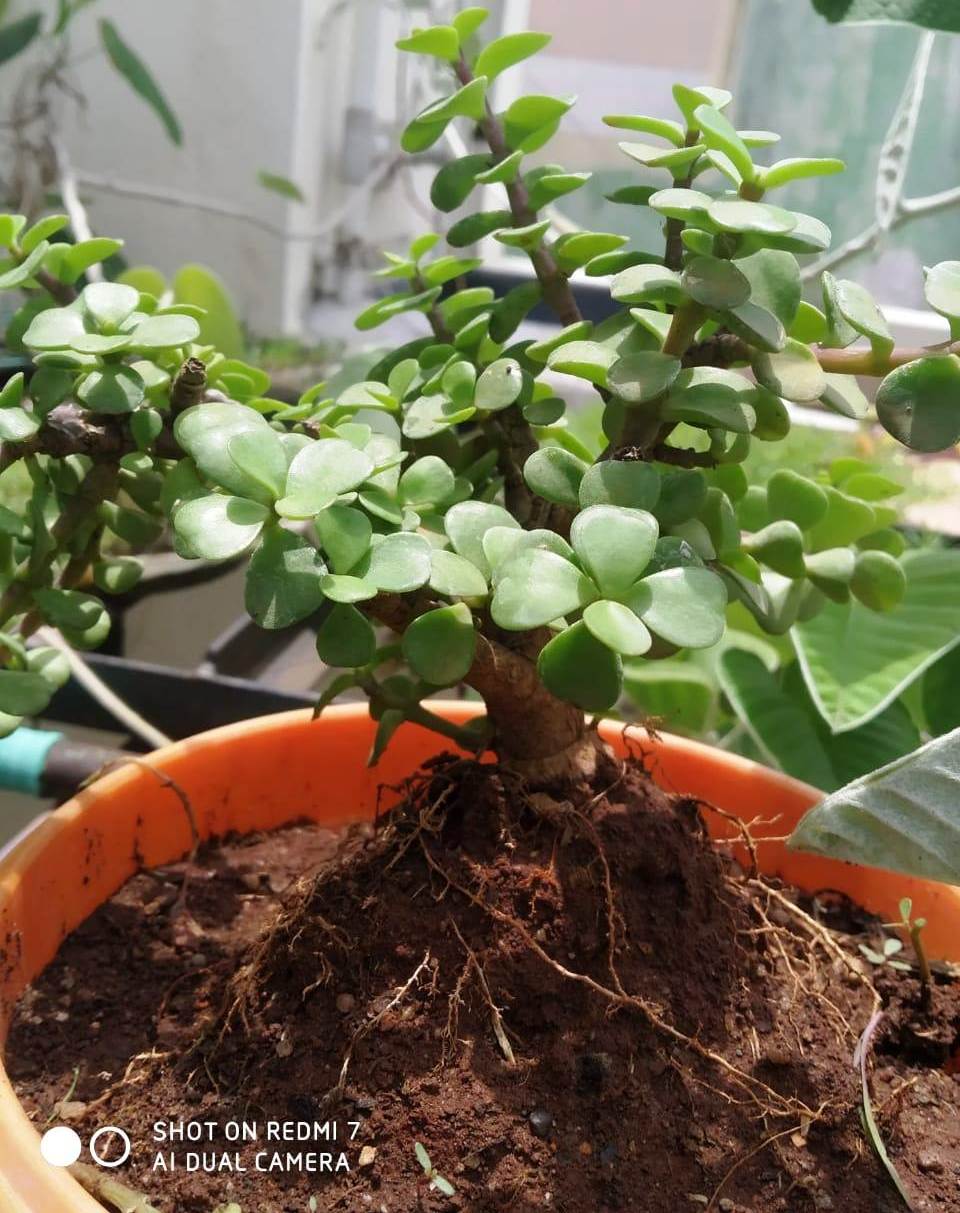
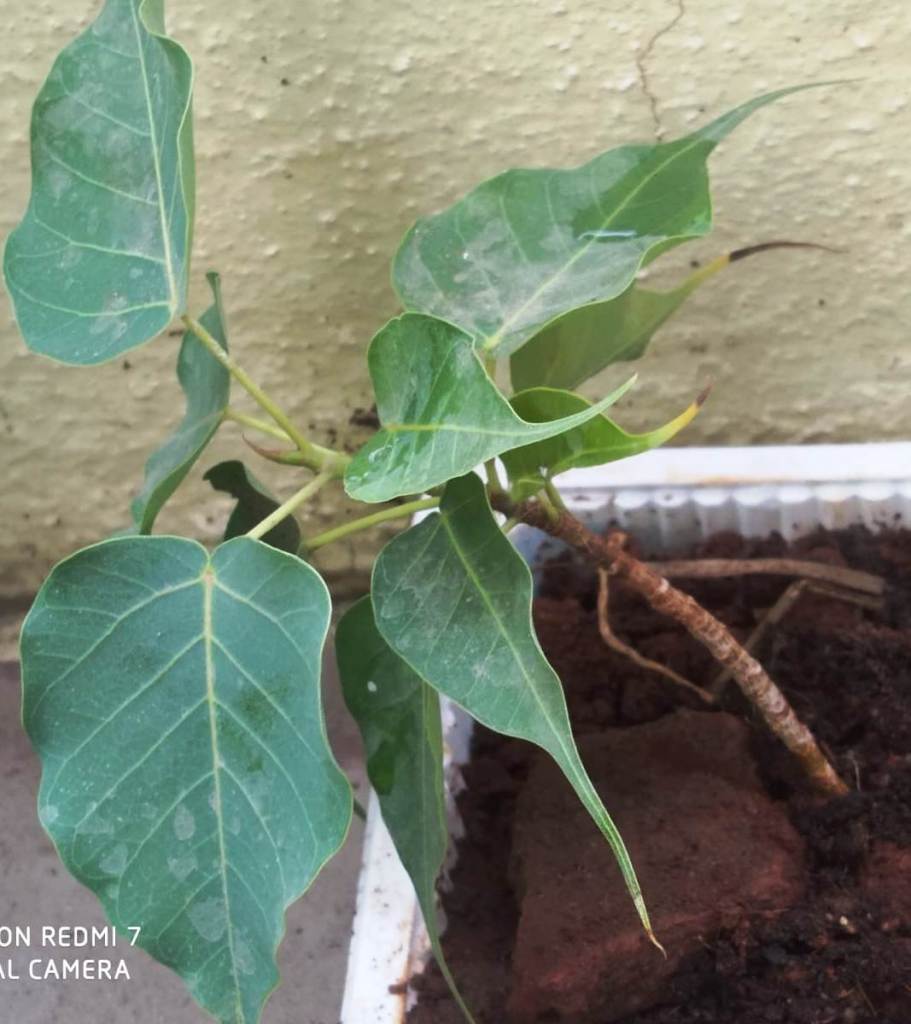
Banyan, Bougainvillea, Bodhi Tree, Jade, Ficus, Adenium, Maples and all type of woody structured trees can be create as bonsai.
போன்சாய் - ஜப்பானிய கலை வடிவம். சிறிய மரங்களை கொள்கலன்களில் பராமரிப்பது போன்சாய் என்று அழைக்கப்படுகிறது. இலைகள், தண்டுகள் மற்றும் வேர்களின் அழகியல் மதிப்பைக் கூட்டுவதற்கு தொடர்ச்சியான கவனிப்பு தேவை. போன்சாய் மரங்கள் அதன் முதிர்ச்சியைப் பெற 10 முதல் 15 ஆண்டுகள் ஆகும், ஆனால் சில இனங்கள் 30 ஆண்டுகள் ஆகும். நீண்ட காலம் எடுத்தால், அந்த போன்சாய்கள் பல நூறு ஆண்டுகள் உயிர் வாழும். கடினமான மரத்தண்டு உள்ள அனைத்து தாவரங்களிலும் போன்சாய் வடிவமைக்க முடியும்
ஆலமரம், போகேன்வில்லா/காகித பூ, போதி மரம், ஜேட், அரசு, அடினியம், மேப்பிள்ஸ் மற்றும் அனைத்து வகையான கடினமான மரத்தண்டு அமைப்புடைய மரங்களை போன்சாய்களாக உருவாக்கலாம்.
Selection of Bonsai tree
போன்சாய் மரத்தின் தேர்வு
Any types of plant propagation techniques could create bonsai. Even though, few techniques will facilitate quick production of mature trunk with well-developed foliage. Those are,
அனைத்து வகையான தாவர பெருக்க நுட்பங்களின் மூலமும் போன்சாயை உருவாக்கலாம். எனினும், சில நுட்பங்கள் நன்கு வளர்ந்த பசுமையாக முதிர்ந்த தண்டுகளை விரைவாக உற்பத்தி செய்ய உதவும்.அவை,
Cuttings: Cuttings from the matured branches with 4-5 growing nodes will produce quicker Bonsai than growing from the seeds.
தாவர தண்டு பாக துண்டுகள்: முதிர்ச்சியடைந்த கிளைகளில் இருந்து 4-5 வளரும் முனைகளுடன் தாவர தண்டு பாக துண்டுகளை வெட்டினால், விதைகளிலிருந்து வளர்வதை விட விரைவாக போன்சாய் உருவாகும்.
Layering: Rooting is facilitated from part of a plant. Different types of layering is possible to create Bonsai like, Simple layering, tip layering, air layering, mount layering, etc.,. Usually a layered branch would be attached with the parent plant still root development in the layering portion. After well developed roots, the branch is separated from the parent and grow as Bonsai.
பதியம்: தாவரத்தின் பாகங்களிலிருந்து வேர்விடும் வசதி செய்யப்படுகிறது. எளிய முறை பதியம், நுனி பதியம், விண் பதியம், மவுண்ட் லேயரிங் போன்றவை மூலம் போன்சாய் சாத்தியமாகும். தாய் செடியின் ஒரு பாகம் வேர் உருவாக ஏதுவான சூழல் ஏற்படுத்தபடும். வேர் உருவான பின் தனியாக வெட்டப்பட்டு போன்சாய் வளர்க்கப்படும்.
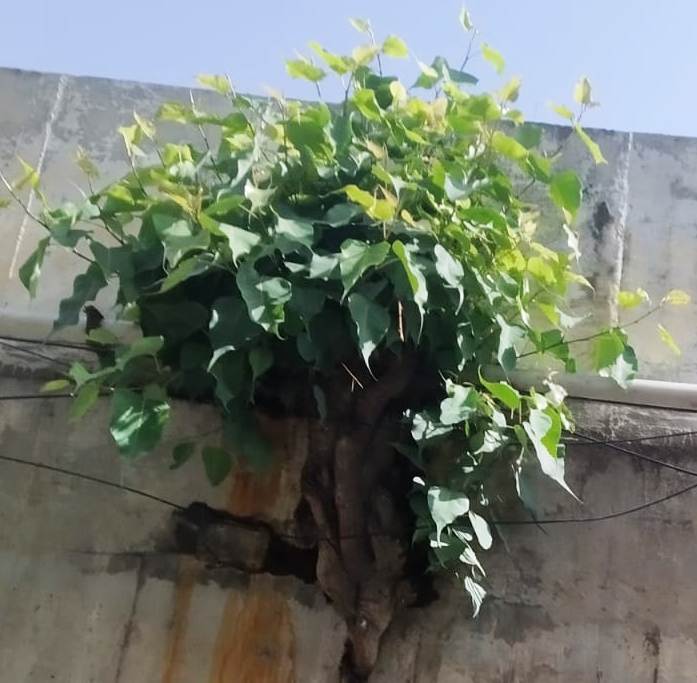
Natural Selection: Collection of naturally available bonsai materials from the old buildings, road sides, bridges (Shown in below image), private yards, or hedgerow plants is the best source for bonsai development. Hedgerow trees grown for many years, trimmed continuously to maintain the height of the hedges. Trunk portion of these hedgerow plants would be big and strong as well suitable for the Bonsai.
இயற்கையான போன்சாய் தேர்வு: பழைய கட்டிடங்கள், சாலை ஓரங்கள், பாலங்கள் (கீழே உள்ள படத்தில் காட்டப்பட்டுள்ளது), தனியார் தோப்புகள் அல்லது வரப்பு ஒர செடிகள் ஆகியவற்றில் இருந்து இயற்கையாக கிடைக்கும் போன்சாய் மரங்களை / தாவரங்களை சேகரிப்பது போன்சாய் வளர்ப்பிற்கு சிறந்த ஆதாரமாகும். பல ஆண்டுகளாக வளர்க்கப்படும் வேலியோர மரங்கள், வேலிகளின் உயரத்தை பராமரிக்க தொடர்ந்து வெட்டப்படுகின்றன.இந்த வேலியோர செடிகளின் தண்டு பகுதி பெரியதாகவும் வலுவாகவும் இருக்கும் மற்றும் சிறந்த போன்சாய்க்கு ஏற்றதாக இருக்கும்.
Nursery collection: Non bonsai plants from the nursery can be collected and replanting it in to the container for bonsai development. Nursery plants is already pot-conditioned, so, it can be performed well as a bonsai very easily. But, these plants are very long and without any side branches. Hence, selection is crucial process in this case.
நாற்றங்கால் போன்சாய் சேகரிப்பு: நாற்றங்காலில் இருந்து போன்சாய் அல்லாத செடிகளை சேகரித்து, போன்சாய் வளர்ச்சிக்காக கொள்கலனில் மீண்டும் நடலாம். நாற்றங்கால் தாவரங்கள் ஏற்கனவே கொள்கலனில் வளரும் தன்மை உடையவை, எனவே, அதை மிக எளிதாக ஒரு போன்சாயாக மாற்றலாம். ஆனால், இந்த செடிகள் மிக நீளமாகவும், பக்கவாட்டு கிளைகள் ஏதுமின்றியும் இருக்கும். எனவே, நாற்றங்கால் செடி தேர்வு ஒரு முக்கியமான செய்கை ஆகும்.
Seed: Very popular method of bonsai cultivation. You can decide the shape and structure of the plants in this case. But, it requires patience. It will take long span of time to get the shape and size.
விதை: மிகவும் பிரபலமான போன்சாய் சாகுபடி முறை. இந்த முறையில் தாவரங்களின் வடிவம் மற்றும் கட்டமைப்பை நீங்கள் தீர்மானிக்கலாம். ஆனால், அதற்கு பொறுமை தேவை. போன்சாய் வடிவம் மற்றும் அளவைப் பெறுவதற்கு நீண்ட காலம் எடுக்கும்.
Selection of Container
The containers should be unpolished shallow pots of different sizes and shapes based on the availability and to create an aesthetic value – round, rectangular or square, etc.,. The size and depth of the container depends on the size of the bonsai plant to be grown. The containers should be simple with drainage facility.
போன்சாய் கொள்கலன் தேர்வு
அழகியல் மதிப்பை உருவாக்க பல்வேறு அளவுகள் மற்றும் வடிவங்கள் கொண்ட மெருகூட்டப்படாத ஆழமற்ற கொள்கலன்களாக இருக்க வேண்டும். வளர்க்கப்படும் போன்சாய் செடியின் அளவைப் பொறுத்து கொள்கலனின் அளவு மற்றும் ஆழம் மாறுபடும். கொள்கலன்கள் வடிகால் வசதியுடன் எளிமையாக இருக்க வேண்டும்.
Pot mix should be fresh, well-drained and rich in nutrients. It’s pH should be neutral. Loamy soil/garden soil 1 part and compost 1 part is recommended as potting mix. Small pebbles or large size soil particles or tree barks should be placed as bottom layer to ensure drainage. The prepared pot mix spread over the container as next layer and place the bonsai and again cover the roots of the plants with the pot mix. This pot mix will hold the plants as well the roots will get close contact with the soil.
மண் கலவை
மண் கலவை புதியதாகவும், ஊட்டச்சத்துக்கள் நிறைந்ததாகவும் இருக்க வேண்டும். அதன் கார அமில தன்மை நடுநிலையாக இருக்க வேண்டும். தோட்ட மண் 1 பகுதி மற்றும் தொழு உரம் / மண்புழு உரம் 1 பகுதி மண் கலவையாக பரிந்துரைக்கப்படுகிறது. சிறிய கூழாங்கற்கள் அல்லது பெரிய மண் துகள்கள் அல்லது மரத்தின் பட்டைகளை வடிகால் வசதிக்காக கீழ் அடுக்காக வைக்க வேண்டும். தயாரிக்கப்பட்ட மண் கலவையை கொள்கலனில் பரப்பி, போன்சாய் செடியினை வைத்து, மீண்டும் மண்கலவையினால் தாவரங்களின் வேர்களை மூடவும்.
Keep it in ideal condition
Most bonsai plants are growing as outdoor plants. Few plants can survive as an indoor plants. Young bonsai trees need to be re-potted every year. Matured trees can be maintained in the same pot for up to 2-3 years. After planting or re-potting, the container should be keep it in semi shaded area. Gradual exposure to the sun light is recommended. Maximum portion of the old soil need to be replaced while re-potting.
Manuring once in a fortnightly interval facilitates the proper plant growth. All macro and micro nutrients mix is advisable. Application of neem cake powder reduce the root rot diseases. Application of nitrogen based fertilizer increase the green coverage and trunk size. Phosphorus is necessary for the general health and vigor of the plants. Potash fertilizers supports flowering and fruiting. Water soluble pellet based fertilizers suitable for bonsai, because it release the nutrients slowly and fulfill the plants requirements.
சாதகமான சூழ்நிலையில் வளர்த்தல்
பெரும்பாலான போன்சாய் செடிகள் வெளிப்புற தாவரங்களாக வளர்ந்து வருகின்றன. சில தாவரங்கள் உட்புற தாவரங்களாக வாழ முடியும். இளம் போன்சாய் மரங்களை ஒவ்வொரு ஆண்டும் மீண்டும் மறுநடவு செய்ய வேண்டும். முதிர்ந்த மரங்களை ஒரே தொட்டியில் 2-3 ஆண்டுகள் வரை பராமரிக்கலாம். நடவு செய்த பிறகு அல்லது மீண்டும் மறுநடவு செய்த பிறகு, போன்சாய் மரங்களை அரை நிழலில் வைக்க வேண்டும். சூரிய ஒளியை படிப்படியாக வைப்பது பரிந்துரைக்கப்படுகிறது. மீண்டும் மறுநடவு செய்யும் போது பழைய மண்ணினை அதிகபட்சம் எடுத்து விட்டு புதிய மண்கலவையினை பயன்படுத்த வேண்டும்.
பதினைந்து நாட்களுக்கு ஒருமுறை உரமிடுவது சரியான போன்சாய் வளர்ச்சிக்கு உதவுகிறது. அனைத்து மேக்ரோ மற்றும் மைக்ரோ ஊட்டச்சத்து கலவை பரிந்துரைக்கப்படுகிறது. வேப்பம் பிண்ணாக்கு பொடியை இடுவதால் வேர் அழுகல் நோய்கள் குறையும். நைட்ரஜன் அடிப்படையிலான உரங்களைப் பயன்படுத்துவதன் மூலம், பச்சைப் பரப்பு மற்றும் தண்டு அளவு அதிகரிக்கும். தாவரங்களின் ஒட்டுமொத்த ஆரோக்கியத்திற்கும் வீரியத்திற்கும் பாஸ்பரஸ் அவசியம். பொட்டாஷ் உரங்கள் பூ மற்றும் பழம் தரும். நீரில் கரையக்கூடிய குருணை அடிப்படையிலான உரங்கள் போன்சாய்க்கு ஏற்றது, ஏனெனில் இது ஊட்டச்சத்துக்களை மெதுவாக வெளியிடுகிறது மற்றும் தாவரங்களின் தேவையை பூர்த்தி செய்கிறது.
Irrigation
The soil should never be allowed to dry up fully; because, bonsai plants are growing in shallow containers. While watering, ensure the entire root mass is wetted. Avoid water logging to prevent rotting.
நீர் பாசனம்
மண் முழுமையாக உலர அனுமதிக்கக்கூடாது; ஏனெனில், போன்சாய் செடிகள் ஆழமற்ற கொள்கலன்களில் வளர்வதால். நீர்ப்பாசனம் செய்யும் போது, முழு வேரும் ஈரமாக இருப்பதை உறுதி செய்யவும். வேர் அழுகுவதைத் தடுக்க நீர் தேங்குவதைத் தவிர்க்கவும்.
Prune and train
Pruning is not needed when branches are small and well arranged. Terminal growth should be removed to minimize the height of the bonsai. This process induce the growth of auxiliary branches. Pruning is important to maintain the trees miniaturized. Pruning frequency depends on growth habit of the plant. Soil and root should not be disturbed at the time of pruning or pinching or wiring or training.
Wiring is must to develop a expected shape. Copper or Aluminum wires are used to bring the shape of tree in the desired way. Wiring is possible with tender trunks. Whereas, shaping of the matured trees are possible with screw-based clamps. This process is called as Clamping.
Penjing: Chinese art of Bonsai
Saikei: Japanese miniature landscape with live plants in a tray
கவாத்து செய்தல்
கிளைகள் சிறியதாகவும் நன்கு ஒழுங்கமைக்கப்பட்டதாகவும் இருக்கும் போது கவாத்து தேவையில்லை. போன்சாயின் உயரத்தைக் குறைக்க நுனி கிளை வளர்ச்சியை அகற்ற வேண்டும். இதனால் பக்க கிளைகளின் வளர்ச்சி தூண்டப்படுகிறது. மரங்களை சிறியதாக பராமரிக்க கவாத்து முக்கியம். கவாத்து செய்வதற்கான இடைவெளி தாவரத்தின் வளர்ச்சியைப் பொறுத்தது. கவாத்து செய்யும் போது மண் மற்றும் வேரினை தொந்தரவு செய்யக்கூடாது.
எதிர்பார்க்கப்படும் வடிவத்தை உருவாக்க வயரிங்/கட்டுதல் அவசியம். தாமிரம் அல்லது அலுமினிய கம்பிகள் மரத்தின் வடிவத்தை விரும்பிய வழியில் கொண்டு வர பயன்படுகிறது. இளம் தண்டுகளை வடிவமைக்க தாமிரம் அல்லது அலுமினிய கம்பிகள் போதும். அதேசமயம், முதிர்ச்சியடைந்த மரங்களை வடிவமைக்க திருகு அடிப்படையிலான கவ்விகள் மூலம் வடிவமைக்க முடியும். இந்த செயல்முறை கிளாம்பிங் என்று அழைக்கப்படுகிறது.
பென்ஜிங்: சீன கலை போன்சாய்
சாய்கேய்: ஒரு தட்டில் வளர்க்கப்படும் தாவரங்களுடன் ஜப்பானிய மினியேச்சர் நிலஅமைப்பு
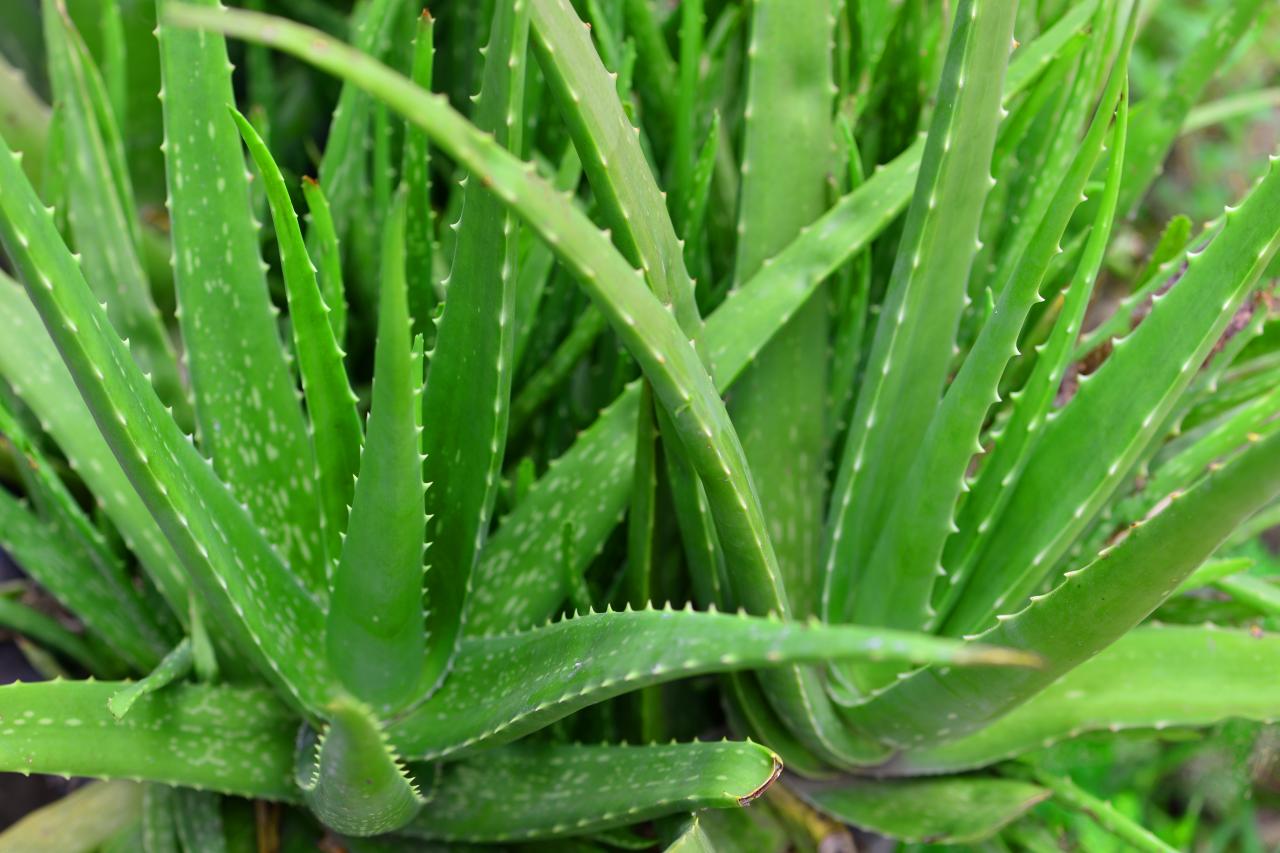
Aloe is a perennial, cactus-like plant that grows in hot, dry climates without much care. It is cultivated in subtropical regions around the world for its medicinal value.
கற்றாழை ஒரு பல்லாண்டு பயிர். இது அதிக கவனிப்பு இல்லாமல் வெப்பமான, வறண்ட காலநிலையில் வளரும். உலகெங்கிலும் உள்ள துணை வெப்பமண்டல பகுதிகளில் அதன் மருத்துவ மதிப்புக்காக பயிரிடப்படுகிறது.
Aloe vera, Aloe ferox, Aloe perryi and Zanzibar, Uganda, Natal and Hyderabad aloe are having good quality of “aloe gel”.
அலோ வேரா, அலோ ஃபெராக்ஸ், அலோ பெரி மற்றும் சான்சிபார், உகாண்டா, நடால் மற்றும் ஹைதராபாத் கற்றாழை ஆகியவை நல்ல தரமான "அலோ ஜெல்" கொண்டவை.
Aloe gel is used to treat sunburn. It has antioxidant properties. Aloe gel benefits your skin, oral and digestive health system. It may even improve blood sugar level.
கற்றாழை ஜெல் ஆக்ஸிஜனேற்ற பண்புகளைக் கொண்டுள்ளது. கற்றாழை ஜெல் தோல், வாய்வழி மற்றும் செரிமான அமைப்புக்கு நன்மை பயக்கும். இது இரத்த சர்க்கரை அளவை மேம்படுத்துகிறது.
Aloe vera contains 75 potentially active constituents: vitamins (vitamins A (beta-carotene), C, E, vitamin B12, folic acid, and choline), enzymes, minerals, sugars, lignin, saponins, salicylic acids and amino acids.
கற்றாழையில் 75 உட்கூறுகள் உள்ளன: வைட்டமின்கள் (வைட்டமின்கள் ஏ (பீட்டா கரோட்டின்), சி, ஈ, வைட்டமின் பி12, ஃபோலிக் அமிலம் மற்றும் கோலின்), என்சைம்கள், தாதுக்கள், சர்க்கரைகள், லிக்னின், சபோனின்கள், சாலிசிலிக் அமிலங்கள் மற்றும் அமினோ அமிலங்கள்.
A range of Aloe based skin care products and health drinks available in the market. Aloe vera has a good market value, especially it is grown as organically.
கற்றாழை சார்ந்த தோல் பராமரிப்பு பொருட்கள் மற்றும் ஆரோக்கிய பானங்கள் சந்தையில் கிடைக்கின்றன. கற்றாழைக்கு நல்ல சந்தை மதிப்பு உள்ளது, குறிப்பாக இது இயற்கை முறையில் வளர்க்கப்படுகிறது.
Cultivation steps
சாகுபடி முறைகள்
Soil and Climate: Well drained loamy soils is best for aloe cultivation. Recommended soil pH 7.0 – 8.5 and temperature ranges between 25 – 40°C. Sensitive to stagnant water – well-drained highland is suitable for aloe farming.
மண் மற்றும் தட்பவெப்பநிலை: கற்றாழை சாகுபடிக்கு நன்கு வடிகால் வசதியுடைய மண் சிறந்தது. பரிந்துரைக்கப்பட்ட மண்ணின் pH 7.0 - 8.5 மற்றும் வெப்பநிலை வரம்பு 25 - 40 டிகிரி செல்சியஸ். வடிகால் வசதியுடைய மேட்டு நிலம் கற்றாழை விவசாயத்திற்கு ஏற்றது.
Seed and sowing: propagated through suckers – one hectare of land need 10,000 suckers.
விதை மற்றும் விதைப்பு: பக்க கன்றுகள் மூலம் நடவு செய்ய படுகிறது - ஒரு ஹெக்டேர் நிலத்திற்கு 10,000 பக்க கன்றுகள் தேவை.
Planting season: Planting will be done in 2 seasons – June – July and September – October.
நடவு காலம்: ஜூன் - ஜூலை மற்றும் செப்டம்பர் - அக்டோபர் ஆகிய 2 பருவங்களில் நடவு செய்யப்படும்.
Planting: Field is thoroughly ploughed and beds of suitable sizes are formed. Suckers are planted at 90 x 90 cm spacing.
நடவு: வயலை நன்கு உழுது, தகுந்த அளவு பாத்திகள் அமைக்கப்படும். பக்க கன்றுகள் 90 x 90 செ.மீ இடைவெளியில் நடப்படுகின்றன
Irrigation: Mainly cultivated as rainfed crop. During summer, minimal irrigation or need based irrigation are required.
பாசனம்: முக்கியமாக மானாவாரி பயிராக பயிரிடப்படுகிறது. கோடை காலத்தில், குறைந்தபட்ச நீர்ப்பாசனம் அல்லது தேவை அடிப்படையிலான நீர்ப்பாசனம் பரிந்துரைக்கப்படுகிறது
Manuring: Add 10 t/ha of Farm Yard Manure during last ploughing. Manuring is not required for fertile soils.
உரமிடுதல்: கடைசி உழவின் போது ஹெக்டேருக்கு 10 டன் பண்ணை எருவை சேர்க்கவும். வளமான மண்ணுக்கு உரம் தேவையில்லை.
Plant protection : No pest and disease infestation. Browning of aloe leaves due to too much or too little moisture. Other reasons might be excess salt in soil, sun scorch, fungal disease or nutrient deficiency.
பயிர் பாதுகாப்பு: பூச்சி மற்றும் நோய் தாக்குதல் அதிக அளவு இல்லை. அதிக அல்லது மிகக் குறைந்த ஈரப்பதம் காரணமாக கற்றாழை இலைகள் பழுப்பு நிறமாகின்றன. மண்ணில் உள்ள அதிகப்படியான உப்பு, வெயிலின் தாக்கம், பூஞ்சை நோய் அல்லது ஊட்டச்சத்து குறைபாடு இலையின் நிற மாற்றத்திற்க்கு காரணமாக இருக்கலாம்.
Harvest: Harvesting can be done 6 – 7 months after planting. Plants are uprooted and processed for gel extraction. Otherwise, cut 3-4 outer sections of the leaves at a time. Focus on the larger upper foliage. Cut them close to the stem. Trim the prickly edges with a knife and extract the gel within 6 hours after harvest.
அறுவடை: நடவு செய்த 6-7 மாதங்களுக்குப் பிறகு அறுவடை செய்யலாம். பயிரை வேரோடு பிடுங்கி ஜெல் பிரித்தெடுக்கலாம். இல்லையெனில், ஒரு நேரத்தில் 3-4 வெளிப்புற பெரிய பசுமையான இலைகளை தூய்மையான கத்தியினால் வெட்டுங்கள். அவற்றை தண்டுக்கு நெருக்கமாக வெட்டுங்கள். முட்கள் நிறைந்த விளிம்புகளை கத்தியால் அகற்றிவிட்டு, அறுவடை செய்த 6 மணி நேரத்திற்குள் ஜெல்லை பிரித்தெடுக்கவும்.
Ratooning: Good yield noticed for around 4-5 years. Periodical removal of side suckers and incorporating FYM / vermicompost will ensure the good yield.
மறுதாம்பு: நல்ல மகசூல் சுமார் 4-5 ஆண்டுகளுக்கு பெறலாம். பக்க கன்றுகளை அவ்வப்போது அகற்றி, தொழு உரம் / மண்புழு உரம் சேர்ப்பது நல்ல மகசூலை உறுதி செய்யும்.
It was one fine morning; Ms.Valli1 visited to People Mutuals2 with a clarification about an old-age mutual claim settlement. She narrated the problem as, a member Ms.Shanmugathai aged 65 is died on August 27, 2008 by falling in her home. The problem is she paid her contribution to Kalanjiam3 under mutual help programme on July 10, 2008. The Kalanjiam has settled the contribution in total of Rs.1350 totally for 9 members on July 11, 2008 in the next day of Kalanjiam meeting. However, the cluster has settled the contribution to federation mutuals account only on August 26, 2008 just previous day of the Ms.Shanmugathai’s death. It was happened in nature and not in the intention of getting the claim, because the death is occurred naturally which was not expected. Shall I proceed to settle the claim?
People Mutuals as usual said that the life mutual help programme is need to ensure the timely benefit to the affected member’s family. So, Ms.Valli may discuss this with the Board. If Board decides to settle the claim, you may proceed it soon. However, a field visit is required to ensure that the death is occurred by nature and not with any pre-existing illness or any.
In one fine morning, Mr.Siva, staff of People Mutuals went to Vaigai Vattara Kalanjiam. He has referred the details about Ms.Shanmugathai whatever available at the federation office (refer annex 1 – 6). There was a claim intimation letter dated August 27, 2008 written by Ms.Jeeva, representative of Karanthamalai Kalanjiam requesting that, Ms.Shanmugathai, one of Kalanjiam members was died to-day by falling and injury on head. Kindly sanction the old age benefit amount (Annex – 1).
One of the field-associates, Ms.Shanmuga Priya was given the following details about the member contribution and date (Annex – 2): • Karanthamalai Kalanjiam is contributed to old age life mutual help programme for 9 members from the common fund • Kalanjiam Meeting date was July 10, 2008 • Kalanjiam made payment to cluster account was July 11, 2008 Receipt No.154 • Cluster made payment to federation was August 26, 2008 • Ms.Shanmugathai joined in the Kalanjiam on December 10, 2007; While joining she has given her age as 58 • Ms.Shanmugathai was died on August 27, 2008
Then, he has taken one field associate Mr.Murugan and started to Usilampatti village. He stopped his vehicle in front of one tea shop. He also started to read newspaper in that shop as a common man in the village. There were one gent and three ladies namely, Ms.Selvi, Ms.Sellammal and Ms.Muniyammal (tea-shop owner). Siva started to discuss with the people who stands in that shop, as, ‘How many Kalanjiams are operating in this village?’, ‘Is there any other self help groups other than Kalanjiam? ‘, ‘How is the rain?’ etc. And later he asked, ‘What about Ms.Shanmugathai?’, ‘Where is her home?’, ‘How she died?’.
As he enquired one by one, we got the required details, as follows:
Ms.Shanmugathai was a member of Karantha Malai Kalanjiam in Usilampatti Village of Kavanoor cluster, Madurai. She was living with her son Mr.Durairasu’s family. In Karantha Malai Kalanjiam, there were 14 members. Due to conceptual problem, 3 members have left the kalanjiam in two years back. Ms.Muniyammal was also one among them. So, the representatives and other members decided to enroll new members for increasing the effective operation of group. So, four new members joined in the Kalanjiam with the consultation of field associate on December 10, 2007 as follows: Name of new member Age4 Ms. Rajamani 30 Ms. Rukkumani 52 Ms. Chellammal 57 Ms. Shanmugathai 58
Ms.Selvi said that, I am also one of the members of this Kalanjiam. She died naturally in home. That day was happened to be a marriage in our village. So, all people were attending the marriage function. She was in home for cooking food. At the time of eating, she died. She was died very naturally. We also think that, if many people died like her means no one will worry about the death. She died with out any pain and sad.
For the time being, he has ordered tea and milk in that shop.
Ms.Muniyammal (shop owner) said, even though I did not know about her (since I am not in Kalanjiam), fortunately, I was seeing first time in my life about the very natural death. She was not even taken out her hand from the food plate. Siva asked, ‘Is there any kind of disease was prevailing with her?’. A gent who was smoking in that shop voluntarily came and said that, she is very old. There was no disease. Siva asked, ‘very old means, was she around 60?’. He replied, she should be approximately more than 65.
Finally, Siva introduced himself was that, we are from Kalanjiam and came here to give condolence to her family. But no body is there in home. Please convey our regards. They thanked the people and came back to federation.
Now Siva was under confusion. While coming in the vehicle, he asked the field associate about the benefit sharing. Is it a genuine case? How do you feel? Mr.Murugan – field associate said, yes sir, it is genuine case only. In letter, they might be written the actual situation since it is written on the day itself. But in village areas, they may feel shy to say that, she has fallen and died. So, that might be a reason for changing the cause of death.
‘See Mr.Murugan, cause of death was not at all a matter here. What is the concept behind the old age life mutual help programme? What is the policy of enrolling a member in to the scheme?’ Siva replied.
The field associate expressed that, here people are very poor and we need to support them. We should sanction the claim immediately sir.
Reached the federation office…. with lot more questions….
Siva asked photo-copy of the ration card of Ms.Shanmugathai, in which it was surprisingly stated that, her age was 65 at 2005 (Annex – 3). Then, her age at the time of death is 68. So, she joined in Kalanjiam at the age of 67. But the age was given at the time of joining in the Kalanjiam was only 58.
As on August 10, 2008 members’ savings and loan confirmation statement (Annex – 4), Ms.Shanmugathai was not having credit transaction from the date of joining in the Kalanjiam. She has just contributed Rs.100 towards primary savings which is compulsory in Kalanjiam. More than that, she has not contributed any thing. The premium contribution also was made from the common fund of the Kalanjiam which is also referring only 9 members in which Ms.Shanmugathai may or may not be.
Siva was waiting to meet the Managing Director. Ms.Valli – Managing Director was in field and expected to come soon. There was an associate looking slightly expecting to ask something to him. He called her and asked, ‘do you know anything about the member Ms.Shanmugathai?’. ‘Yes’ – she replied boldly. She also expected, ‘whether the benefit will be settled or not sir?’. Siva asked her, repeating the same question to her. She replied that, ‘the old age life mutual programme’ concept is emerged out of safeguarding the old age of people of our Kalanjiam programme. As on March 2006, VVK has 220 Kalanjiams in 88 villages with 3958 members. Among the 3958, 171 are people aged above 60 (Annex – 5). The existing Kalanjiam members soon after become older and older. So, we would like to give a futuristic way through this old age life mutual help programme. Whereas here Ms.Shanmugathai is enrolled just 8 months back though the member was having around 60 years. She would have joined in our Kalanjiam during 2001 or after, when we formed groups in Usilampatti village. But she joined only now. It might be because of old age life mutual programme. If it is a case, all old people may join and get benefited out of our existing members’ contribution.
The discussion was interestingly going on. Ms.Valli, Managing Director also came and joined. Discussion started with Ms.Valli and shared the field visit programme. Siva asked, ‘Madam, what is your opinion in settling the benefit?’. Ms.Valli replied with very tired tone, ‘see sir, everything has happened with procedures. No deviation. Already our Kalanjiams are getting reduced due to other NGOs, Government’s subsidy schemes etc. If we don’t sanction the benefit to Ms.Shanmugathai, our federation will suffer a lot for sustaining the remaining groups. As of now, we have sanctioned only two benefits to the members for last two years. Still we have more reserves for granting the benefit.
The procedure is that, the contribution was reached the federation mutuals account on or before the day of death, the claim procedure was also well done with proper intimation letter and channels, the cluster and federation board members also approves the claim, the federation MD was also favorably in sanctioning the benefit soon.
Now, Should Siva recommend the benefit or not?
1. Ms.Valli is a Managing Director of Vaigai Vattara Kalanjiam, a federation of women self help groups. 2. People Mutuals is a social security initiative of DHAN Foundation which use to give technical guidance and facilitate for reinsurance mechanism to all mutual locations. 3. Kalanjiam is a women self help group promoted by DHAN Foundation. Kalanjiam is a Tamil word means a pot used for saving food grains for future. 4. The age of members’ details collected from the minutes book of Karanthamalai Kalanjiam.
Preparation of Seed balls is useful farming technique in the way of introducing greenery to land by throwing or dropping them. Seed balls help to promote green space in the earth. These balls can perform well anywhere during rainy season.
விதைப் பந்துகளைத் தயாரிப்பது, அவற்றை எறிந்து அல்லது
நடுவதன் மூலம் நிலத்தில் பசுமையை அதிகப்படுத்தும் விதத்தில் பயனுள்ள விவசாய நுட்பமாகும். விதைப்பந்துகள் பூமியில் பசுமையான இடத்தை மேம்படுத்த உதவுகின்றன. இந்த பந்துகள் மழைக்காலத்தில் சிறப்பாக உபயோகப்படும்.
Can store seed balls up to 6 months in a sealed container. With rain water or irrigation, efficient sun and warmth – conducive climate the seeds inside the ball will start to germinate within 4 – 5 weeks. Seed balls should be throw during July – January in tropical countries. Steps to prepare the seed ball is as follows,
சீல் செய்யப்பட்ட கொள்கலனில் விதைப்பந்துகளை 6 மாதங்கள் வரை சேமிக்கலாம். மழை நீர் அல்லது நீர்ப்பாசனம், சூரியஒளி மற்றும் வெப்பம் - சாதகமான தட்பவெப்பநிலை ஆகியவற்றால் பந்தின் உள்ளே உள்ள விதைகள் 4 - 5 வாரங்களுக்குள் முளைக்க ஆரம்பிக்கும். வெப்பமண்டல நாடுகளில் ஜூலை - ஜனவரி மாதங்களில் விதைப் பந்துகளை வீச வேண்டும். விதைப்பந்து தயாரிப்பதற்கான படிகள் பின்வருமாறு:
1 part of clay : 1 part of red soil or garden soil : 1 part of Vermicompost or compost (These materials should be free from husk, stone and relatively fine textured)
களிமண்ணின் 1 பகுதி : சிவப்பு மண் அல்லது தோட்ட மண்ணின் 1 பகுதி : மண்புழு உரம் அல்லது தொழுஉரம் 1 பகுதி (இந்தப் பொருட்கள் உமி, கல் இல்லாமல், நுண்ணிய துகள்களாக இருக்க வேண்டும்)
Mix it eventually
ஒரே மாதிரியாக கலக்கவும்
Add required quantity of water slowly and mix it without any lumps.
தேவையான அளவு தண்ணீரை மெதுவாக சேர்த்து கட்டிகள் இல்லாமல் பிசையவும்.
Don’t add excess water or less water. Consistency of the component is important to make a ball. If we form a laddu – it should come in a perfect shape as shown in below picture.
அதிக தண்ணீர் அல்லது குறைந்த தண்ணீர் சேர்க்க வேண்டாம். ஒரு பந்தை உருவாக்க நிலைத்தன்மை முக்கியமானது. நாம் ஒரு லட்டுவை உருவாக்கினால் - அது கீழே உள்ள படத்தில் காட்டப்பட்டுள்ளபடி சரியான வடிவத்தில் வர வேண்டும்.
Take a small bits of the mixture and make a small ball. Diameter of the ball depends on the size of the seeds. Big size seeds requires large size ball rather small size balls require for smaller size seeds.
கலவையின் ஒரு சிறு துண்டினை எடுத்து ஒரு சிறிய உருண்டையை உருவாக்கவும். பந்தின் விட்டம் விதைகளின் அளவைப் பொறுத்தது. பெரிய அளவிலான விதைகளுக்கு பெரிய அளவிலான பந்துகள் தேவை, ஆனால் சிறிய அளவிலான விதைகளுக்கு சிறிய அளவிலான பந்துகள் தேவை.





 SAAI Academy