CorrigendumJRF: Not more than 30 years as on 01.12.2022.
The NET Bureau of UGC (vide Letter No.4-1/2019 (NET/NTA) dated 02 January 2023) has requested NTA to fix the upper age limit for applying for JRF as 01.12.2022 instead of 01.02.2023.
A relaxation of upto 5 years is provided to the candidates belonging to OBC-NCL (as per the Central list of OBC available on website: http://www.ncbc.nic.in) /SC/ST/PwD/Third gender categories and to women applicants. Relaxation will also be provided to the candidates with research experience, limited to the period spent on research in the relevant / related subject of post- graduation degree, subject to a maximum of 5 years, on production of a certificate from appropriate authority, which should be a recognized Indian university / Institute of National Importance / foreign university which is duly approved / recognized / accredited in its own Country / Public Sector Undertaking of Government of India / State Government in India.
The research should not have been carried out towards completion of graduation or post-graduation degree(s). Three years relaxation in age will be permissible to the candidates with L.L.M. degree. A relaxation of upto 5 years is provided to the candidates who have served in the armed forces subject to the length of service in the armed forces upto 01.12.2022. Total age relaxation on the above ground(s) shall not exceed five years under any circumstances.
Assistant Professor: There is no upper age limit in applying UGC-NET for the Assistant Professor.
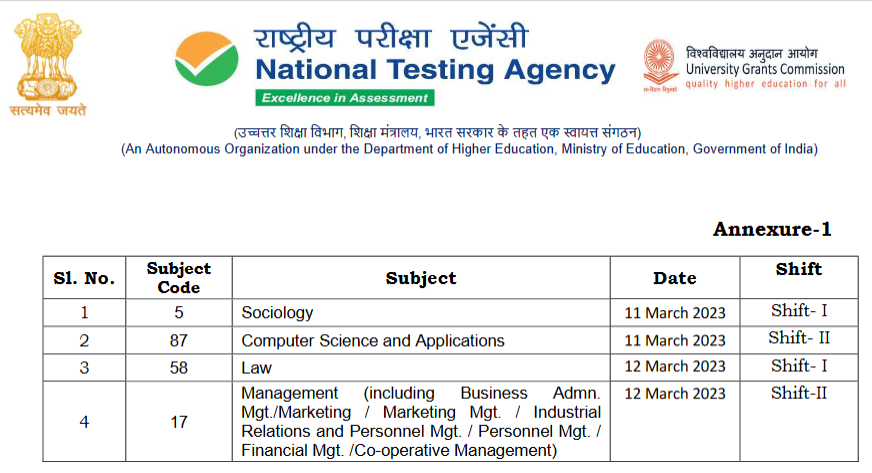
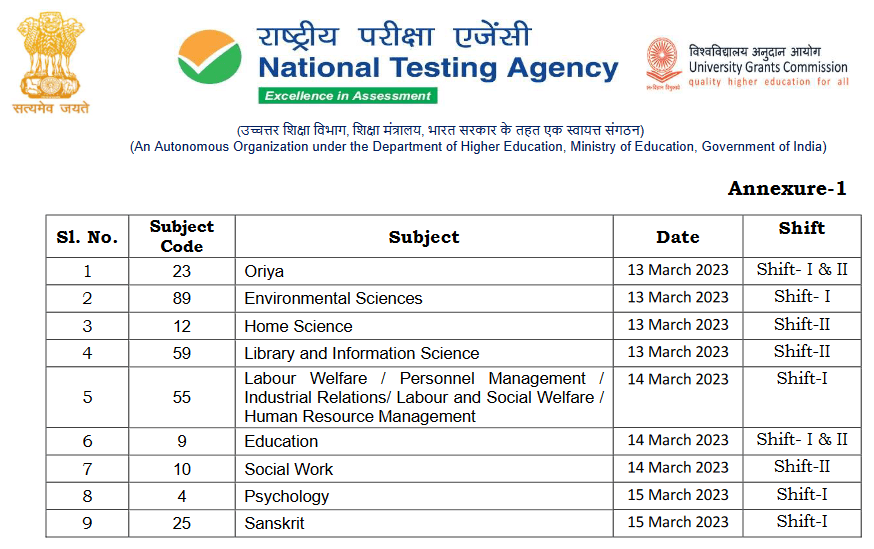
NTA UGC NET Results released on November 5, 2022. Candidates can check the result at ugcnet.nta.nic.in and nta.ac.in and ntaresults.nic.in.
The NTA UGC NET examination was conducted across the country on various dates- July 9, 11, 12, September 20, 21, 22, 23, 29, 30, October 1, 8, 10, 11, 12, 13, 14 and 22, 2022. The provisional answer key was released on October 24, 2022 and the final answer key was displayed on November 1, 2022.
Shri. Mamidala Jagadesh Kumar, UGC Chairman tweeted, “UGC-NET results will be announced by National Testing Agency (NTA) on 5th November (Saturday). The results will be available on NTA website https://nta.ac.in#UGC-NET”.
Congratulations to our Star Performers… Cracked NET…
1 JRF and 13 AP in various subjects….
List of candidates cleared….
Amit Kumar Biswal
Balwant Singh
Cyrus Joseph
Divya sri
Jemima
Padmapriya
Pirakathi Kiran
Renuka Devi
Sampath Kumar
Shoba Jasmine
Shruti
Sivashanmugam
Stalin Shelly
Vengadeshwari
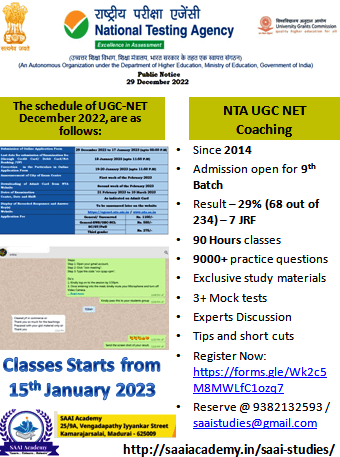
8 batches have been completed, in which, 234 professors and students participated. About 68 candidates qualified as Assistant Professors, out of 7 candidates who have cleared JRF (2015-22) in various subjects.
SAAI Academy is producing good results in NTA UGC NET by the way of updated materials, sequential online tests by the experts and through regular online classes…
A living fence is a system of fencing made of plants such as shrubs, herbs, small trees, etc. for protection of agriculture land or for protection around the house.
உயிர் வேலி என்பது சிறுசெடி, குற்றுச்செடி, மூலிகை செடி, சிறுமர வகைகள் முதலிய தாவரங்களை கொண்டு வேளாண்மைக்கோ அல்லது வீட்டை சுற்றி பாதுகாப்பிற்காக அமைக்கப்படும் வேலி முறையாகும்.
Benefits of living fencing
Living fence provides additional income to the farmers than manufactured or dead fence
It is not infected by termites and ants
It supports biodiversity
It provides fuel, green leaf manures, forage, food, fiber, shade, construction materials and medicine.
It act as a natural wind break to protect the cultivated plants.
உயிர் வேலி நன்மைகள்
விவசாயிகளுக்கு உற்பத்தி செய்யப்பட்ட அல்லது இறந்த வேலியை விட உயிர் வேலி கூடுதல் வருமானத்தை வழங்குகிறது.
இது கரையான் மற்றும் எறும்புகளால் பாதிக்கப்படாது
இது பல்லுயிர் பெருக்கத்தை ஆதரிக்கிறது
இது எரிபொருள், பசுந்தாள் உரங்கள், தீவனம், உணவு, நார்ச்சத்து, நிழல், கட்டுமானப் பொருட்கள் மற்றும் மருந்து ஆகியவற்றை வழங்குகிறது.
பயிரிடப்பட்ட தாவரங்களைப் பாதுகாக்க இது இயற்கையான காற்று தடுப்பானாக செயல்படுகிறது.
Plants used for fencing:
Hill mango (Commiphora caudata), Indian Coral tree (Erythrina Indica),White Gulmohar (Delonix regia (Hook.) Raf.), Dusky Fire Brand (Premna mollissima),Peacock Chaste Tree (Vitex negundo), Fence castor (Ricinus communis), Henna (Lawsonia inermis), Gliricidia (Gliricidia sepium), Vegetable hummingbird (Sesbania grandiflora), Spiral Cactus (Euphorbia tortilis), different types of cactus and Opuntia, etc.,
Choose healthy hill mango branches with 3-4 cm thickness from a two-year-old tree. Then fix the sticks to a height of 1.5 m. While cutting, the lower part should be inclined and the upper part should be level.
The sticks prepared in this way should be planted in 20 cm depth of 'V' shaped pits with 10 cm spacing and covered with soil. To prevent this fence from sagging, plant Portia (Thespesia populnea) or Indian ash tree (Lannea coromandelica) at a spacing of 5 meters from the starting place of fence.
The fence is strong by planting saplings like Indian ash tree and tying it well with long sticks. Roots develop and shoots appear 25 - 30 days after planting,
கிளுவை வேலி அமைக்கும் முறை:
இரண்டு வருடமான கிளுவை மரதிலிருந்து 3-4 cm தடிமனுள்ள நீளமான நல்ல கிளைகளை தேர்வு செய்ய வேண்டும். பின்பு அந்த குச்சிகளை 1.5 m உயரம் இருக்குமாறு சரி செய்து, வெட்டும் பொழுது அடி பாகம் சாய்வாகவும் மேல்பாகம் மட்டமாகவும் இருக்க வேண்டும். இவ்வாறு தயார் செய்யப்பட்ட குச்சிகளை 20 cm ஆழம் கொண்ட ‘ V ‘ வடிவில் வெட்டப்பட்ட குழியில் 10 cm இடை வெளியில் நடவு செய்து மண் கொண்டு மூடிவிடவேண்டும்.
இந்த வேலி சயாமல் இருக்க ஆரமிக்கும் இடத்திலிருந்து 5 மீட்டருக்கு ஒரு இடத்தில் பூவரசு, ஒதியன் போன்ற துளிர்க்கும் மர போத்துகளை நட்டு வேலியின் இருபக்கமும் நீளமான கம்புகளை கொண்டு வடம்பிடித்து (வடம்பு) நன்கு கட்டுவதன் மூலம் வேலி பலமாக இருக்கும். நடவுசெய்த 25 – 30 நாளில் வேர்கள் உருவாகி தள்ளிர்கள் தோன்றும்.
2. Herb Fence
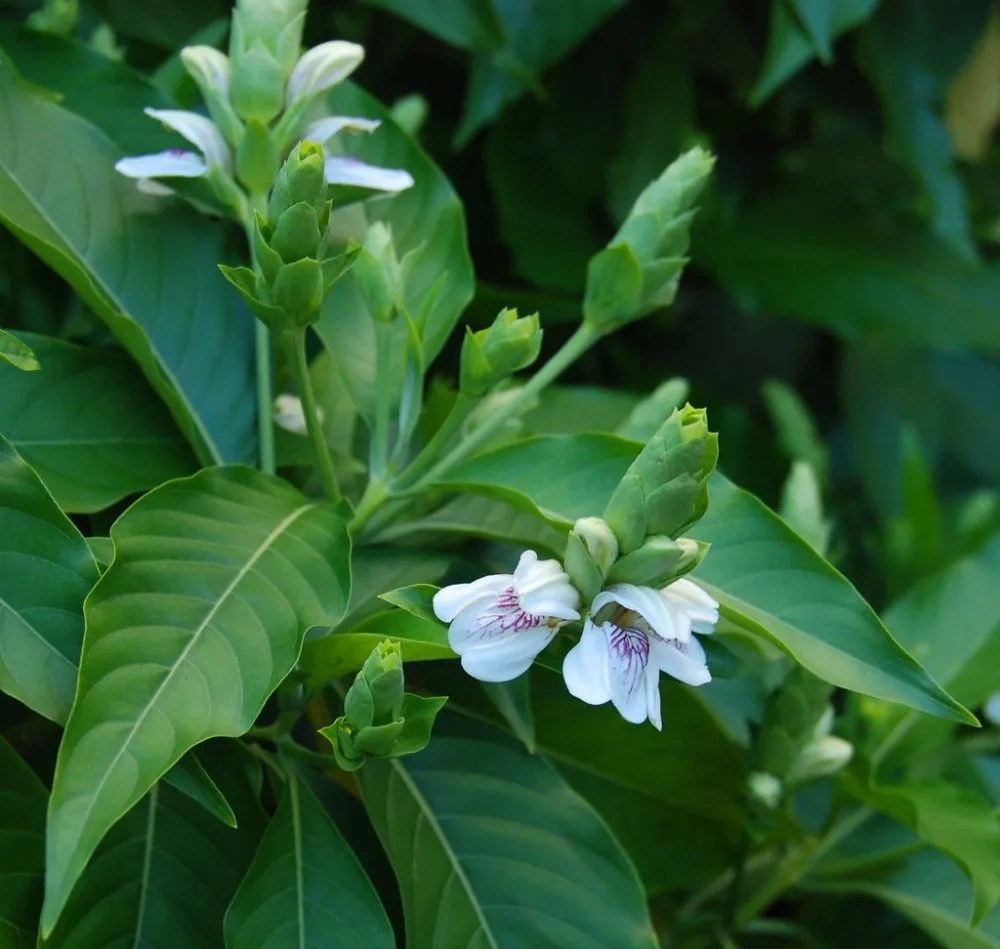
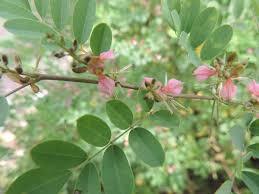
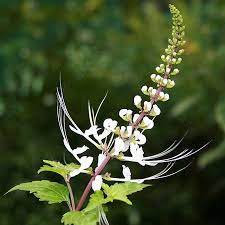
A method of fencing by combining several herbaceous plants. This method is often set up around the house. Indian Coral tree, White Gulmohar, Malabar nut (Adhatoda zeylanica), Peacock Chaste Tree, Fence castor, etc. plants should be planted in the same way as we planted hill mango before.
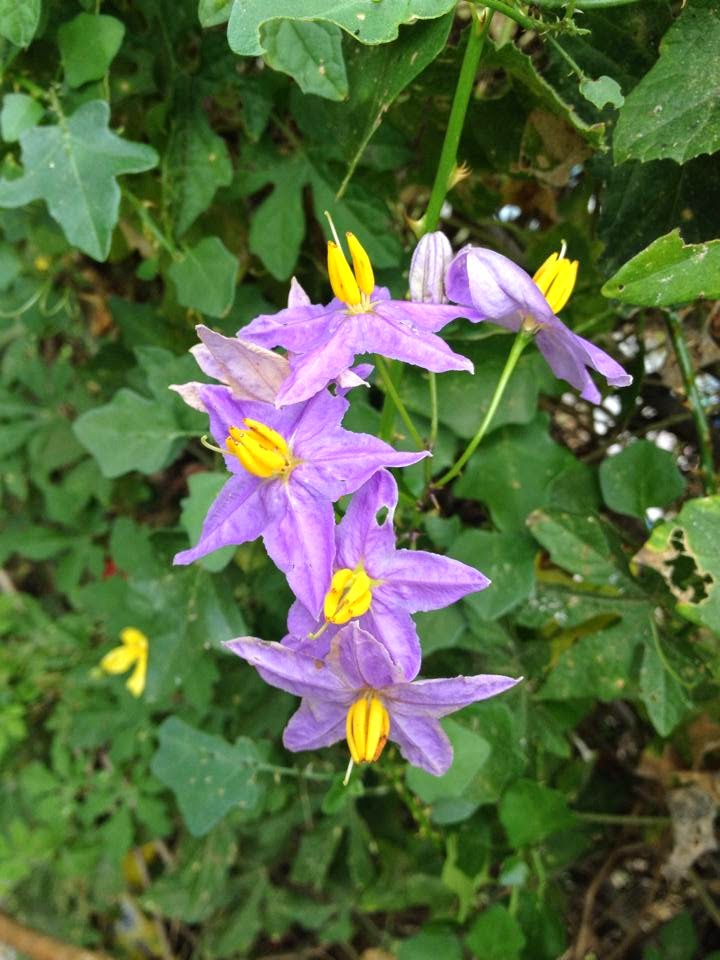
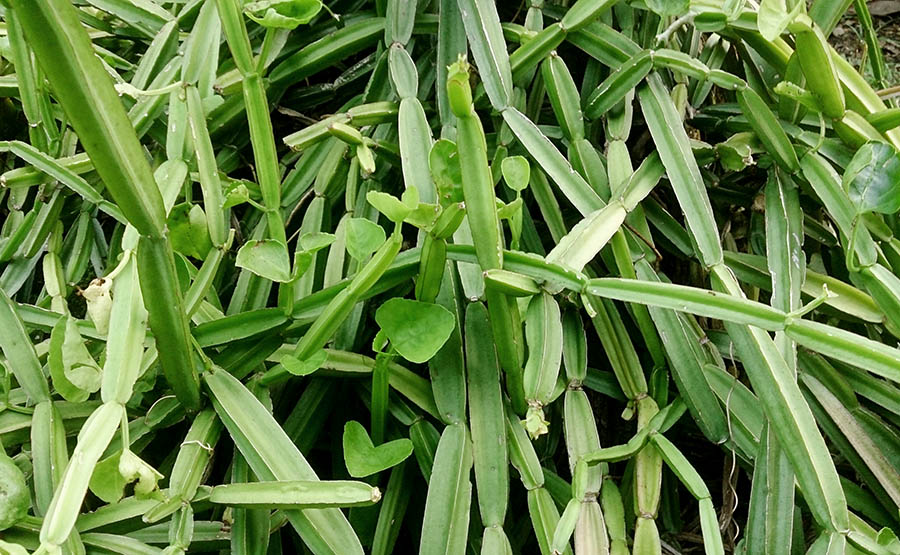
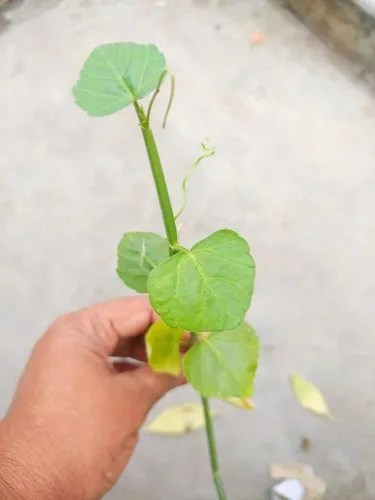
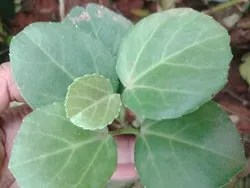
Plants like henna, Dusky Fire Brand, codyveli should be planted and grown as seedlings. By spreading herbs like Indian Borage (Coleus aromaticus), winged treebine (Cissus quadrangularis), Redpea Egg plant (Solanum trilobatum), Madras pea pumpkin (Mukia Maderaspatana) etc. on this fence, the fence becomes stronger and we also get the medicine what we need.
2. மூலிகை வேலி
பல மூலிகை தாவரங்களை ஒருங்கிணைத்து வேலி அமைக்கும் முறையாகும். இந்த முறை பெரும்பாலும் வீட்டை சுற்றிலும் அமைக்க படுகிறது. முள்ளுமுருங்கை, வாதநாராயணன், ஆடாதோடை, நொச்சி, வேலி ஆமணக்கு முதலிய தாவரங்களை முன் எவ்வாறு கிளுவை நட்டோமோ அதேபோல் நடவு செய்ய வேண்டும்.
மருதாணி, முன்னை, கொடிவேளி போன்ற தாவரங்களை பதியமிட்டு நாற்றாக வளர்த்து நடவு செய்ய வேண்டும். இந்த வேலியில் ஒமவள்ளி, பிரண்டை, தூதுவளை, முசுமுசுகை முதலிய மூலிகையினை படரவிடுவதன் மூலம் வேலி பலமாவதோடு நமக்கு தேவையான மருந்து பொருளும் கிடைக்கிறது.
3. Cactus Fencing
Select one of these plants like different types of cactus, Spiral Cactus and Opuntia. Cut it at a height of 50 cm. Prepare a 10 cm 'V' shaped pit and plant it on a pit. This type of fence method is mostly preferred in rainfed areas.
3. கள்ளி வேலி
தேர்கள்ளி, திருகுகள்ளி, கொடிகள்ளி, சப்பாத்திகள்ளி இவற்றில் ஏதாவது ஒரு கள்ளியை தேர்ந்தெடுத்து 50 cm உயரத்தில் வெட்டி எடுத்து வந்து 10 cm ‘V’ வடிவ குழி வெட்டி அதில் வைத்து நடவு செய்ய வேண்டும். இந்த கள்ளி உயிர்வேலி முறை பெரும்பாலும் மானாவாரி பகுதிகளில் பயன்படுத்துகிறார்கள்.
4. Fodder Fence
Cattle breeders for its protection, fodder fence is constructed with plants like Vegetable hummingbird, Subabul (Leucaena leucocephala), Gliricidia, Hedge Lucerne (Desmanthus virgatus). Cut 3cm thick branches from the Gliricidia and fix it to a height of 1.5 meters. These sticks should be planted at 5 meter intervals. Plant one or two Subabul seeds in the middle of these two sticks and sow Vegetable hummingbird seeds closely spaced at 10 cm intervals in between and water them once in three days.
At 45 days after planting, after the Vegetable hummingbird and Subabul grow 1.5 meters, the fence is strengthened by tying it well with long sticks.
This fodder fence provides protection to the cropping area and also fulfills the fodder requirement of the cattle.
4. தீவன வேலி
கால்நடை வளப்பவர்கள் அதன் பாதுகாப்பிர்க்காகவும் அதன் உணவுத்தேவையை பூர்த்தி செய்யும் வகையில் அமைக்கப்படும் வேலி முறையாகும். அகத்தி, சூபாபுல், கிளைரிசிடியா, வேலிமசால் போன்ற தாவரங்களை கொண்டு இந்த வேலி அமைக்கப்படுகிறது. அமைக்கும் முறை: கிளைரிசிடியா மரத்திலிருந்து 3 cm தடிமனுள்ள கிளைகளை வெட்டி எடுத்து அதை 1.5 மீட்டர் உயரம் இருக்குமாறு சரிசெய்து கொள்ளவும் வெட்டும்பொழுது அடிபாகம் சாய்வாகவும் மேல்பக்கம் மட்டமாகவும் இருக்க வேண்டும். இந்த குச்சிகளை 5 மீட்டருக்கு ஒன்று என நடவு செய்ய வேண்டும். இந்த இரு குச்சிகளின் நடுவில் ஒன்று அல்லது இரண்டு சூபாபுல் விதைகளை நடவு செய்து இதற்கு இடைப்பட்ட பகுதிகளில் அகத்தி விதைகளை 10 cm இடைவெளியில் நெருக்கமாக விதைத்து மூன்று நாட்களுக்கு ஒருமுறை நீர் பாசனம் செய்யுங்கள். நட்ட 45 நாளில் அகத்தியும் சூபாபுல்லும் 1.5 மீட்டர் வளர்ச்சி அடைந்த பிறகு நீளமான குச்சிகளை வைத்து வடம்பு பிடித்து கட்டுவதன் மூலம் வேலி பலப்படும். இந்த தீவன வேலி குறுப்பிட்ட இடத்திற்கு பாதுகாப்பு தருவததோடு கால்நடைகளின் உணவுதேவையையு ம் பூர்த்தி செய்கிறது.
Generally fencing should be done in July-August month. If this is the case, the fence will survive with rainwater itself. Similarly, pruning of living fence should be done in this month.
பொதுவாக வேலி அமைப்பது ஜூலை-ஆகஸ்ட் மாதமாக இருக்க வேண்டும். இவ்வாறு இருந்தால் வேலியானது பேயும் மழை நீரை வைத்தே உயிர்பிடித்துக்கொள்ளும். அதே போல் இந்த மாதத்தில் தான் கவாத்து செய்ய வேண்டும்.
இருமல் மற்றும் சளி குணமாக எளிய வீட்டு வைத்தியம்... நோய் எதிர்ப்பு சக்தியையும் அதிகரிக்கிறது...
Pandemic Covid-19 taught us many lessons about standard of living, food habits, our body immune system more over addiction towards hospital even for primary care treatment. Most of the people avoided to visit hospital during those pandemic period and managed their illness through home treatment.
வாழ்க்கைத் தரம், உணவுப் பழக்கவழக்கங்கள், முதன்மை பராமரிப்பு சிகிச்சைக்காக கூட மருத்துவமனையை நோக்கி ஓடுதல் மற்றும் நமது உடலின் நோயெதிர்ப்பு அமைப்பு பற்றிய பல பாடங்களை தொற்றுநோய் கோவிட்-19 நமக்குக் கற்றுக் கொடுத்தது.அந்த தொற்றுநோய் காலங்களில் பெரும்பாலான மக்கள் மருத்துவமனைக்குச் செல்வதைத் தவிர்த்து, வீட்டிலேயே சிகிச்சை மூலம் தங்கள் நோயைக் குணப்படுத்தினார்.
Our ancestors took food as medicine..
We are consuming poison as food…
நம் முன்னோர்கள் உணவை மருந்தாக எடுத்துக் கொண்டனர்...
நாம் விஷத்தை உணவாக உட்கொள்கிறோம்...
Pretty young mothers are visiting more than 5 times in a month to the hospital to treat their kids fever, stomach upset, common cold, cough etc., Breaking of joint family chain is also main reason for this. Even though, young mothers are also not having time and ear to hear the elders word.. Because, Doctors are their god..
அழகான இளம் தாய்மார்கள் தங்கள் குழந்தைகளுக்கு காய்ச்சல், வயிற்றுக் கோளாறு, ஜலதோஷம், இருமல் போன்றவற்றுக்கு சிகிச்சை அளிக்க ஒரு மாதத்தில் 5 முறைக்கு மேல் மருத்துவமனைக்குச் செல்வது வழக்கமாகிவிட்டது. கூட்டுக் குடும்பச் சங்கிலி உடைவதும் இதற்கு முக்கியக் காரணம். இருந்தாலும், இளம் தாய்மார்களுக்கு பெரியவர்கள் சொல்வதைக் கேட்க நேரமும், காதும் இருப்பதில்லை.. காரணம், மருத்துவர்கள்தான் அவர்களின் கடவுள்..
I am mother of 4 years child who drafting this article. We never visited hospital as of to treat the above said illness. Our kitchen and terrace garden is our hospital to treat those illness.
இந்தக் கட்டுரையை வரையும் நான் 4 வயது குழந்தைக்கு தாய். மேற்கூறிய நோய்க்கு சிகிச்சை அளிக்க நாங்கள் மருத்துவமனைக்கு சென்றதில்லை. அந்த நோய்களுக்கு சிகிச்சை அளிக்க எங்கள் சமையலறை மற்றும் மாடி தோட்டம் தான் எங்கள் மருத்துவமனை.
At the same time, We are not against allopathic medicines. It is necessary to treat secondary and tertiary issues with allopathic drugs.
அதே சமயம் நாங்கள் அலோபதி மருந்துகளுக்கு எதிரானவர்கள் அல்ல. இரண்டாம் நிலை மற்றும் மூன்றாம் நிலை சிகிசைக்கு அலோபதி மருந்துகளுடன் சிகிச்சை அளிப்பது அவசியம்.
25g mixed powder packs are available for sale
Let we see the ingredients required to prepare herbal powder to treat common Cold and cough.
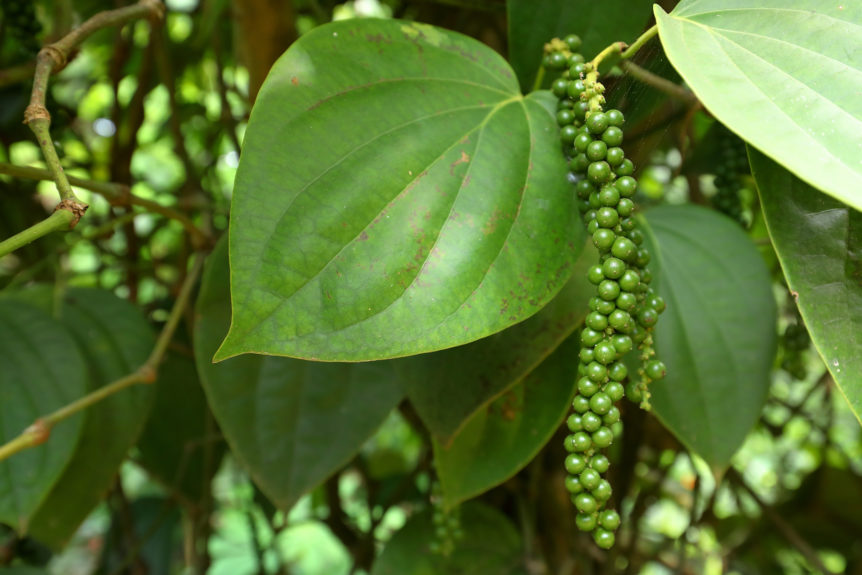
1. Pepper (50 g – 1 part)
2. Dry Ginger (50 g- 1 part)
3.Long pepper (25 g0.5 part)
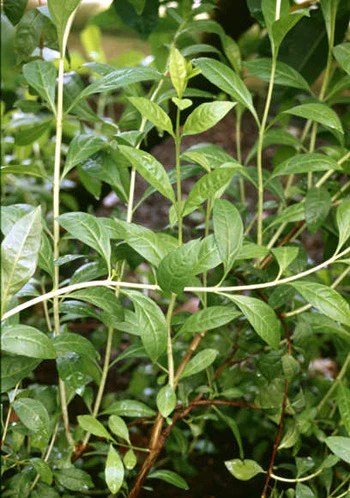
4.Lesser Galangal (50 g- 1 part)
5. Sweet wood (25 g- 0.5 part)
6. Akkarai (50g – 0.5 part)
7. Turmeric (25g – 0.5 part)
Sun dry it and slightly fry the above ingredients in a pan to avoid moisture content
Ginger, Galangal and sweet wood would be hard and difficult to grind it in mixer grinder. So, smash it with hammer or any hard article.
Powder it with the help of mixer grinder and sieve it.
Fine grinded powder will be stored in air tight container for daily use. If the powder is well dried, we can store it for 1 year in room temperature itself.
ஜலதோஷம் மற்றும் இருமலுக்கு சிகிச்சையளிக்க மூலிகைப் பொடியைத் தயாரிக்கத் தேவையான பொருட்களைப் பார்ப்போம். 1. மிளகு (50 கிராம் - 1 பகுதி)
2. சுக்கு (50 கிராம்- 1 பகுதி)
3. திப்பிலி (25 கிராம் 0.5 பகுதி)
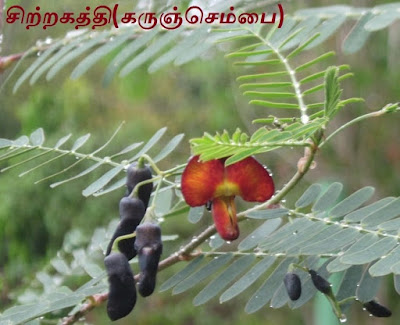
4. சித்தரத்தை (50 கிராம்- 1 பகுதி)
5. அதிமதுரம் (25 கிராம்- 0.5 பகுதி)
6. அக்கரை (50 கிராம்- 1 பகுதி)
7. மஞ்சள் (25 கிராம்- 0.5 பகுதி)
25g mixed powder packs available for sale
1. வெயிலில் காயவைத்து, ஈரப்பதத்தைத் தவிர்க்க - மேலே உள்ள பொருட்களை ஒரு பாத்திரத்தில் சிறிது வறுக்கவும்
2. சுக்கு, சித்தரத்தை மற்றும் அதிமதுரத்தை மிக்ஸியில் அரைப்பது கடினம். எனவே, அதை சுத்தியல் அல்லது கடினமான பொருள் கொண்டு உடைக்கவும்.
3. மிக்சி கிரைண்டர் மூலம் பொடி செய்து சலித்து கொள்ளவும்.
4. நன்றாக அரைத்த தூள் தினசரி உபயோகத்திற்காக காற்று புகாத கொள்கலனில் சேமிக்கலாம். தூள் நன்கு காய்ந்திருந்தால், அறை வெப்பநிலையில் 1 வருடம் வரை சேமிக்கலாம்.
Direction for the usage
Add a pinch of above prepared powder in a glass of boiled hot milk. Add a pinch of turmeric powder and required quantity of jaggery. Mix it well and serve it for your child daily in morning or evening hours. Continue it for 48 days. You will get good result. It will improve immunity power too.
பயன்பாட்டு வழிமுறைகள்
ஒரு கிளாஸ் சுடவைத்த சூடான பாலில் மேலே தயாரிக்கப்பட்ட தூளை ஒரு சிட்டிகை சேர்க்கவும். ஒரு சிட்டிகை மஞ்சள் தூள் மற்றும் தேவையான அளவு வெல்லம் சேர்க்கவும். இதை நன்றாக கலந்து, தினமும் காலை அல்லது மாலை நேரங்களில் உங்கள் குழந்தைக்கு கொடுக்கவும். தொடர்ந்து 48 நாட்கள் கொடுக்கவும். உங்களுக்கு நல்ல பலன் கிடைக்கும். நோய் எதிர்ப்பு சக்தியையும் மேம்படுத்தும்.
Suits for all age group and health condition அனைத்து வயதினரும் உட்கொள்ளலாம்
Adenium or desert rose is a flowering plant. Suitable for growing in containers. Plant caudex, leaves and flower in different attractive colors are loved by most of the adenium lovers. Being a desert plants, it likes dryness. Excessive moisture and water stagnation causes rotting.
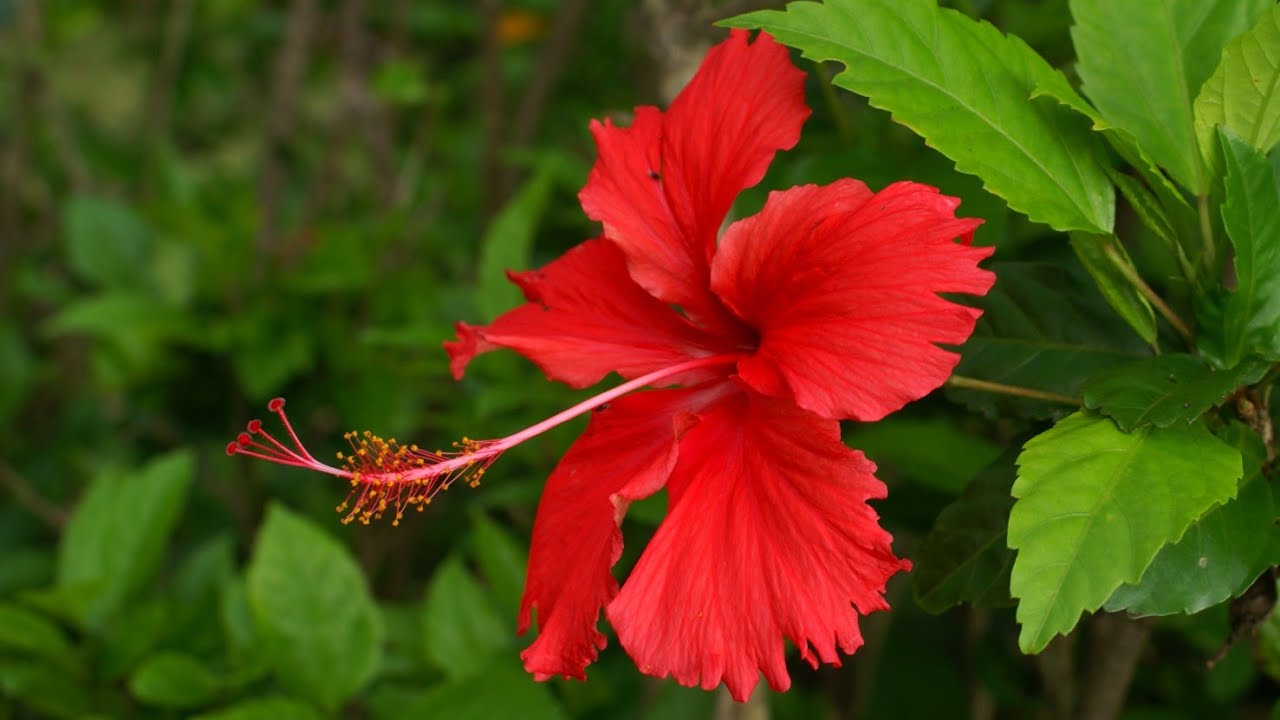
அடினியம் அல்லது பாலைவன ரோஜா ஒரு பூக்கும் தாவரமாகும். கொள்கலன்களில் வளர ஏற்றது. தாவர பருத்த தண்டு பகுதி, இலைகள் மற்றும் வெவ்வேறு கவர்ச்சிகரமான வண்ணங்களில் பூ ஆகியவை அடினியம் பிரியர்களால் மிகவும் விரும்பப்படுகின்றன. பாலைவன தாவரமாக இருப்பதால் வறட்சியை விரும்புகிறது. அதிகப்படியான ஈரப்பதம் மற்றும் நீர் தேக்கம் அழுகலை ஏற்படுத்துகிறது.
3 easy and effective steps to recover rotten Adenium plants
அழுகிய அடினியம் செடிகளை மீட்க 3 எளிதான மற்றும் பயனுள்ள படிகள்
Watch the performance of the plants everyday….No need to worry about shredding of leaves during winter or summer. But, regularly watch the plant health. Never leave the plant in water stagnation condition. Drainage is must. Despite, if you find the discoloration or browning or abnormal portion of caudex or roots, just scrub that area with your nail. If that portion looks green, your plant is healthy and no need to bother. Just apply one coat of any fungicide on the wounded area and let it be.
ஒவ்வொரு நாளும் தாவரங்களின் நலனைப் பாருங்கள்....குளிர்காலம் அல்லது கோடை காலத்தில் இலைகள் உதிர்வதை பற்றி கவலைப்படத் தேவையில்லை. இருப்பினும், தாவர ஆரோக்கியத்தை தவறாமல் கண்காணிக்கவும். தண்ணீர் தேங்கும் நிலையில் தாவரத்தை ஒருபோதும் விடாதீர்கள். வடிகால் அவசியம். இருப்பினும், காடெக்ஸ் அல்லது வேர்களின் நிறமாற்றம் அல்லது பழுப்பு அல்லது அசாதாரண பகுதியை நீங்கள் கண்டால், உங்கள் நகத்தால் அந்த பகுதியை சுரண்டி பார்க்கவும். அந்த பகுதி பச்சை நிறமாக இருந்தால், உங்கள் அடினியம் ஆரோக்கியமாக உள்ளது, கவலைப்பட தேவையில்லை. ஏதேனும் ஒரு பூஞ்சைக் கொல்லியை சுரண்டிய /காயம்பட்ட இடத்தில் தடவி அப்படியே விடவும்.
Your plant is infected if wounded area shown brown or black color like displayed in the picture. Carry on the following steps to recover your infected adenium plant.
படத்தில் காட்டப்பட்டுள்ளதைப் போன்று காயம்பட்ட பகுதி பழுப்பு அல்லது கருப்பு நிறத்தில் காணப்பட்டால் உங்கள் செடியில் தொற்று ஏற்பட்டுள்ளது. உங்கள் பாதிக்கப்பட்ட அடினியம் செடியை மீட்க பின்வரும் படிகளை பின்பற்றவும்.
Step 1: Uproot the plant immediately without disturbing the roots.
படி 1: வேர்களுக்கு இடையூறு இல்லாமல் உடனடியாக செடியை பிடுங்கவும்.
Step 2: Remove the infected area with the help of clean knife until white or green patch appears like in below picture.
படி 2: கீழே உள்ள படத்தில் உள்ளதைப் போல வெள்ளை அல்லது பச்சை நிற பகுதி தோன்றும் வரை சுத்தமான கத்தியின் உதவியுடன் பாதிக்கப்பட்ட பகுதியை அகற்றவும்.
Step 3: Apply any fungicide paste with the help of brush on the wounded area. Keep the treated plants in shady area without contact with any form of water.
படி 3: காயம்பட்ட இடத்தில் தூரிகையின் உதவியுடன் ஏதேனும் பூஞ்சைக் கொல்லி பேஸ்டை தடவவும். எந்த விதமான தண்ணீருடனும் தொடர்பு கொள்ளாமல், இந்த செடிகளை நிழலான இடத்தில் வைக்கவும்.
Remove the leaves with the support of knife/ scissor. Ensure the treated area is getting tough and drying after 2-3 days of treatment by pressing the treated area by our finger. If that area become soft – need to carry out the above 3 steps once more.
கத்தி அல்லது கத்தரியின் உதவியுடன் இலைகளை அகற்றவும். சிகிச்சையின் 2-3 நாட்களுக்குப் பிறகு, சிகிச்சையளிக்கப்பட்ட பகுதி கடினமாகி உலர்த்தப்படுவதை உறுதிசெய்ய, சிகிச்சையளிக்கப்பட்ட பகுதியை நம் விரலால் அழுத்தவும். அந்த பகுதி மென்மையாக மாறினால் - மேலே உள்ள 3 படிகளை மீண்டும் ஒருமுறை மேற்கொள்ள வேண்டும்.
We can keep this treated plant like this in a shady area for a month also.
இப்படி சிகிச்சை அளிக்கப்பட்ட செடியை நிழலான இடத்தில் ஒரு மாதம் வரை கூட வைத்திருக்கலாம்.
Treated plant again planted after a month. Now a healthy plant is blooming very happily.
சிகிச்சையளிக்கப்பட்ட செடி ஒரு மாதத்திற்குப் பிறகு மீண்டும் நடப்படுகிறது. இப்போது ஒரு ஆரோக்கியமான செடி மிகவும் மகிழ்ச்சியுடன் பூக்கிறது.
Proud to be a plant Doctor.
தாவர மருத்துவர் என்பதில் பெருமை கொள்கிறோம்
Happy Greening… P. Dheivanai, M.Sc. (Ag.), Plant Pathology, 9382132593
Useful to formulate various methods for successful management of plant diseases to improve the quantity and quality of the farm products.
Correlation of information about etiology, symptoms and characteristics of pathogens leads sustainable way of plant disease management.
Steps involved in plant disease management is vary from disease to disease. It depends upon the host, pathogen type, biotic and abiotic factors associated with the concern disease.
தாவர நோய் மேலாண்மையின் முக்கியத்துவம்
பண்ணை விளைபொருட்களின் அளவு மற்றும் தரத்தை மேம்படுத்த தாவர நோய்களை வெற்றிகரமாக கையாள்வது மற்றும் பல்வேறு முறைகளை வகுத்து தாவர நோய்களை கட்டுப்படுத்துவது பயனுள்ளதாக இருக்கும்.
நோயியல், அறிகுறிகள் மற்றும் நோய்க்கிருமிகளின் பண்புகள் பற்றிய தகவல்களின் தொடர்பு, தாவர நோய் மேலாண்மைக்கான நிலையான வழிக்கு வழிவகுக்கிறது.
தாவர நோய் மேலாண்மையில் உள்ள படிநிலைகள் நோய்க்கு நோய் வேறுபடும். இது நோயுடன் தொடர்புடைய நோய் கடத்தி, நோய்க்கிருமி வகை, உயிரியல் மற்றும் உயிரற்ற காரணிகளைப் பொறுத்தது.
Principles of Plant Disease Management
தாவர நோய் மேலாண்மை கொள்கைகள்
Avoidance: Avoid the contact between host vs. pathogen through find out the geographical area, farming land selection, time of planting, disease resistant varieties, prevent disease spreading vectors and weed/alternate hosts.
1. தவிர்த்தல்: புவியியல் பகுதி, விவசாய நிலங்களைத் தேர்வு செய்தல், நடவு செய்யும் நேரம், நோய் எதிர்ப்புத் திறன் கொண்ட இரகங்கள், நோய் பரப்பும் நோய்க்கிருமிகள் மற்றும் களை/மாற்று நோய் பரப்பும் தாவரம் ஆகியவற்றைக் கண்டறிவதன் மூலம் தாவரம் மற்றும் நோய்க்கிருமிகளுக்கு இடையேயான தொடர்பைத் தவிர்த்தல்.
2.Exclusion: Prevent the entry and development of pathogens in disease free crops in an uninfected area. Quarantine, inspection and certification, seed treatment, choosing disease free seed and planting materials are the possible way in exclusion.
2. விலக்கு: நோய் பாதிக்காத பகுதியில் நோயற்ற பயிர்களில் நோய்க்கிருமிகளின் நுழைவு மற்றும் வளர்ச்சியைத் தடுத்தல். தனிமைப்படுத்தல், ஆய்வு மற்றும் சான்றளித்தல், விதை நேர்த்தி செய்தல், நோய் இல்லாத விதை மற்றும் நடவுப் பொருட்களைத் தேர்ந்தெடுப்பது ஆகியவை நோய் விலக்குவதற்கான சாத்தியமான வழி.
3.Eradication: Eradication of pathogen once it developed in the plants or farm. Crop rotation, cleanliness, roguing, soil treatment, chemical control, use of bio control agents, heat treatment will eliminate the disease from plant and field.
3. ஒழிப்பு:தாவரத்திலோ பண்ணையிலோ நோய்க்கிருமி வளர்ந்த பிறகு அதை ஒழித்தல். பயிர் சுழற்சி, தூய்மை, நோயுற்ற பயிர்களை களைதல், மண் நேர்த்தி, இரசாயன கட்டுப்பாடு, உயிர் கட்டுப்பாட்டு உயிரிகள் பயன்பாடு, வெப்ப சிகிச்சை ஆகியவை தாவரங்கள் மற்றும் வயலில் இருந்து நோயை அகற்றும்.
4. Protection: Protect the susceptible host from the pathogen. Advance application of disease control agents protect the plants from pathogens. Eg. Seed treatment with bio control agents or fungicides
4. பாதுகாப்பு: நோய்க்கிருமியிலிருந்து பாதிக்கப்படக்கூடிய பயிரினை பாதுகாக்கவும். நோய்க் கட்டுப்பாட்டு முறைகளை முன்கூட்டியே பயன்படுத்துவதன் மூலம் தாவரங்களை நோய்க்கிருமிகளிடமிருந்து பாதுகாக்கலாம்.எ.கா. உயிரி கட்டுப்பட்டு முறைகள் அல்லது பூஞ்சைக் கொல்லிகளுடன் விதை நேர்த்தி செய்தல்
5.Host resistance/Immunization: Development of resistant varieties of plants against various pathogen suppress the establishment of pathogens.
5.நோய் எதிர்ப்பு/நோய்த்தடுப்பு பயிரினை பயிரிடுதல்: பல்வேறு நோய்க்கிருமிகளுக்கு எதிராக எதிர்ப்புத் திறன் கொண்ட தாவர வகைகளை உருவாக்குவது நோய்க்கிருமிகளின் உருவாக்கத்தை அடக்குகிறது.
6.Therapy: Treat the plants to inactivate the pathogen through Chemotherapy (Chemical fungicides or bactericides), thermotherapy (Mulching with polycovers), etc.,
6. சிகிச்சை: கீமோதெரபி (மருந்து கொண்டு நோய் நீக்கும் முறை - இரசாயன பூஞ்சைக் கொல்லிகள் மற்றும் பாக்டீரிசைடுகள்), தெர்மோதெரபி (வெப்பம் கொண்டு நோய் நீக்கும் முறை - நெகிழி மூடாக்கு இடுதல்) போன்றவற்றின் மூலம் நோய்க்கிருமியை செயலிழக்கச் செய்ய தாவரங்களில் செய்யப்படும் சிகிச்சை.
P. Dheivanai, M.Sc. (Ag.), Plant Pathology, 9382132593, SAAI Academy
• Maintain hygiene in farm: effective method to manage diseases. It prevent the pathogen from outside to the crop. All input materials, containers, or equipment should be clean and pathogen free.
பண்ணையில் சுகாதாரத்தைப் பேணுதல்: நோய்களைக் கட்டுப்படுத்த பயனுள்ள முறை. இது வெளியில் இருந்து பயிருக்கு நோய்க்கிருமியை தடுக்கிறது. அனைத்து உள்ளீட்டு பொருட்கள், கொள்கலன்கள் அல்லது உபகரணங்கள் சுத்தமாகவும் நோய்க்கிருமிகள் இல்லாததாகவும் இருக்க வேண்டும்.
• Control entry: Insect vectors carrying pathogen are easily enter in to the field through clothing and shoes. Clean cloths and shoes are recommended.
நுழைவு கட்டுப்பாட்டு: நோய்க்கிருமியைச் சுமந்து செல்லும் பூச்சிக் கிருமிகள் ஆடை மற்றும் காலணிகள் மூலம் எளிதில் வயலில் நுழைகின்றன. சுத்தமான துணி மற்றும் காலணிகள் பரிந்துரைக்கப்படுகிறது.
• Disease tolerant varieties: Cultivation of disease tolerant varieties – production won’t be affected even during mild infection. CO 47 rice variety – Resistant to Blast
• நோயைத் தாங்கும் இரகங்கள்: நோயைத் தாங்கும் இரகங்களை பயிரிடுதல் - லேசான தொற்று ஏற்பட்டாலும் உற்பத்தி பாதிக்கப்படாது. CO 47 அரிசி வகை - குலைநோய் எதிர்ப்பு வகை
• Selection of seed: Select healthy seeds preferably from disease free plants to avoid seed borne diseases.
• விதைத் தேர்வு: விதை மூலம் பரவும் நோய்களைத் தவிர்க்க, நோயற்ற தாவரங்களிலிருந்து ஆரோக்கியமான விதைகளைத் தேர்ந்தெடுப்பது நல்லது.
• Seed treatment: Soak seeds in a solution containing 150 g Trisodium orthriphosphate per litre of water for 30 minutes to inhibit seed borne inoculum.
• விதை நேர்த்தி: ஒரு லிட்டர் தண்ணீருக்கு 150 கிராம் டிரைசோடியம் ஆர்த்ரிபாஸ்பேட் கலந்த கரைசலில் விதைகளை 30 நிமிடம் ஊறவைத்து விதை மூலம் பரவும் நோய்களை தடுக்கவும்.
• Nylon mesh net: Seedling nursery should be raised under nylon mesh net to prevent infestation of insect vector responsible for carrying pathogen inoculum.
நைலான் கண்ணி வலை: நோய்க்கிருமிகளை சுமந்து செல்லும் பூச்சிகளின் தாக்குதலைத் தடுக்க நைலான் கண்ணி வலையின் கீழ் நாற்றங்கால் வளர்க்க வேண்டும்.
• Bio-barrier: Raise 2-3 rows of barrier crops like maize/sorghum along the borders of crop. This restricts the entry of insect vectors in the field.
• தடுப்புப் பயிர்: மக்காச்சோளம்/சோளம் போன்ற தடுப்புப் பயிர்களை 2-3 வரிசை பயிர்களின் எல்லைகளில் வளர்க்கவும். இது வயலில் பூச்சிக் கிருமிகள் நுழைவதைத் தடுக்கிறது.
• Dates of sowing: Plan sowing/transplanting of seedlings to main field when weather is not favourable for pathogen.
விதைக்கும் தேதிகள்: நோய்க்கிருமிக்கு வானிலை சாதகமாக இல்லாதபோது, நாற்றுகளை வயலில் விதைத்தல்/நடவு செய்தல் ஆகியவற்றை திட்டமிடுங்கள்
• Reflective mulches: Use reflective mulches in field to prevent incidence of insect vectors responsible for transmitting pathogen.
பிரதிபலிப்பு/நெகிழி மூடாக்கு: நோய்க்கிருமியை கடத்துவதற்கு காரணமான பூச்சிகளின் நடமாட்டத்தைத் தடுக்க வயலில் பிரதிபலிப்பு மூடாக்கு பயன்படுத்தவும்.
• Roguing: Uproot and burn infected plants to avoid further spread of the disease in field. Infected plants act as primary source of inoculum.
அகற்றுதல் / களைதல்: வயலில் நோய் மேலும் பரவாமல் இருக்க பாதிக்கப்பட்ட செடிகளை வேரோடு பிடுங்கி எரிக்கவும். பாதிக்கப்பட்ட தாவரங்கள் நோய் கிருமியின் முதன்மை ஆதாரமாக செயல்படுகின்றன.
• Removal of weeds: Field and surrounding areas should be kept clean and free from weeds as they harbour pathogens.
களைகளை அகற்றுதல்: வயல் மற்றும் சுற்றுப்புற பகுதிகள் களைகள் இல்லாமல் சுத்தமாக வைத்திருக்க வேண்டும்.
• Avoid mono-cropping: Avoid monoculture of vegetable crops in large area as continuous monoculture, or monocropping, where the same species is grown year after year, can lead to quicker buildup of pests and diseases, and then spread rapidly where a uniform crop is susceptible to a pathogen.
ஒற்றைப் பயிரைத் தவிர்க்கவும்: அதிக பரப்பளவில் காய்கறி பயிர்களை ஒற்றைப்பயிர் சாகுபடியைத் தவிர்க்கவும், அல்லது ஒற்றைப் பயிர் சாகுபடி, அதே இனத்தை ஆண்டுதோறும் பயிரிடுவது பூச்சிகள் மற்றும் நோய்களின் விரைவான வளர்ச்சிக்கு வழிவகுக்கும், பின்னர் நோய்க்கிருமிக்கு ஒரே மாதிரியான பயிர் பாதிக்கப்படக்கூடிய இடங்களில் வேகமாக பரவுகிறது. .
• Chemical control: Spray chemicals to manage the pathogen and disease. Eg. Mancozeb, maneb, nabam, zineb. Benomyl, cycloheximide, triadimefon, metalaxyl, thiabendazole.
இரசாயன கட்டுப்பாடு: நோய்க்கிருமி மற்றும் நோயை நிர்வகிக்க ரசாயனங்களை தெளிக்கவும். எ.கா. மான்கோசெப், மனேப், நபம், ஜினெப். பெனோமைல், சைக்ளோஹெக்சிமைடு, ட்ரைடிமெஃபோன், மெட்டாலாக்சில், தியாபெண்டசோல்.
• Transgenic approaches: Genetic engineering (GE) aids in identification and introduction of resistance gene from different plants and pathogens in to crops for imparting resistance to particular pathogenic disease.
மரபணு மாற்று அணுகுமுறைகள்: மரபணு பொறியியல் (GE) குறிப்பிட்ட நோய்க்கிருமி நோய்களுக்கு எதிர்ப்பை வழங்குவதற்காக பயிர்களுக்கு வெவ்வேறு தாவரங்கள் மற்றும் நோய்க்கிருமிகளின் எதிர்ப்பு மரபணுவை அடையாளம் கண்டு அறிமுகப்படுத்த உதவுகிறது.
P. Dheivanai, M.Sc. (Ag.), Plant Pathology, 9382132593, SAAI Academy