Preparation of Seed balls is useful farming technique in the way of introducing greenery to land by throwing or dropping them. Seed balls help to promote green space in the earth. These balls can perform well anywhere during rainy season.
விதைப் பந்துகளைத் தயாரிப்பது, அவற்றை எறிந்து அல்லது
நடுவதன் மூலம் நிலத்தில் பசுமையை அதிகப்படுத்தும் விதத்தில் பயனுள்ள விவசாய நுட்பமாகும். விதைப்பந்துகள் பூமியில் பசுமையான இடத்தை மேம்படுத்த உதவுகின்றன. இந்த பந்துகள் மழைக்காலத்தில் சிறப்பாக உபயோகப்படும்.
Can store seed balls up to 6 months in a sealed container. With rain water or irrigation, efficient sun and warmth – conducive climate the seeds inside the ball will start to germinate within 4 – 5 weeks. Seed balls should be throw during July – January in tropical countries. Steps to prepare the seed ball is as follows,
சீல் செய்யப்பட்ட கொள்கலனில் விதைப்பந்துகளை 6 மாதங்கள் வரை சேமிக்கலாம். மழை நீர் அல்லது நீர்ப்பாசனம், சூரியஒளி மற்றும் வெப்பம் - சாதகமான தட்பவெப்பநிலை ஆகியவற்றால் பந்தின் உள்ளே உள்ள விதைகள் 4 - 5 வாரங்களுக்குள் முளைக்க ஆரம்பிக்கும். வெப்பமண்டல நாடுகளில் ஜூலை - ஜனவரி மாதங்களில் விதைப் பந்துகளை வீச வேண்டும். விதைப்பந்து தயாரிப்பதற்கான படிகள் பின்வருமாறு:
1 part of clay : 1 part of red soil or garden soil : 1 part of Vermicompost or compost (These materials should be free from husk, stone and relatively fine textured)
களிமண்ணின் 1 பகுதி : சிவப்பு மண் அல்லது தோட்ட மண்ணின் 1 பகுதி : மண்புழு உரம் அல்லது தொழுஉரம் 1 பகுதி (இந்தப் பொருட்கள் உமி, கல் இல்லாமல், நுண்ணிய துகள்களாக இருக்க வேண்டும்)
Mix it eventually
ஒரே மாதிரியாக கலக்கவும்
Add required quantity of water slowly and mix it without any lumps.
தேவையான அளவு தண்ணீரை மெதுவாக சேர்த்து கட்டிகள் இல்லாமல் பிசையவும்.
Don’t add excess water or less water. Consistency of the component is important to make a ball. If we form a laddu – it should come in a perfect shape as shown in below picture.
அதிக தண்ணீர் அல்லது குறைந்த தண்ணீர் சேர்க்க வேண்டாம். ஒரு பந்தை உருவாக்க நிலைத்தன்மை முக்கியமானது. நாம் ஒரு லட்டுவை உருவாக்கினால் - அது கீழே உள்ள படத்தில் காட்டப்பட்டுள்ளபடி சரியான வடிவத்தில் வர வேண்டும்.
Take a small bits of the mixture and make a small ball. Diameter of the ball depends on the size of the seeds. Big size seeds requires large size ball rather small size balls require for smaller size seeds.
கலவையின் ஒரு சிறு துண்டினை எடுத்து ஒரு சிறிய உருண்டையை உருவாக்கவும். பந்தின் விட்டம் விதைகளின் அளவைப் பொறுத்தது. பெரிய அளவிலான விதைகளுக்கு பெரிய அளவிலான பந்துகள் தேவை, ஆனால் சிறிய அளவிலான விதைகளுக்கு சிறிய அளவிலான பந்துகள் தேவை.
The UGC NET Exam Dates are scheduled for 9th, 11th, 12th July as phase 1 & 12th, 13th & 14 August 2022 as phase 2. Each day is held in two shifts from 9 AM to 12 PM and 3 PM to 6 PM. Phase 1 exams were completed and Phase 2 of UGC NET examination will be carried out on August 12, 13, and 14. Paper 1 is same for all and Paper 2 is subject-specific for 82 subjects.
NTA UGC NET July 2022 Paper 1 Question Paper Analysis: Shift 1 & 2
Teaching Aptitude: Value Education Assertion Reason ,Effective Teaching ,Classroom Teaching & Idealism, Characteristics of Teaching, Behaviourism Theory (Skinner), Direct and Indirect Teaching, Traditional Teaching Support System, Evaluation, Levels of Teaching, Teaching Skills
Research Aptitude: Types of Research , Quantitative & Qualitative Research, Positivism and Post Positivism, Research Ethics, APA Style of Referencing, Z -Test and T-Test, Qualitative and Quantitative Research, Action Research.
Comprehension: Unseen passage on Budget, Finance-related Comprehension
Data Interpretation: Based on Quantitative and Qualitative Data, Covid Same PYQ
Mathematical reasoning: Ratio, Average, Profit and Loss, Syllogism, Ratio, Average, Percentage, Number System, Simple Interest, Time & Speed, Selling Price & Cost Price, Number series, Letter Series, Codes and Relationships
Communication: Non-Verbal Communications, Characteristics of Communication, Models of Communication, Barriers of Communication, Cluster Network, Classroom Communication (Statement Based), Mass Media & Society Classroom Communication, Communication Barrier / Mode, Effective Communication, Formal, linear Communication, Non linear & Interaction Matching, Oral Communication & Steps of Communication
People, Development and Environment: SDG 5 & 6, MDG, Biomass, Ecosystem, Energy Source, Kyoto protocol, Disaster, COP 25, Montreal Protocol, SDB Global and Internal Target: Gender Equality, Diseases Target, Solar Energy, Hydro-power, Renewable Energy, Green Hydrogen, Water Pollution & Treatment (Sludge Treatment ), Govardhan ,Jal Jeevan Government Scheme, Photo-chemical, Smog, Hurricane Speed, COVID Virus Name -SARS COV -2
Higher Education System: NEP, Government Scheme, AICTE, NIRF, New Education Policy, Government Schemes, Swayam Prabha, CARE related Question, Copyright, British Education, Pre/Post Independence, SPSS Full form, NCVET Full form, Coordinator of Vocational Education, SWAYAM Quadrants & Coordinator, Lord Curzen Commission
Information and Communication Technology (ICT): Video Conferencing, Conversion from Megabyte to Gigabyte, Frontier Super Computer, Memory Hierarchy, Conversion of Binary into Decimal, Conversion – Bit & Byte, Abbreviation – WORM, Chronology, Wireless Technology, FTP, Virtual Learning, Memory of Computer, Computer Generation, Circuit, 16 GB Conversion, ASCII, Number system, RAM, JPG Format, Full form of MOODLE, Optic Fibre & DVD R & DVD Raw, Malware Virus
Overall level of Questions – Easy to Moderate
SWAYAM (Study Webs of Active-Learning for Young Aspiring Minds) is a MOOC (Massive open online courses ) that offers courses in various fields like engineering, humanities, social sciences, etc.
This program is initiated by the Government of India(i.e it is not a Non-Governmental Organization) and designed to achieve the three cardinal principles of Education Policy viz., access, equity, and quality. The objective is to take the best teaching-learning resources to all, including the most disadvantaged. It is an open online course (i.e. it is not an online platform) All the courses are interactive, prepared by the best teachers in the country, and are available, free of cost to any learner. The courses hosted on SWAYAM are in 4 quadrants – Video lecture, Specially prepared reading material that can be downloaded/printed Self-assessment tests through tests and quizzes, and An online discussion forum for clearing the doubts. Various steps have been taken to enrich the learning experience by using audio-video and multimedia and state of the art pedagogy/technology. It is an integrated online learning platform for online courses. It is an Indian massive open online course platform. It was launched on July 9, 2017. It was designed to achieve the three-cardinal principle of Education policy, i.e., access, equity, and equality.
National Coordinators
Course provided by them
AICTE (All India Council for Technical Education)
For self-paced and international courses
NITTTR (National Institute of Technical Teachers Training & Research)
Teacher Training Program
IGNOU (Indira Gandhi National Open University)
Out of school students
NIOS (National Institute of Open Schooling)
For school education
IIM B(Indian Institute of Management, Bangalore)
Management studies
NCERT (National Council for Educational Research Training)
For school education
UGC (University Grants Commission)
Non-technical post-graduation education
NPTEL (National Program on Technology Enhanced Learning)
Engineering
CEC (Consortium for Educational Communication)
For undergraduate education
Nine National Coordinators are appointed to ensure that the best quality content is produced and delivered. They are:
AICTE (All India Council for Technical Education) for self-paced and international courses.
NPTEL (National Programme on Technology Enhanced Learning) for Engineering.
UGC (University Grants Commission) for nontechnical post-graduation education.
CEC (Consortium for Educational Communication) for undergraduate education.
NCERT (National Council of Educational Research and Training) for school education.
NIOS (National Institute of Open Schooling) for school education.
IGNOU (Indira Gandhi National Open University) for out-of-school students.
IIMB (Indian Institute of Management, Bangalore) for management studies.
NITTTR (National Institute of Technical Teachers Training and Research) for Teacher Training program.
Which of the following is not a greenhouse gas?
Carbon dioxide
Sulphur dioxide
Methane
Nitrous Oxide
Option 2 : Sulphur dioxide
The major greenhouse gases are
Water vapour – causes about 36% – 70% of the greenhouse effect
Carbon dioxide (CO2) which causes 9 – 26%
Methane (CH4) causes 4 – 9%
Ozone (O3)
Nitrous Oxide
Chlorofluorocarbons (CFCs)
Values of radiation absorbed by the greenhouse gases are as follow:
Gas
Value of absorption in percentage
Ozone
10.2 %
Methane
16.3 %
Carbon Dioxide
56.4 %
Nitrous Oxide
5.4 %
From the above table it is clear that carbon dioxideabsorbs the maximum radiation in the earth’s atmosphere
This page facilitates about the important sub topics on NTA UGC NET.
Important topics
Unit 1: Drama – Origin and development, Different periods of development of English drama, Theatre evolved in England, Qualities of Elizabethian drama, Condition and places of Elizabethian stage, Fame of drama among the people and Why drama was banned in England. Unit 2: Poetry Unit 3: Short story, Fiction Unit 4: Prose (Non-Fictional) Unit 5: Language: Basic concepts, Theories and Pedagogy (English in use) Unit 6: English in India: History, Evolution and Futures Unit 7: Cultural studies Unit 8: Literacy Criticism Unit 9: Literacy Theory – Post World War II Unit 10: Research methods and Materials in English
Important Sub topics
· Chaucer to Shakespeare
· Jacobean to Restoration periods
· Romantic period
· 18th Century literature – Augustan Age
· Modern Period
· Victorian period
· American and Non-British literature
· Contemporary period
· Rhetoric and Prosody
· Literary Theory and Criticism
· Modern British Literature
· Victorian and Pre-Raphaelites
· Contemporary theory
· Literary Theory and Criticism up to T.S.Eliot
· European literature from classical age to the 20th century
· History of English language
· English language Teaching · Indian writing in English and Indian Literature in English Translation
The UGC NET exam date 2022 for the UGC NET June 2022 and December 2021 cycle has been notified on 25th June 2022 at the official website.
The dates for the conduct of Examination for UGC-NET December 2021 and June 2022 merged cycles have now been finalized from 8th July 2022 to 14th August 2022.
Mode of Exam: Online – CBT (Computer Based Test)
Exam Duration: 180 minutes
Exam Time: Shift 1 – 09:00 am to 12:00 noon and Shift 2 – 03:00 pm to 06:00 pm
Language/Medium of Exam: English and Hindi
No. of Subjects: 82
Exam Purpose: Determine the eligibility of candidates for posts of only Assistant Professor or both Junior Research Fellowship (JRF) and Assistant Professor in Indian universities and colleges
No. of Test Cities: 239
For any queries: Candidates can contact NTA Help Desk at 011 40759000 or write to NTA at ugcnet@nta.ac.in.
Every plants requires balanced nutrients for it’s growth and development. These nutrients are classified as macro and micro nutrients according to its usage. Macro nutrients are required by the plants in larger quantity whereas the proportion of micro-nutrients are very smaller. Generally, plants are availing 14 types of nutrients from soil. Insufficient or over dosage of these nutrients cause physiological disorder in plants.
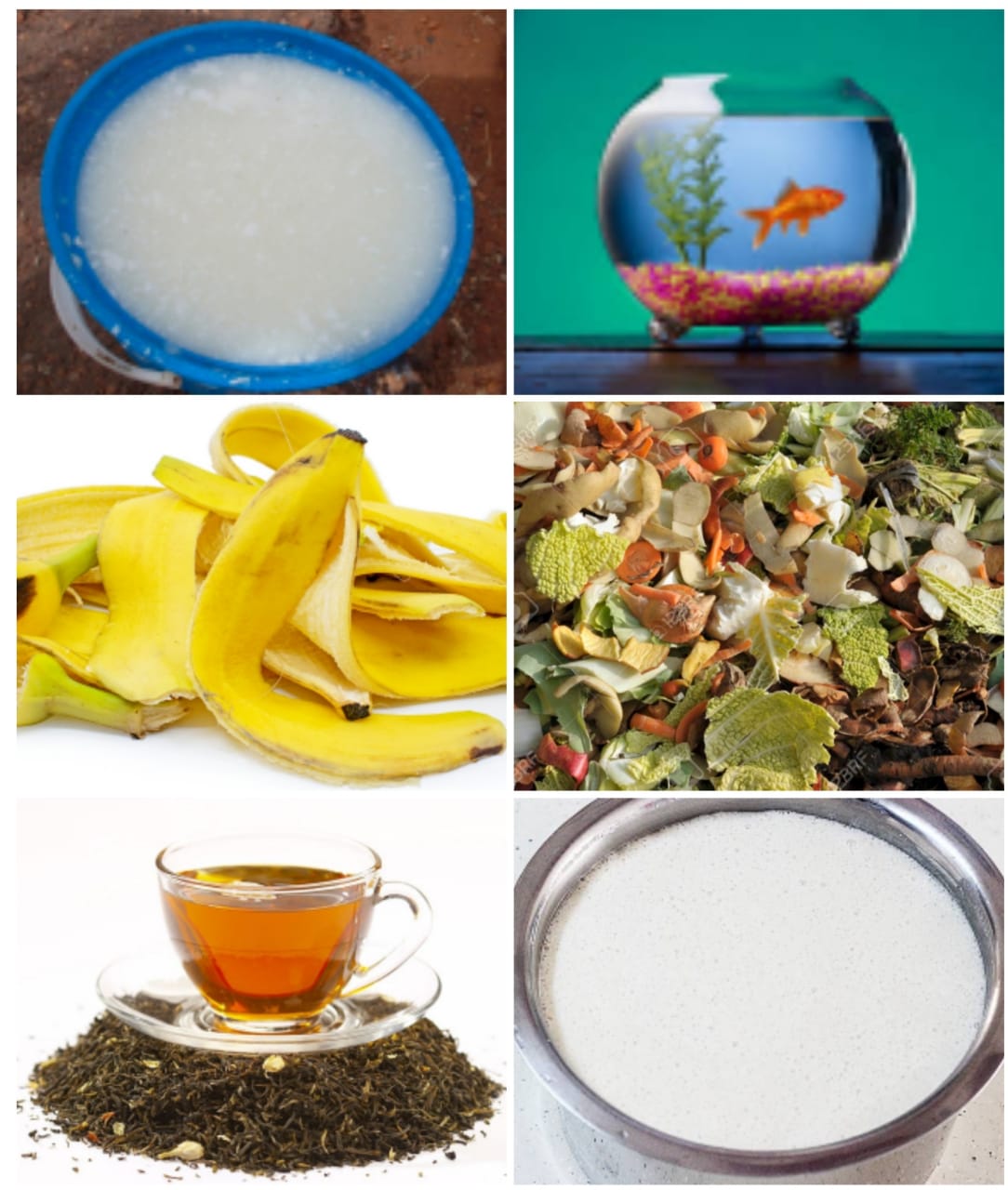
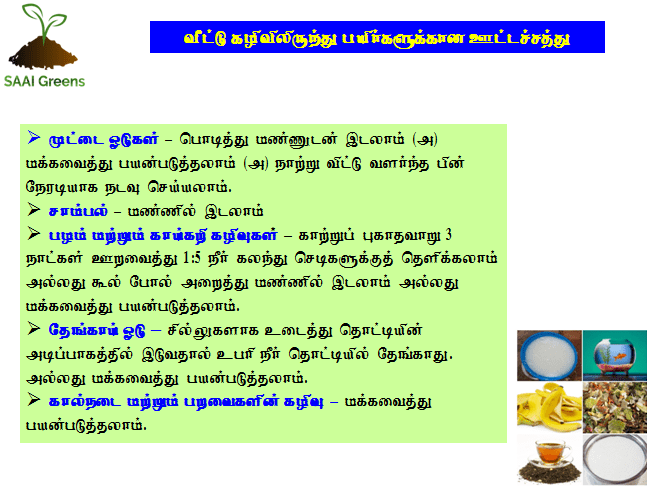
Recent days, people are transforming towards organic farming, wealth from waste, recycle, reuse and segregation of home waste, etc., This article is explaining about how our day to day kitchen & home wastes does Nourishing Plants.
Fermented Idly batter & Fermented curd– Dilute with water in the ratio of 1:10. Directly apply this mixture to soil enhances plant growth.
Used tea dust & coffee powder – Directly mix with soil without disturbing plant roots improves plant health.
Boiled Egg water & Potato boiled water – After turning into room temperature, Add this boiled water to the plants.
Rice & Dal washed water – Direct soil application
Rice boiled gruel & Fish tank water– Dilute with water in the ratio of 1: 5 and apply to the soil
Banana peel – Soak 3 – 4 banana peel in the air tight container with water for 3 days. Dilute with water in the ratio of 1: 5 and apply to the soil. Or Grind the banana peel with mixture jar and Dilute with water in the ratio of 1: 10. Apply to the soil.
Egg shells – Powder it and directly apply with soil or can use for making a compost. Egg shells would be used as a Nursery seedlings tray for easy transplantation. These shells will decompose automatically and become good nutrient media for plants.
Fire Ash – Direct soil application
Vegetables and fruit waste – Grind the waste with mixture jar. Dilute with water in the ratio of 1: 10 and apply to the soil. Or use this waste for making a compost. Or Soak these wastes in an air tight container for 3 days. Dilution in the ratio of 1:5 and direct soil application.
Coconut shells – Broken shells will be placed bottom of the pot to ensure drainage. Or use this waste for making compost
Animal & Bird’s waste, Garden waste (dried leaves & twigs) & Fallen hair– Use this waste for making compost
Banana peel (3 No.s) + used tea dust (3 table spoon) + egg shells (3 No.s) + Neem cake powder (Handful) + Vermicompost (Handful) = Grind and mix it well. Apply this mixture in a drench around plant root zone increases number of flowers in flowering plants. Eg. Rose, Hibiscus, Nerium, etc.,
Note: Soil application of Bio fertilizers viz., Rhizobium, Azotobacter, Mycorrhizae, VAM, Phosphobacteria, Potash Bacteria, etc., will convert a soil nutrients into available form. Hence, plants can easily absorb these nutrients from soil for it’s growth.
Creation of Home and Terrace gardening is trending Now-a-days. This article will assist you to plan your vegetable garden through out the year.
வீடு மற்றும் மொட்டை மாடியில் தோட்டம் உருவாக்கம் இப்போது பிரபலமாக உள்ளது. உங்கள் காய்கறி தோட்டத்தை ஆண்டு முழுவதும் திட்டமிட இந்த கட்டுரை உங்களுக்கு உதவும்.
பழங்கள் மற்றும் தண்டு துளைப்பான்களை கரிம முறையில் கட்டுப்படுத்துதல் - தக்காளி, கத்தரி, வெண்டை, முதலியன..
Stem borer or fruit borer butterflies will lay eggs during flowering stage. Larvae would be inside the fruits while fruit formation. The outlook of the fruit looks good, but inside the fruit the worms will be there. Hence, we couldn’t expect fruits without worms immediately after taking control measures. the incidence will be reduce in subsequent harvest. Therefore, The following steps would be followed to control fruit and stem borers in Tomato, Brinjal and Bhendi etc. after a month of seeding or transplantation.
தண்டு துளைப்பான் அல்லது பழம் துளைப்பான் பட்டாம்பூச்சிகள் செடி பூக்கும் நிலையில் முட்டையிடும். பழங்கள் உருவாகும் போது புழுக்கள் பழங்களுக்குள் இருக்கும். பழத்தின் தோற்றம் நன்றாக இருக்கும், ஆனால் பழத்தின் உள்ளே புழுக்கள் இருக்கும். எனவே, கட்டுப்பாட்டு நடவடிக்கைகளை எடுத்த உடனேயே புழுக்கள் இல்லாத பழங்களை எதிர்பார்க்க முடியாது. அடுத்தடுத்த அறுவடையில் பாதிப்பு குறையும். எனவே, தக்காளி, கத்தரிக்காய் மற்றும் வெண்டைக்காய் போன்றவற்றில் காய்கள் மற்றும் தண்டு துளைப்பான்களைக் கட்டுப்படுத்த, விதைத்து அல்லது நாற்று நடவு செய்தஒரு மாதத்திற்குப் பின் பின்வரும் வழிமுறைகள் பின்பற்ற வேண்டும்.
1. Resistant varieties can be chosen for cultivation
1. இந்த வகையான காய்ப்புழு வரும் சாத்தியக்கூறுகள் இல்லாத அல்லது குறைவாக உள்ள ரகங்களை பயிரிடலாம்.
2. Solar light traps can be used during evening hours from 6.30 pm – 10.00 pm. (2 No.s per acre)
2. சூரிய ஒளியில் இயங்கும் விளக்குப்பொறி ஒரு ஏக்கருக்கு இரண்டு எண்ணிக்கையில் மாலை 6.30 முதல் 10 மணி வரை பயன்படுத்தலாம்.
3. Other insect traps can be used
3. பூச்சி பிடிக்கும் பொறிகளை பயன்படுத்தலாம்.
4. Trichogramma Egg parasitoid cards can be tied. 1 card per acre (consisting of 20000 parasitized eggs)
4. டிரைக்கோகிரம்மா முட்டை ஒட்டுண்ணி அட்டைகளை கட்டிவிடலாம். ஒரு ஏக்கருக்கு 1 அட்டை (20000 ஒட்டுண்ணி முட்டைகள் கொண்டது)
5. Beauveria bassiana or Bacillus thuringiensis can be sprayed with 50 ml per 10 liters as biological fluids in periodical basis.
5. பவேரியா பேசியானா அல்லது பேசில்லஸ் துரிஞ்சிஎன்சிஸ் என்ற உயிரியல் திரவங்களை 10 லிட்டருக்கு 50 மில்லி கலந்து அவ்வப்போது தெளிக்கலாம்.
6. Neem oil 30 ml mixed with 10 litre of water and spray in regular basis. Khadhi soap can be used as dissolvant.
6. வேப்ப எண்ணெய் 10 லிட்டருக்கு 30 மில்லி கலந்து சீயக்காய் அல்லது சோப்பு கரைசலில் கரைத்து தெளிக்கலாம்
7. Herbicides can be sprayed once in eight days.
ஆடாதொடை (Adhatoda vasaca)1 kg.
ஊமத்தை (Datyra metal) 1 kg.
நொச்சி (Vetex negundo) 1 kg.
வெள்ளை எருக்கு (Calotropis gigantea) 1 kg.
வேப்பிலை (Azadirachta indica) 1 kg.
7. மூலிகை பூச்சி விரட்டி எட்டு நாட்களுக்கு ஒரு முறை தெளிக்கலாம்.
8. Trap crops such as, Marigold, Castor, Sunflower and Sorghum can be planted in the boundary.
இந்தப் புழுக்களை உருவாக்கும் பூச்சி இனங்களை தடுக்கும் வகையிலான பொறி பயிர்களாக கொள்ளு சாமந்தி மக்காச் சோளம் ஆமணக்கு சூரியகாந்தி வெள்ளைச் சோளம் போன்ற பயிர்களை வரப்புகளில் நட்டு வைக்கலாம்.
9. Regular monitoring will reduce the incidence.
9. வழக்கமான கண்காணிப்பு பாதிப்பினை குறைக்கும்.
10. Try 3 – 4 control measures, If the fruit and stem borer incidence is high.
10. பழம் மற்றும் தண்டு துளைப்பான் பாதிப்பு அதிகமாக இருந்தால், 3 – 4 கட்டுப்பாட்டு நடவடிக்கைகளை ஒருசேர முயற்சிக்கவும்.
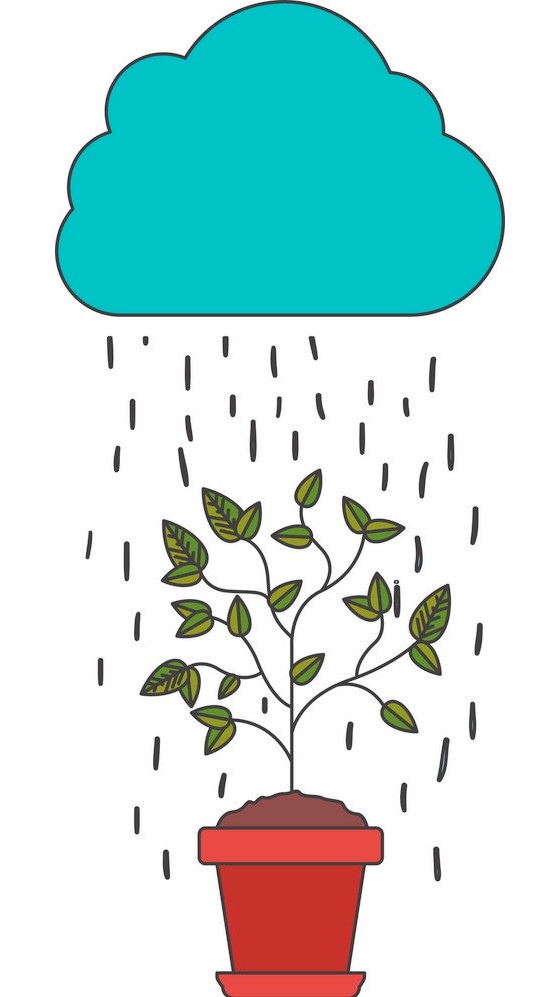
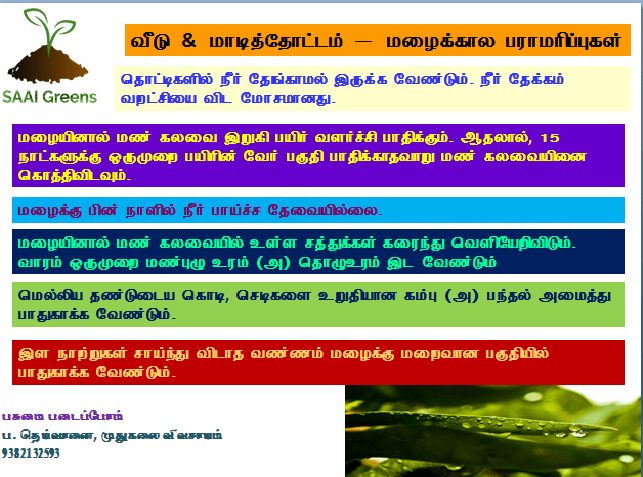
Ensure drainage. Water stagnation is worst than dryness.
Loose the pot mixture by stick without disturbing it’s roots at interval of fortnight. Pot mixture would be compressed because of heavy pour which suppress your plant growth.
No need to water the plants
Leaching out of available nutrients from pot mixture is a common problem during rainy season. So, leaves become yellowish. To overcome this issue, application of vermicompost or Farm Yard Manure or home made compost at 7 days interval up to off set of monsoon.
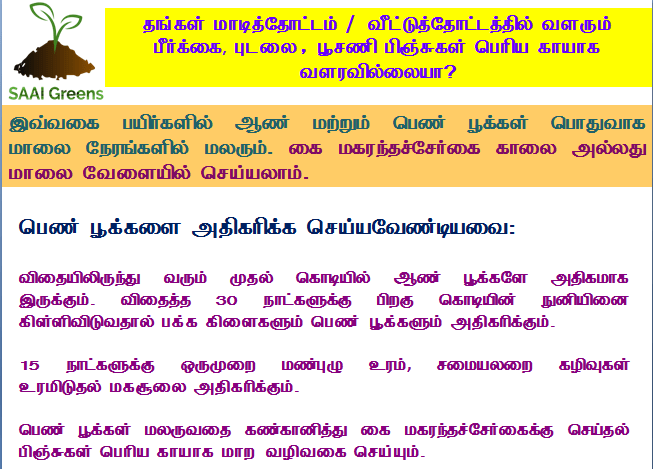
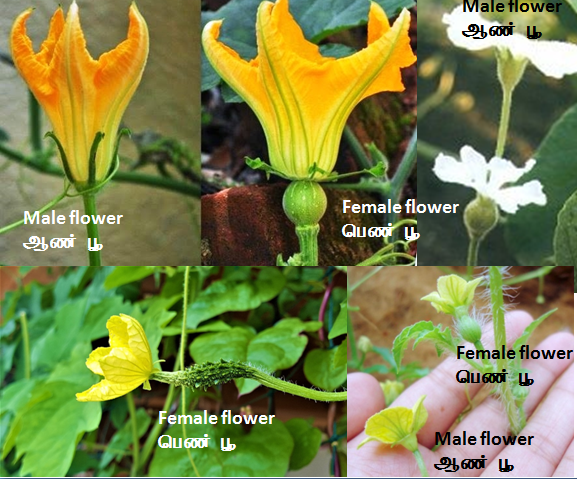
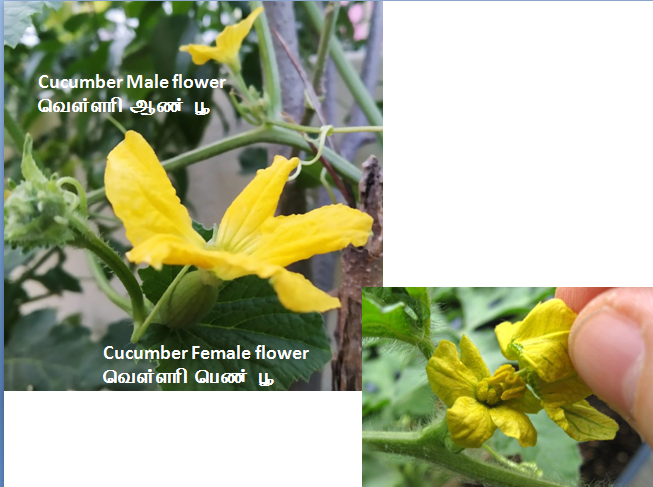
Pollination depends on bees, beetles & butterflies. If the pollination occurs, female flowers will grow as fruits.
In kitchen & terrace garden, the population of bees & beetles is minimum. So, go for hand pollination.
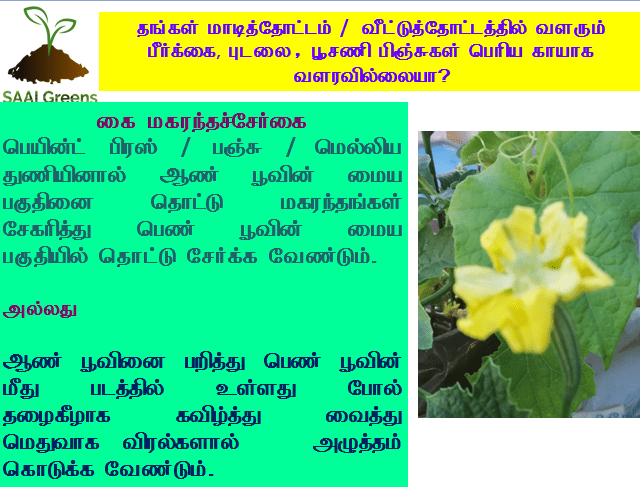
Hand pollination:
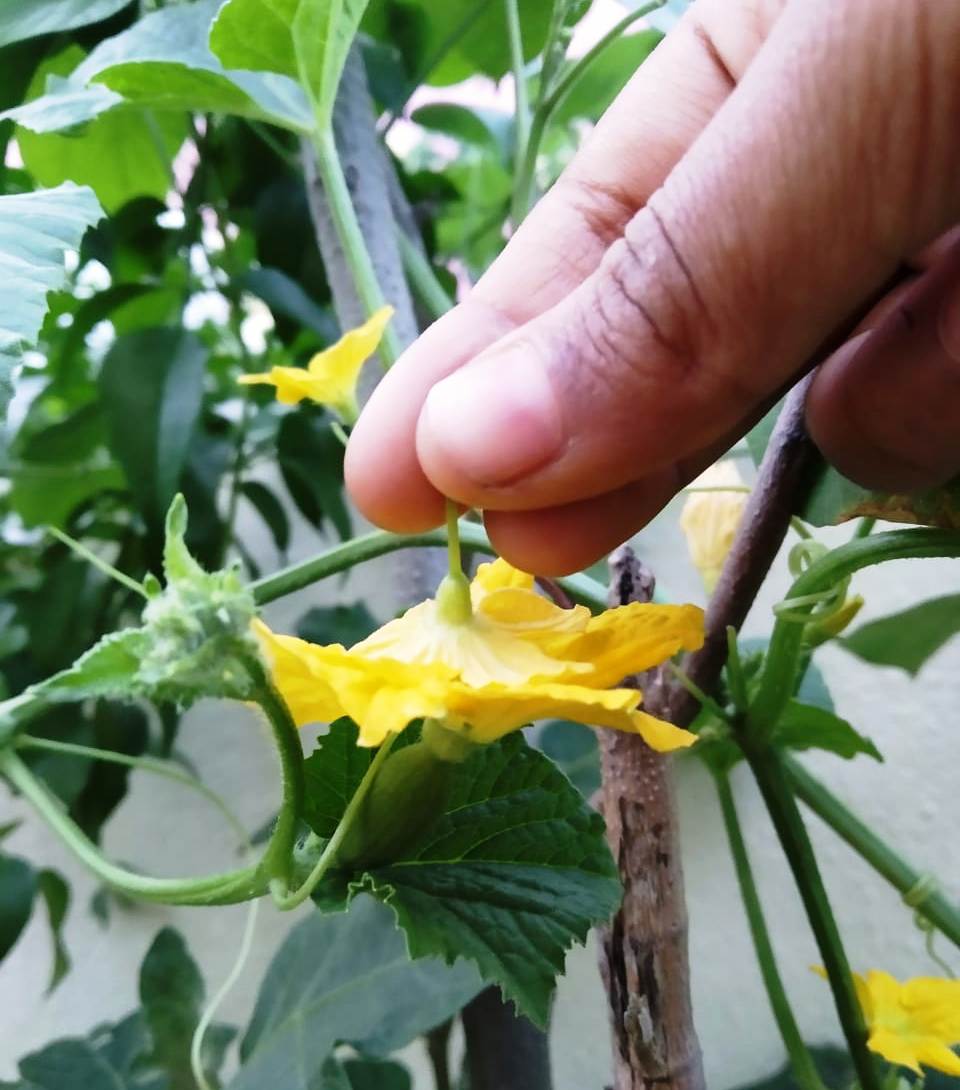
Can be done by using soft brush or buds or soft cotton cloths. Just touch the male flower centre parts by brush & collect the pollen from it. The collected pollen will be transferred in to female flower by touching the same brush on female flowers centre portion gently.
Or
Simply break off the male flower from the plant & keep it on the female flowers inverse position. Press it gently.
Continuous monitoring of female flower production and hand pollination will increase the yield in your kitchen / terrace garden.
Tips to increase female flowers: First vine grows from seeds will have mostly male flowers. Hence, pinching tip of the vine 30 days after seeding will increase side branches and female flowers. Gourds are usually heavy feeders. Apply vermicompost & home made nutrition 15 days once will increase yield.









 SAAI Academy