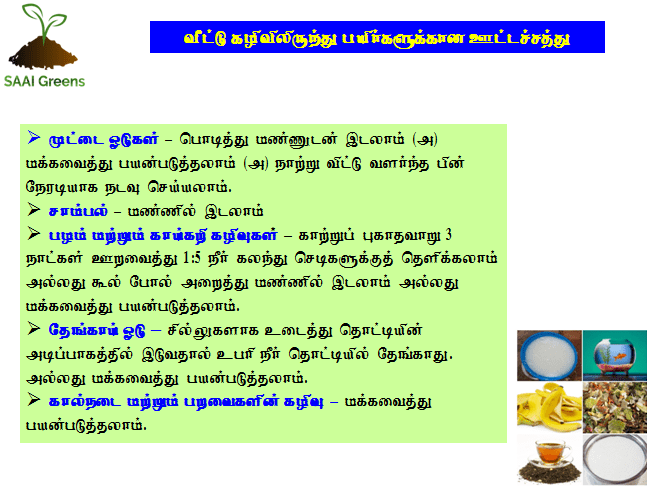
Monthly Crop Calendar for Gardeners

எந்தெந்த மாதத்தில் என்ன பயிர்கள் செய்யலாம்

Creation of Home and Terrace gardening is trending Now-a-days. This article will assist you to plan your vegetable garden through out the year.

வீடு மற்றும் மொட்டை மாடியில் தோட்டம் உருவாக்கம் இப்போது பிரபலமாக உள்ளது. உங்கள் காய்கறி தோட்டத்தை ஆண்டு முழுவதும் திட்டமிட இந்த கட்டுரை உங்களுக்கு உதவும்.

சித்திரை: (April – May)

  • உளுந்து (Black gram)
  • நிலக்கடலை (Ground nut)
  • தினை (Foxtail millet)
  • எள் (Sesame)
  • சோளம் (Sorghum)
  • நாட்டுக்கம்பு (Pearl millet)
  • துவரை (Red gram)
  • வெங்காயம் (Oinion)
  • சேனைக்கிழங்கு (Elephant yam)

வைகாசி : (May – June)

  • எள் (Sesame)
  • உளுந்து (Black gram)
  • முருங்கை (Drumstick)
  • சூரியகாந்தி (Sunflower)
  • நிலக்கடலை (Ground nut)
  • சாமை (Little millet)
  • ராகி (Finger millet)
  • பனிவரகு (Proso millet)
  • ரஸ்தாளி வாழை (Rasthali Banana)
  • ஆனைக்கொம்பன் வெண்டை (Bhendi)
  • சின்ன வெங்காயம் (Small onion)
  • வெண்டை (Bhendi)
  • புதினா (Mint)
  • சேப்பங்கிழங்கு (Colocasia)
  • மஞ்சள் (Turmeric)

ஆனி: (June – July)

  • உளுந்து (Black gram)
  • மஞ்சள் (Turmeric)
  • நிலக்கடலை (Ground nut)
  • செம்பருத்தி (Red Cotton)
  • வெண்டை (Bhendi)
  • எள் (Sesame)
  • மா (Mango)
  • சின்ன வெங்காயம் (Small onion)
  • சாமை (Little millet)
  • கொடி பீன்ஸ் (Beans)
  • பொரியல் தட்டை (Vegetable cowpea)

ஆடி: (July – August)

  • சோளம் (Sorghum)
  • ராகி (Finger millet)
  • கம்பு (Pearl millet)
  • துவரை (Red gram)
  • நாட்டுப் பருத்தி (Cotton)
  • வாழை (Banana)
  • நிலக்கடலை (Ground nut)
  • செடிமுருங்கை (Drumstick)
  • உளுந்து (Black gram)
  • பாசிப்பயறு (Green gram)
  • சூரியகாந்தி (Sunflower)
  • காவளிக் கிழங்கு (Winged yam)
  • எலுமிச்சை (Lemon)
  • மிளகாய் (Chilli)
  • குதிரைவாலி (Barnyard Millet)
  • வரகு (Kodo millet)
  • தினை (Foxtail millet)
  • சாமை (Little millet)
  • நேந்திரன் வாழை (Nenthiran Banana)
  • சேனைக்கிழங்கு (Elephant yam)
  • பப்பாளி (Papaya)
  • செம்பருத்தி (Red cotton)
  • வெண்டை (Bhendi)
  • மாப்பிள்ளைச் சம்பா (Mappillai Samba rice)
  • மா (Mango)
  • மல்லிகை (Jasmine)
  • சின்ன வெங்காயம் (Small onion)
  • நாட்டுக்கம்பு (Pearl millet)
  • நாடன் வாழை (Nadan Banana)
  • கொய்யா (Guava)
  • கோவைக்காய் (Ivy gourd)
  • கத்திரி (Brinjal)
  • தக்காளி (Tomato)
  • முள்ளங்கி (Radish)
  • பாகல் (Bitter gourd)
  • பீர்க்கன் (Ridge gourd)
  • புடலை (Snake gourd)
  • கறுப்பு மொச்சை (Broad bean)

ஆவணி : (August – September)

  • நிலக்கடலை (Ground nut)
  • துவரை (Red gram)
  • எலுமிச்சை (Lemon)
  • கொய்யா (Guava)
  • மா (Mango)
  • சின்ன வெங்காயம் (Small onion)

புரட்டாசி : (September – October)

  • பாசிப்பயறு (Green gram)
  • பனங்கிழங்கு (Palm)
  • உளுந்து (Black gram)
  • எலுமிச்சை (lemon)
  • கொய்யா (Guava)
  • கொடுக்காப்புளி (Madras Thorn / Manila Tamarind)
  • நாவல் (Jamun)
  • முல்லைப் பூ (Jasmine)
  • சின்ன வெங்காயம் (Small onion)
  • மொச்சை (Broad bean / Fava bean)
  • கொண்டைக்கடலை (Bengal gram)
  • மா (Mango)
  • புளி (Tamarind)
  • வெற்றிலை (Betel vine)
  • குண்டு மிளகாய் (Capsicum)
  • சர்க்கரைவள்ளிக் கிழங்கு (Sweet potato)
  • முல்லை (Jasmine)

ஐப்பசி: (October – November)

  • நாட்டுக்கம்பு (Pearl millet)
  • குதிரைவாலி (Barnyard millet)
  • கேழ்வரகு (Finger millet)
  • கறுப்புக்கொள்ளு (Horse gram)
  • பனங்கிழங்கு (Palm)
  • முருங்கை (Drumstick)
  • மல்லி (Jasmine)
  • குண்டு மிளகாய் (Capsicum)
  • நிலக்கடலை (Ground nut)
  • எலுமிச்சை (Lemon)
  • ரஸ்தாளி வாழை (Rasthali Banana)
  • கொடுக்காப்புளி (Madras Thorn / Manila Tamarind)
  • நாவல் (Jamun)
  • சின்ன வெங்காயம் (Small onion)
  • எள் (Sesame)
  • மா (Mango)
  • களாக்காய் (Christ’s thorn)
  • சர்க்கரைவள்ளிக் கிழங்கு (Sweet potato)
  • முல்லை (Jasmine)

கார்த்திகை : (November – December)

  • எள் (Sesame)
  • தினை (Foxtail millet)
  • கொண்டைக்கடலை (Bengal gram)
  • செடிமுருங்கை (Drumstick)
  • ஓமம் (Ajowan)
  • குண்டுமல்லி (Jasmine)
  • சூரியகாந்தி (Sun flower)
  • எலுமிச்சை (Lemon)
  • நிலக்கடலை (Ground nut)
  • மரவள்ளி (Tapioca)
  • கொள்ளு (Horse gram)
  • ரஸ்தாளி வாழை (Rasthali Banana)
  • தர்பூசணி (Water melon)
  • நாடன் வாழை (Nadan Banana)
  • பப்பாளி (Papaya)
  • கத்திரி (Brinjal)
  • மா (Mango)
  • பட்டன் ரோஜா (Rose)
  • சின்ன வெங்காயம் (Small onion)
  • கறுப்புக் கொள்ளு (Horse gram)
  • புதினா (Mint)
  • சர்க்கரைவள்ளிக் கிழங்கு (Sweet potato)
  • கற்பூரவல்லி வாழை (Karpuravalli Banana)
  • முல்லை (Jasmine)

மார்கழி : (December – January)

  • எள் (Sesame)
  • பனிவரகு (Proso millet)
  • கத்திரி (Brinjal)
  • தென்னை (Coconut)
  • உளுந்து (Black gram)
  • தர்பூசணி (Water melon)
  • சின்ன வெங்காயம் (Small onion)
  • சர்க்கரைவள்ளிக் கிழங்கு (Sweet potato)
  • கற்பூரவல்லி வாழை (Karpuravalli Banana)
  • முல்லை (Jasmine)

தை : (January – February)

  • தினை (Foxtail millet)
  • செடிமுருங்கை (Drumstick)
  • உளுந்து (Black gram)
  • நாட்டுக்கம்பு (Pearl millet)
  • கொய்யா (Guava)
  • தர்பூசணி (Water melon)
  • சின்ன வெங்காயம் (Small onion)
  • பாகல் (Bitter Gourd)
  • பீர்க்கன் (Ridge Gourd)
  • புடலை (Snake Gourd)
  • சேப்பங்கிழங்கு (Colocasia)
  • கற்பூரவல்லி வாழை (Karpuravalli Banana)

மாசி: (February – March)

  • பாசிப்பயறு (Green gram)
  • எள் (Sesame)
  • முலாம்பழம் (Melon)
  • ரஸ்தாளி வாழை (Rasthali Banana)
  • பேயன் வாழை (Peyan Banana)
  • கொய்யா (Guava)
  • தர்பூசணி (Water melon)

பங்குனி: (March – April)

  • முலாம்பழம் (Melon)

ஆண்டு முழுவதும் (Through out the year)

  • கீரை (Green leaves)
  • செண்டுமல்லி (Jasmine)
  • பாகற்காய் (Bitter Gourd)
  • வெள்ளரி (Cucumber)
  • பப்பாளி (Papaya)
  • தக்காளி (Tomato)
  • உளுந்து (Black gram)
  • வெண்டை (Bhendi)
  • கொத்தவரை (Cluster bean)
  • செடி அவரை (Broad bean)

P. Dheivanai, M.Sc. (Ag.), 9382132593

Effective control of Fruit and stem Borer through organic way – Tomato, Brinjal, Bhendi, crops etc..

பழங்கள் மற்றும் தண்டு துளைப்பான்களை கரிம முறையில் கட்டுப்படுத்துதல் - தக்காளி, கத்தரி, வெண்டை, முதலியன..

Stem borer or fruit borer butterflies will lay eggs during flowering stage. Larvae would be inside the fruits while fruit formation. The outlook of the fruit looks good, but inside the fruit the worms will be there. Hence, we couldn’t expect fruits without worms immediately after taking control measures. the incidence will be reduce in subsequent harvest. Therefore, The following steps would be followed to control fruit and stem borers in Tomato, Brinjal and Bhendi etc. after a month of seeding or transplantation.

தண்டு துளைப்பான் அல்லது பழம் துளைப்பான் பட்டாம்பூச்சிகள் செடி பூக்கும் நிலையில் முட்டையிடும். பழங்கள் உருவாகும் போது புழுக்கள் பழங்களுக்குள் இருக்கும். பழத்தின் தோற்றம் நன்றாக இருக்கும், ஆனால் பழத்தின் உள்ளே புழுக்கள் இருக்கும். எனவே, கட்டுப்பாட்டு நடவடிக்கைகளை எடுத்த உடனேயே புழுக்கள் இல்லாத பழங்களை எதிர்பார்க்க முடியாது. அடுத்தடுத்த அறுவடையில் பாதிப்பு குறையும். எனவே, தக்காளி, கத்தரிக்காய் மற்றும் வெண்டைக்காய் போன்றவற்றில் காய்கள் மற்றும் தண்டு துளைப்பான்களைக் கட்டுப்படுத்த, விதைத்து அல்லது நாற்று நடவு செய்தஒரு மாதத்திற்குப் பின் பின்வரும் வழிமுறைகள் பின்பற்ற வேண்டும்.

1. Resistant varieties can be chosen for cultivation

1. இந்த வகையான காய்ப்புழு வரும் சாத்தியக்கூறுகள் இல்லாத அல்லது குறைவாக உள்ள ரகங்களை பயிரிடலாம்.

2. Solar light traps can be used during evening hours from 6.30 pm – 10.00 pm. (2 No.s per acre)

2. சூரிய ஒளியில் இயங்கும் விளக்குப்பொறி ஒரு ஏக்கருக்கு இரண்டு எண்ணிக்கையில் மாலை 6.30 முதல் 10 மணி வரை பயன்படுத்தலாம்.

3. Other insect traps can be used

3.  பூச்சி பிடிக்கும் பொறிகளை பயன்படுத்தலாம்.

4. Trichogramma Egg parasitoid cards can be tied. 1 card per acre (consisting of 20000 parasitized eggs)

4. டிரைக்கோகிரம்மா முட்டை ஒட்டுண்ணி அட்டைகளை கட்டிவிடலாம். ஒரு ஏக்கருக்கு 1 அட்டை (20000 ஒட்டுண்ணி முட்டைகள் கொண்டது)

5. Beauveria bassiana or Bacillus thuringiensis can be sprayed with 50 ml per 10 liters as biological fluids in periodical basis.

5. பவேரியா பேசியானா அல்லது பேசில்லஸ் துரிஞ்சிஎன்சிஸ் என்ற உயிரியல் திரவங்களை 10 லிட்டருக்கு 50 மில்லி கலந்து அவ்வப்போது தெளிக்கலாம்.

6. Neem oil 30 ml mixed with 10 litre of water and spray in regular basis. Khadhi soap can be used as dissolvant.

6. வேப்ப எண்ணெய் 10 லிட்டருக்கு 30 மில்லி கலந்து சீயக்காய் அல்லது சோப்பு கரைசலில் கரைத்து தெளிக்கலாம்

7. Herbicides can be sprayed once in eight days.

ஆடாதொடை (Adhatoda vasaca)1 kg.

ஊமத்தை (Datyra metal) 1 kg.

நொச்சி (Vetex negundo) 1 kg.

வெள்ளை எருக்கு (Calotropis gigantea) 1 kg.

வேப்பிலை (Azadirachta indica) 1 kg.

7. மூலிகை பூச்சி விரட்டி எட்டு நாட்களுக்கு ஒரு முறை தெளிக்கலாம்.

8. Trap crops such as, Marigold, Castor, Sunflower and Sorghum can be planted in the boundary.

  1. இந்தப் புழுக்களை உருவாக்கும் பூச்சி இனங்களை தடுக்கும் வகையிலான பொறி பயிர்களாக கொள்ளு சாமந்தி மக்காச் சோளம் ஆமணக்கு சூரியகாந்தி வெள்ளைச் சோளம் போன்ற பயிர்களை வரப்புகளில் நட்டு வைக்கலாம்.

9. Regular monitoring will reduce the incidence.

9. வழக்கமான கண்காணிப்பு பாதிப்பினை குறைக்கும்.

10. Try 3 – 4 control measures, If the fruit and stem borer incidence is high.

10. பழம் மற்றும் தண்டு துளைப்பான் பாதிப்பு அதிகமாக இருந்தால், 3 – 4 கட்டுப்பாட்டு நடவடிக்கைகளை ஒருசேர முயற்சிக்கவும்.

Reference: https://agritech.tnau.ac.in/ta/org_farm/orgfarm_tips_ta.html

P.Dheivanai, M.Sc.(Ag.), SAAI Greens, 9382132593

Protection measures on home / terrace garden during rainy days

https://saaiacademy.in/saaigreens/

Ensure drainage. Water stagnation is worst than dryness.

Loose the pot mixture by stick without disturbing it’s roots at interval of fortnight. Pot mixture would be compressed because of heavy pour which suppress your plant growth.

No need to water the plants

Leaching out of available nutrients from pot mixture is a common problem during rainy season. So, leaves become yellowish. To overcome this issue, application of vermicompost or Farm Yard Manure or home made compost at 7 days interval up to off set of monsoon.

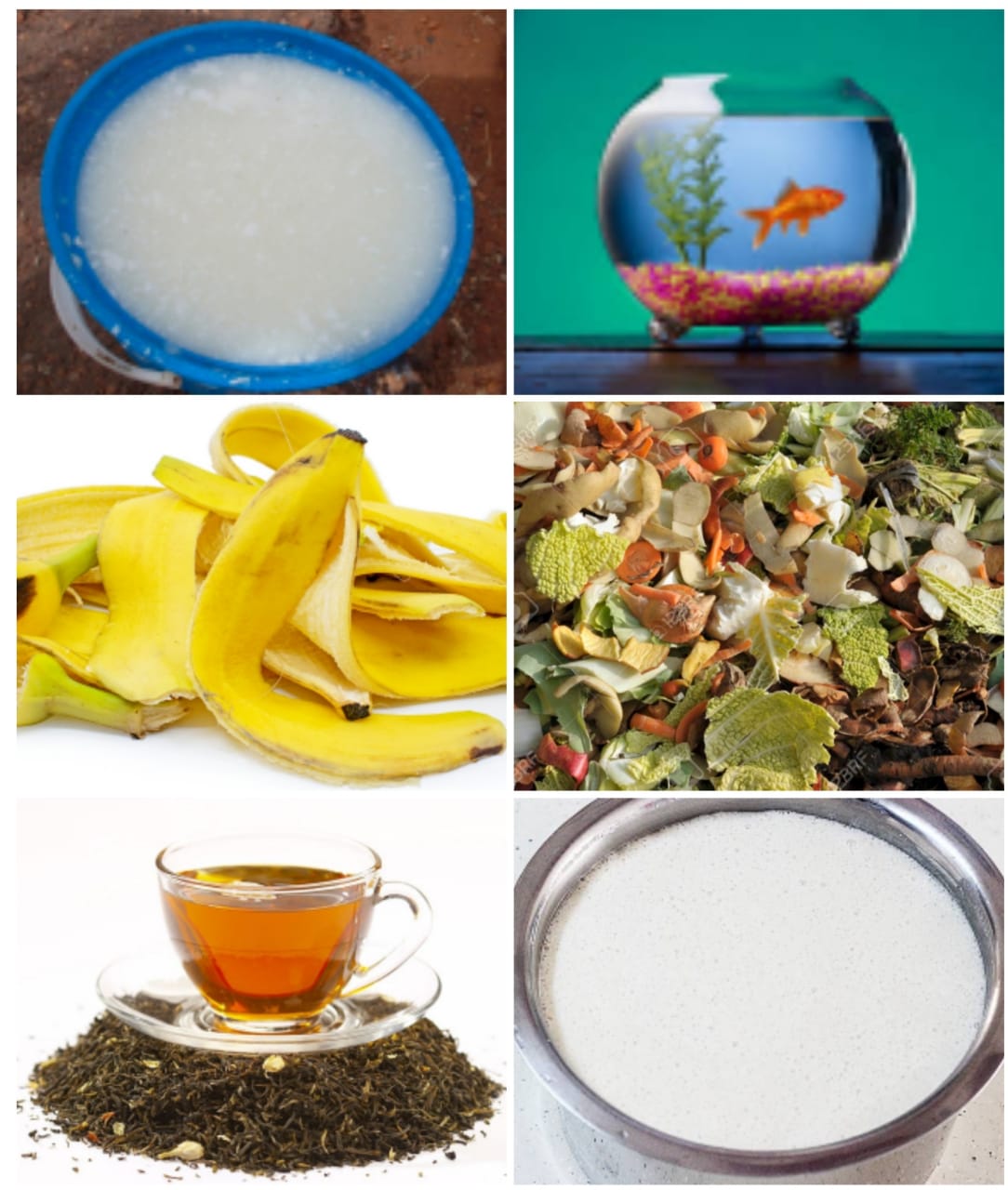
https://saaiacademy.in/2020/09/27/organic-health-drinks-nutrients-for-plants-from-kitchen-and-house-wastes/

Weekly once apply any of these remedies whichever feasible for you

Protect tender stem plants by staking and supporting.

Provide shelter to young saplings

Happy Greening

P. Dheivanai, M. Sc. Ag. 9382132593

SAAI Greens

Are you worrying about your Gourd flowers doesn’t mature as big size gourd?

Nothing to worry…  Do Hand Pollination…  Will Get Big size fruits…

You may have lot of questions while growing Bitter gourd / Snake gourd / Ridge gourd / Cucumber / Bottle gourd, etc., (especially Cucurbits).

No pests attack…

Plants looks Healthy….

Good number of Flowers …..

But flowers are not converting as big size gourds. Fruits are destroys in small size and drop off. Despite, we are providing opt nutrition and care.

What would be the reason behind this?

Please remember your childhood Botany….

The reason behind this is failure of pollination

Gourds produces male & female flowers separately in the same vine.

Male flowers appear first.

Easily differentiate the male flowers from female. As the female flowers have the small gourd shape below the bloom.

https://saaiacademy.in/saaigreens/

Male & female flowers ratio generally 10 : 1

Pollination depends on bees, beetles & butterflies. If the pollination occurs, female flowers will grow as fruits.

In kitchen & terrace garden, the population of bees & beetles is minimum. So, go for hand pollination.

Hand pollination

Can be done by using soft brush or buds or soft cotton cloths. Just touch the male flower centre parts by brush & collect the pollen from it. The collected pollen will be transferred in to female flower by touching the same brush on female flowers centre portion gently.

Or

Simply break off the male flower from the plant & keep it on the female flowers inverse position. Press it gently.

https://saaiacademy.in/saaigreens/

Most of the gourd flowers bloom during evening. Please do hand pollination either in the morning or evening.

https://saaiacademy.in/saaigreens/

Continuous monitoring of female flower production and hand pollination will  increase the yield in your kitchen /  terrace garden.

Tips to increase female flowers: First vine grows from seeds will have mostly male flowers. Hence, pinching tip of the vine 30 days after seeding will increase side branches and female flowers. Gourds are usually heavy feeders. Apply vermicompost & home made nutrition 15 days once will increase yield.

Happy Greening

P. Dheivanai, M. Sc. Ag. 9382132593

SAAI Greens

TNPSC Notification – Executive Officer Grade III and IV (Tamil Nadu Hindu Religious & charitable endowments Subordinate service)

TNPSC Aspirants from Hindu religion only eligible to apply

Notification date / Online Application submission starts from: 19/05/2022 (Grade III) and 20/05/2022 (Grade IV)

Last date for application submission: 17/06/2022 (Grade III) and 18/06/2022 (Grade IV)

Examination Date: 10/09/2022 Forenoon and Afternoon – 2 papers (Grade III) and 11/09/2022 Forenoon and Afternoon – 2 papers (Grade IV)

Visit the commission website for more details: https://www.tnpsc.gov.in/Tamil/Notification.aspx

National Education Policy 2020

The cabinet has given green signal to the New Education Policy. There has been a change in the education policy after 34 years. The unique features of the new education policy are as follows:

5 Years Fundamental

Nursery @4 Years Jr KG @5 Years Sr KG @6 Years Std 1st @7 Years Std 2nd @8 Years

3 Years Preparatory

Std 3rd @9 Years Std 4th @10 Years Std 5th @11 Years

3 Years Middle

Std 6th @12 ​​Years Std 7th @13 Years Std 8th @14 Years

4 Years Secondary

Std 9th @15 Years Std SSC @16 Years Std FYJC @17Years STD SYJC @18 Years

Special and important things:

  • 10th board is over
  • Board will be in 12th class only
  • College degree of 4 years *
  • M Phil will be closed
  • Now students up to 5th standard will be taught in mother tongue, local language and national language only. The rest of the subject, even if it is English, will be taught as a subject.*
  • Now only 12th board exam will have to be given. Whereas earlier it was mandatory to give 10th board exam, which will not happen now.
  • Examination will be held in the semester from 9th to 12th class. Schooling will be taught under the 5+3+3+4 formula.*
  • At the same time, the college degree will be of 3 and 4 years. That is, certificate on the first year of graduation, diploma on the second year, degree in the third year. 3 year degree is for those students who do not want to take higher education. Whereas students pursuing higher education will have to do a 4-year degree.
  • Students doing 4-year degree will be able to do MA in one year.
  • MA students will now be able to do PhD directly.
  • *Students will be able to do other courses in between.
  • The gross enrollment ratio in higher education will be 50 percent by 2035.
  • At the same time, under the new education policy, if a student wants to do another course in the middle of a course, then they can do the second course by taking a break from the first course for a limited time.
  • *Many reforms have also been made in higher education. The reforms include graded academic, administrative and financial autonomy etc.
  • Apart from this, e-courses will be started in regional languages.
  • Virtual Labs will be developed.
  • A National Educational Scientific Forum (NETF) will be started.
  • There will be same rules for all institutions, government, private, deemed.*

Online Fraud sellers – finding tips

ஆன்லைன் மோசடி விற்பனையாளர்கள் - கண்டறிய உதவி குறிப்புகள் 

We are all living in digital world. Most of our activities are closely linked with mobile/laptop. We couldn’t find time to cook. Unable to visit the shop directly. So, we use to order our food from online portals. Likewise, we would like to order attractive plants and seeds from the online portal when scrolling the social media. The following points will support you to find out the fraud sellers and safe gourd your money.

நாம் அனைவரும் டிஜிட்டல் உலகில் வாழ்கிறோம். நம்மில் பெரும்பாலான செயல்பாடுகள் மொபைல்/லேப்டாப்புடன் நெருக்கமாக இணைக்கப்பட்டுள்ளன. நமக்கு சமைக்க நேரம் கிடைக்கவில்லை. நேரடியாக கடைக்கு செல்ல முடியவில்லை. எனவே, நாம் உணவை ஆன்லைன் போர்ட்டல்களில் இருந்து ஆர்டர் செய்கிறோம். அதேபோல், சமூக ஊடகங்களை கடக்கும் போது ஆன்லைன் போர்ட்டலில் இருக்கும் அழகான தாவரங்கள் மற்றும் விதைகளை ஆர்டர் செய்ய விரும்புகிறோம். மோசடி விற்பனையாளர்களைக் கண்டறியவும், உங்கள் பணத்தைப் பாதுகாக்கவும் பின்வரும் குறிப்புகள் உங்களுக்கு உதவும். 

1. Most of them join newly and have new Facebook / social media profile

1. அவர்களில் பெரும்பாலோர் புதிதாக இணைந்து புதிய Facebook / சமூக ஊடக சுயவிவரம் கொண்டிருப்பர். 

2. Always mention very low price

2. எப்போதும் மிகக் குறைந்த விலையைக் குறிப்பிடுவர் 

3. Ask old order sending receipts (Courier/ India post / any other details)

3. பழைய ஆர்டர் அனுப்பும் ரசீதுகளைக் கேளுங்கள் (கூரியர்/ இந்தியாபோஸ்ட் / வேறு ஏதேனும் விவரங்கள்)

4. They never say “No”. They say all the plants which you want

4. அவர்கள் ஒருபோதும் "இல்லை" என்று சொல்ல மாட்டார்கள். நீங்கள் விரும்பும் அனைத்து தாவரங்களையும் அவர்கள் இருக்கிறது என்பர்  

5. You must ask a video or any specific background picture – if they can’t think twice

5. நீங்கள் ஒரு வீடியோ அல்லது ஏதேனும் குறிப்பிட்ட பின்னணிப் படத்தைக் கேட்க வேண்டும் - அவர்களால் முடியாவிட்டால் ஒன்றுக்கு இரு முறை யோசிக்கவும் 

6. Find his location and search a plant name which can’t be survive on his place and ask that

6. அவரது இருப்பிடத்தைக் கண்டுபிடித்து, அவரது இடத்தில் வாழ முடியாத தாவரத்தின் பெயரைத் தேடி, அதைக் கேட்கவும்

7. Ask their marketplace profile link and check the customer rating, comments. A genuine seller always make their account on marketplace

7. அவர்களின் facebook சந்தை சுயவிவர இணைப்பைக் கேட்டு வாடிக்கையாளர் மதிப்பீடு, கருத்துகளைச் சரிபார்க்கவும். ஒரு உண்மையான விற்பனையாளர் எப்போதும் facebook சந்தையில் தங்கள் கணக்கை வைத்திருப்பார் 

8. First and foremost need to check their previous post comments. Plants might look tempting but before placing an order, It’s our duty to get the proper details.

8. முதலில் அவர்களின் முந்தைய இடுகைக் கருத்துகளைப் பார்க்க வேண்டும். தாவரங்கள் கவர்ச்சியாகத் தோன்றலாம் ஆனால் ஆர்டர் செய்வதற்கு முன், சரியான விவரங்களைப் பெறுவது உங்கள் கடமை

9. Triangulate the payment with their name, mobile number, UPI id, Whatsapp number, G pay / phone pe number. Use true caller facility also.

9. அவர்களின் பெயர், மொபைல் எண், UPI ஐடி, Whatsapp எண், G pay / phone PE எண் ஆகியவற்றைக் கொண்டு ஆராய்ந்து, true caller வசதியையும் பயன்படுத்தவும். 

10. Ask their full postal address before place the order.

10. ஆர்டர் செய்வதற்கு முன் அவர்களின் முழு அஞ்சல் முகவரியைக் கேளுங்கள்.

Hope you all use these tips and escape from cheaters

நீங்கள் அனைவரும் இந்த உதவிக்குறிப்புகளைப் பயன்படுத்தி ஏமாற்றுபவர்களிடமிருந்து தப்பிக்கலாம் என்று நம்புகிறோம் 

NOTE: We have to post it because, we are also buy and sell plants in online and feel bad when some persons says that don’t buy in online. Thanks to read

குறிப்பு: நாங்கள் இதை இடுகையிட வேண்டும், ஏனென்றால் நாங்கள் ஆன்லைனில் தாவரங்களை வாங்குகிறோம் மற்றும் விற்கிறோம், மேலும் ஆன்லைனில் வாங்க வேண்டாம் என்று சிலர் கூறும்போது வருத்தப்படுகிறோம். படித்ததற்கு நன்றி

Happy Greening… P. Dheivanai, M. Sc. (Ag.)

NTA UGC announced UGC-NET December 2021 & June 2022 (merged cycles) – Online applications invited for Assistant Professor & JRF

The National Testing Agency (NTA) has been appointed by the University Grants Commission (UGC) to conduct UGC-NET, which is a test to evaluate the eligibility of Indian nationals for ‘Assistant Professor’ and ‘Junior Research Fellowship and Assistant Professor’ in Indian universities and colleges.

Until June 2018, the NET was conducted by CBSE in 84 subjects at 91 cities across the country. Thereafter from December 2018 on wards, the UGC-NET is being conducted by NTA.

NTA will conduct UGC-NET December 2021 and June 2022 (merged cycles) for ‘Junior Research Fellowship’ and eligibility for ‘Assistant Professor’ in 82 subjects in Computer Based Test (CBT) mode.

https://saaiacademy.in/saai-studies/

For more details visit: https://ugcnet.nta.nic.in/

For NTA UGC NET coaching and materials contact: 9382132593 / saaistudies@gmail.com/ https://saaiacademy.in/saai-studies/

Whatsapp assistance for paper 1: https://chat.whatsapp.com/GTrPbe3CV8T0WJxFtePLAo

Happy Learning

TNPSC Revised Syllabus and Model question paper – A Glance

Dear TNPSC Aspirants,

Tamil Nadu Public Service Commission has revised the syllabus for Group 2, Group 2A and Combined Civil Services Examination – IV (Group 4). Check out the revised syllabus and examination pattern here.

Happy Learning

For more details: visit the Commission website: https://www.tnpsc.gov.in/English/new_syllabus.html

Popular Aquatic plants @ Terrace/Home

பிரபலமான நீர்வாழ் தாவரங்கள் @ மாடித்தோட்டம் மற்றும் வீடு தோட்டம்  

Everyone likes to install aquarium in their home either in terrace or in ground. Simple ways to install and maintain pond are,

ஒவ்வொருவரும் தங்கள் வீட்டில் மொட்டை மாடியில் அல்லது தரையில் நீர் தாவரங்களை வளர்க்க விரும்புவார்கள். நீர் தாவர குளத்தை நிறுவுவதற்கான எளிய வழிகள்,
  • Choose an appropriate place to install the pond. Partial shady places are recommended in tropical region. Otherwise 50% shade net or thatching with locally available leaf materials (Areca/palm/coconut leaves) are preferable.
  • Water proof area can be chosen
  • Can use plastic pots and trays as pond @ terrace. Cement pots with the height of 1 feet is enough to grow Lotus, Lilies and other aquatic plants. Length and breadth is according to the space availability.
  • Quality of water could be recognized through Lotus bloom. Because, lotus will bloom only in good quality water.
  • Appropriate pot mix would be 1 part of sand: 2 part of clay or garden soil: 1 part of vermicompost or dried cow dung:
  • Pot mix filling: 15 -20 cm height as base is recommended. Water logging would be 20-30 height cm.
  • Take out 2/3 portion of the water from the pond and refill the fresh water once in a 7-10 days.
  • Apply vermicompost 100-200g in each pot in a fortnightly interval.
  • Snail, mealybugs and mosquito is the major problems with the aquatic plants. Rearing fish in the aquarium will minimize the mosquito incidence.
  • Snails would be floating in the water or settled under the leaves. Snail infested leaves will appear as discolored or with holes. So, physical collection and eradication of snail/infested leaves is much easier.
  • Refer this post for mealybug management: https://saaiacademy.in/2020/10/01/management-of-healthy-plants-from-pests-and-diseases/
  • List of aquatic plants can be grown in the terrace / home is displayed as picture.
குளத்தை நிறுவ பொருத்தமான இடத்தை தேர்வு செய்யவும். 
வெப்பமண்டலப் பகுதிகளில் பகுதி நிழலான இடங்கள் பரிந்துரைக்கப்படுகின்றன. இல்லையெனில், 50% நிழல் வலை அல்லது தங்கள் பகுதியில் கிடைக்கும் இலைப் பொருட்களைக் கொண்டு (பாக்கு /பனை/தேங்காய் ஓலைகள்) கொட்டகை அமைப்பது சிறப்பு. 
மாடியில் நீர் புகாத பகுதியை தேர்வு செய்யலாம்
குளம் அமைக்க மொட்டை மாடியில் பிளாஸ்டிக் பானைகள் மற்றும் தட்டுக்களைப் பயன்படுத்தலாம். தாமரை, அல்லி மற்றும் பிற நீர்வாழ் தாவரங்களை வளர்க்க 1 அடி உயரம் கொண்ட சிமெண்ட் தொட்டிகள் போதும். நீளமும் அகலமும் இடம்  இருப்பதைப் பொறுத்து அமைக்கலாம்.
தாமரை மலர்கள் மலர்வதன் மூலம் நீரின் தரத்தை அறிய முடியும். ஏனெனில், நல்ல தண்ணீரில்தான் தாமரை பூக்கும்.
பொருத்தமான பானை கலவையானது மணல் 1 பங்கு: களிமண் அல்லது தோட்ட மண் 2 பங்கு: மண்புழு உரம் அல்லது உலர்ந்த மாட்டுச் சாணம் 1 பங்கு
மண் கலவை நிரப்புதல்: அடித்தளமாக 15 -20 செ.மீ உயரம் பரிந்துரைக்கப்படுகிறது. நீர் தேங்குவது 20-30 செ.மீ உயரம் இருப்பது சிறப்பு.
குளத்திலிருந்து 2/3 பங்கு நீரை எடுத்து 7-10 நாட்களுக்கு ஒருமுறை புதிய நீரை மாற்ற வேண்டும்.
மண்புழு உரம் 100-200 கிராம் ஒவ்வொரு தொட்டியிலும் பதினைந்து நாட்களுக்கு ஒருமுறை இடவும்.
நத்தை, மாவுப்பூச்சி மற்றும் கொசு ஆகியவை நீர்வாழ் தாவரங்கள் குளத்தின் முக்கிய பிரச்சனைகளாகும். 
குளத்தில் மீன் வளர்ப்பது கொசுக்களின் தாக்கத்தை குறைக்கும்.
நத்தைகள் தண்ணீரில் மிதக்கும் அல்லது இலைகளுக்கு அடியில் காணப்படும். நத்தை தாக்கப்பட்ட இலைகள் நிறமாற்றம் அல்லது துளைகளுடன் காணப்படும். எனவே, நத்தை/பாதிக்கப்பட்ட இலைகளை சேகரித்து அழிப்பது மிகவும் எளிதானது.
மாவு பூச்சி மேலாண்மைக்கு இந்த இடுகையைப் பார்க்கவும்: https://saaiacademy.in/2020/10/01/management-of-healthy-plants-from-pests-and-diseases/
மொட்டை மாடியில்/வீட்டில் வளர்க்கக்கூடிய நீர்வாழ் தாவரங்களின் பட்டியல் மேலே படமாக காட்டப்பட்டுள்ளது.

P. Dheivanai, M.Sc.(Ag.), 9382132593