The UGC NET 2024 re-exam will be held online in CBT (Computer-Based Test) mode from August 21 to September 4. For the latest updates and official announcements, please check the official website of the National Testing Agency (NTA) or related educational portals.
The National Testing Agency (NTA) has scheduled the CSIR-UGC Joint NET examination for July 25 to 27, 2024. This examination is conducted to determine eligibility for Junior Research Fellowship (JRF) and Lectureship (LS) positions in the fields of science and technology. The test will be held in a computer-based mode (CBT)
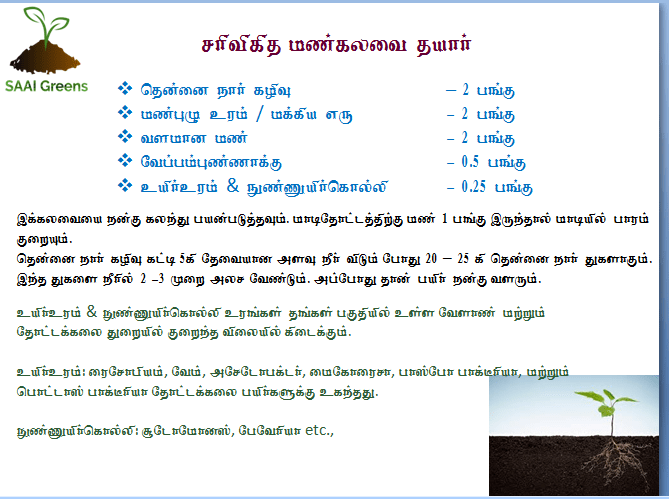
Biofertilizer and Biocontrol agents – 0.25 portion
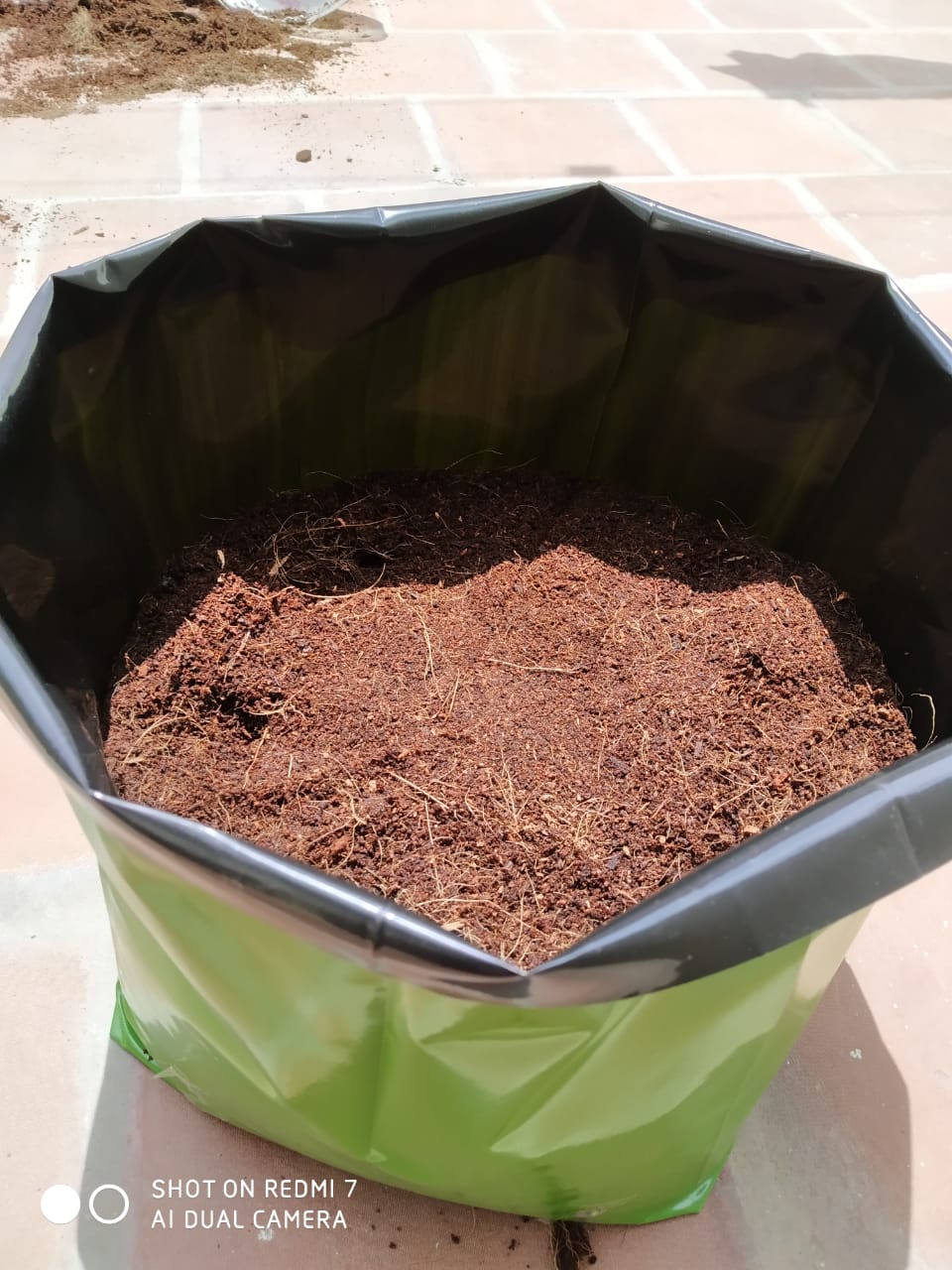
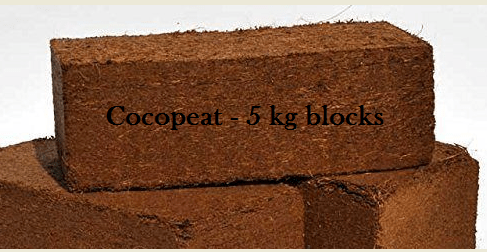
Add required volume of water with raw cocopeat block. 5 Kg block will expand up to 20 – 25 kg of cocopeat powder. Wash this powder 2 – 3 times with water to neutralize it for pant growth.
Note: Reduce the soil proportion as 1 part if terrace is weak or reduce the weight of your pot mix.
Note:Rhizobium, Azotobacter, Mycorrhizae, VAM, Phosphobacteria, Potash Bacteria, etc., are Bio fertilizers suitable for vegetables, flowers and fruits
Pseudomonas sp., Beauveria bassiana etc., Bio control agents.
Biofertilizers and biocontrol agents buy from horticulture / agriculture departments of your concerned block.
தாவர வளரும் ஊடகமாக தென்னை நார் கழிவு / கோகோபீட்டைப் பயன்படுத்துதல் / தென்னை நார்கழிவு மூடாக்கு
Coco peat or coconut fibre or coir fibre is the husk of a coconut. It is a co-product of coconut fibre extraction. Earlier, it was considered a waste product. Now-a-days, Cocopeat is considered as a by product of coconut This plant material is non-fibrous, spongy, lightweight and corky. It has the ability for excellent water holding capacity
கோகோ பீட் அல்லது தேங்காய் நார் அல்லது தென்னை நார் என்பது தேங்காயின் வெளிப்புற பகுதி ஆகும். இது தேங்காய் நார் பிரித்தெடுத்தலின் இணை தயாரிப்பு ஆகும். முன்னதாக, இது ஒரு கழிவுப் பொருளாக கருதப்பட்டது. இன்றைய நாட்களில், கோகோபீட் தேங்காயின் துணைப் பொருளாகக் கருதப்படுகிறது, இந்த தாவரப் பொருள் நார்ச்சத்து இல்லாதது, பஞ்சு போன்ற இலகுவான பொருள் ஆகும். இது சிறந்த நீர் பிடிப்பு திறன் கொண்டது
Cocopeat is a good plant growing weightless media.
கோகோபீட் என்பது எடையற்ற பயிர் வளர் ஊடகம் ஆகும்.
Easy transportation purpose, cocopeat powder is compressed as 1:5 ratio blocks. After wetting, 5 kg blocks will convert it in to 25 kg coco powders.
எளிதாக எடுத்து செல்லும் நோக்கில், கோகோபீட் தூள் 1:5 விகித கட்டிகளாக மாற்றப்பட்டுள்ளது. நனைத்த பிறகு, 5 கிலோ கட்டிகள் 25 கிலோ கொக்கோ பவுடர்களாக மாறும்.
Either low EC or high EC cocopeat blocks, wash 2 to 3 times thoroughly to bring the cocopeat pH value neutral. Coconut coir is a natural fibre extracted from the hard, internal shell and the outer coconut containing high amount of lignin, Sodium, Potassium and Chloride. This leads high salinity and unsuitable for plant growth. To avoid this case, washing of cocopeat is very important before planting.
குறைந்த EC அல்லது அதிக EC கோகோபீட் கட்டிகள், கோகோபீட் pH மதிப்பை நடுநிலையாகக் கொண்டு வர 2 முதல் 3 முறை நன்றாகக் கழுவவும். தேங்காய் நார் துருவல் என்பது கடினமான உட்புற ஓடு மற்றும் வெளிப்புற தேங்காயில் இருந்து பெறப்படுகிறது. அதிக அளவு லிக்னின், சோடியம், பொட்டாசியம் மற்றும் குளோரைடு ஆகியவற்றைக் கொண்ட இயற்கை நார் ஆகும். இது அதிக உப்புத்தன்மை மற்றும் தாவர வளர்ச்சிக்கு பொருந்தாது. இதை தவிர்க்க, நடவு செய்வதற்கு முன், கோகோபீட்டை கழுவுவது மிகவும் முக்கியம்.
Never use plastic materials for washing cocopeat blocks. While expanding the blocks after wetting, their is a chance of plastic material damage.
கோகோபீட் பிளாக்குகளை கழுவுவதற்கு பிளாஸ்டிக் பொருட்களை பயன்படுத்த வேண்டாம். நனைத்த பின் கட்டிகள் விரிவுபடும் போது, பிளாஸ்டிக் பொருட்கள் சேதமடையும் வாய்ப்பு உள்ளது.
Sun dry the washed coco powder for 2-3 days.
கழுவிய கோகோ பவுடரை 2-3 நாட்களுக்கு வெயிலில் காய வைக்கவும்.
Then, add vermicompost or farm yard manure 25 kg, 25 kg of garden soil, neem cake powder 5 kg and 500g of biofertilizers for for 1 cocopeat block.
பிறகு, 1 கோகோபீட் கட்டிக்கு, மண்புழு உரம் அல்லது நன்கு மக்கிய தொழுவுரம் 25 கிலோ, 25 கிலோ தோட்ட மண், 5 கிலோ வேப்பம் பிண்ணாக்கு தூள் மற்றும் 500 கிராம் உயிர் உரங்கள் சேர்க்கவும்.
Store the pot mix as such for 4-5 days and sprinkle water regularly. This process will facilitate the multiplication of beneficial microbes and turn as good growing media for plant growth.
மண் கலவையை 4-5 நாட்களுக்கு சேமித்து வைத்து, தொடர்ந்து தண்ணீர் தெளிக்கவும். இந்த செய்முறை நன்மை பயக்கும் நுண்ணுயிரிகளின் பெருக்கத்தை எளிதாக்குகிறது மற்றும் தாவர வளர்ச்சிக்கு நல்ல வளரும் ஊடகமாக மாறும்.
Cocopeat for Mulching
When using cocopeat as mulch, make sure to apply it in a layer that’s at least a few inches thick to provide adequate coverage and benefits. Also, keep in mind that while cocopeat is excellent for moisture retention, it may initially repel water when dry. To avoid this, you can pre-moisten the cocopeat before applying it as mulch. Overall, it’s an eco-friendly and sustainable option for mulching that offers numerous benefits to your garden or landscape.
தென்னை நார்கழிவு மூடாக்கு
கோகோபீட்டை மூடாக்காகப் பயன்படுத்தும் போது, குறைந்தபட்சம் சில அங்குல தடிமன் கொண்ட அடுக்கில் அதைப் பயன்படுத்துவதை உறுதிப்படுத்திக் கொள்ளுங்கள். மேலும், ஈரப்பதத்தைத் தக்கவைத்துக்கொள்வதற்கு கோகோபீட் சிறந்தது என்பதை நினைவில் கொள்ளுங்கள். கோகோபீட்டை மூடாக்காகப் பயன்படுத்துவதற்கு முன் ஈரப்படுத்தவும். ஒட்டுமொத்தமாக, இது உங்கள் தோட்டம் அல்லது நிலப்பரப்புக்கு ஏராளமான நன்மைகளை வழங்கும். சூழல் நட்பு மற்றும் நிலையான தழைக்கூளம்.
Happy Greening
For more details: P. Dheivanai, M.Sc. (Ag.), 9382132593
Green Revolution: The early 1960s was the phase of the Green revolution in India. It led to an increase in higher-yielding varieties of seeds due to improved agronomic technology. It allowed the then developing country, India, to overcome poor agricultural productivity.
பசுமைப் புரட்சி: 1960களின் ஆரம்பம் இந்தியாவில் பசுமைப் புரட்சியின் கட்டம். இது மேம்படுத்தப்பட்ட வேளாண் தொழில்நுட்பத்தின் காரணமாக அதிக மகசூல் தரும் விதைகளின் அதிகரிப்புக்கு வழிவகுத்தது. அப்போது வளரும் நாடான இந்தியா, மோசமான விவசாய உற்பத்தித்திறனைக் கடக்க அனுமதித்தது.
Black Revolution: To increase petroleum production, the Government planned to accelerate the production of ethanol and to mix it up with petrol to produce biodiesel. Ethanol is a renewable source of energy and is a by-product of sugar production produced from molasses. The blending of ethanol with petrol has been practiced in the USA and Brazil for over 70 years. The blending of ethanol with transport fuels would provide better returns to farmers, supplement scare resources of hydrocarbons and environment-friendly by reducing pollutants as it helps combustion.
கறுப்புப் புரட்சி: பெட்ரோலிய உற்பத்தியை அதிகரிக்க, எத்தனால் உற்பத்தியை துரிதப்படுத்தவும், பெட்ரோலுடன் கலந்து பயோடீசல் தயாரிக்கவும் அரசு திட்டமிட்டது. எத்தனால் ஒரு புதுப்பிக்கத்தக்க ஆற்றல் மூலமாகும் மற்றும் வெல்லப்பாகுகளிலிருந்து தயாரிக்கப்படும் சர்க்கரை உற்பத்தியின் துணை தயாரிப்பு ஆகும். பெட்ரோலுடன் எத்தனால் கலப்பது அமெரிக்காவிலும் பிரேசிலிலும் 70 ஆண்டுகளுக்கும் மேலாக நடைமுறையில் உள்ளது. போக்குவரத்து எரிபொருட்களுடன் எத்தனாலைக் கலப்பது விவசாயிகளுக்குச் சிறந்த வருவாயை வழங்கும், ஹைட்ரோகார்பன்களின் பயமுறுத்தும் வளங்களைச் சேர்க்கும் மற்றும் எரிப்புக்கு உதவுவதால் மாசுகளைக் குறைப்பதன் மூலம் சுற்றுச்சூழலுக்கு உகந்ததாக இருக்கும்.
Pink Revolution: The boom of export and production of meat in India is the period of the Pink Revolution. It denotes the technological revolution in the poultry and meat processing sector.
இளஞ்சிவப்பு புரட்சி: இந்தியாவில் இறைச்சி ஏற்றுமதி மற்றும் உற்பத்தியின் ஏற்றம் இளஞ்சிவப்பு புரட்சியின் காலம். இது கோழி மற்றும் இறைச்சி பதப்படுத்தும் துறையில் தொழில்நுட்ப புரட்சியை குறிக்கிறது.
Grey Revolution: Grey revolution is related to increased fertilizer production. It is basically associated with the effects of the green revolution of India.
சாம்பல் புரட்சி: சாம்பல் புரட்சி என்பது உர உற்பத்தியை அதிகரிப்பதுடன் தொடர்புடையது. இது அடிப்படையில் இந்தியாவின் பசுமைப் புரட்சியினுடன் தொடர்புடையது.
White Revolution: Dr. Verghese Kurien, the Father of the White Revolution was a social entrepreneur. His “billion-litre idea”, Operation Flood made India the world’s largest milk producer and dairy farming India’s largest self-sustaining industry.
வெண்மைப் புரட்சி: வெண்மைப் புரட்சியின் தந்தை டாக்டர் வர்கீஸ் குரியன் ஒரு சமூகத் தொழிலதிபர். அவரது “பில்லியன் லிட்டர் யோசனை”, ஆபரேஷன் ஃப்ளட் இந்தியாவை உலகின் மிகப்பெரிய பால் உற்பத்தியாளர் மற்றும் பால் பண்ணை இந்தியாவின் மிகப்பெரிய தன்னிறைவுத் தொழிலாக மாற்றியது.
Operation Greens: On the lines of Operation Flood, the Government of India launched Operation Greens seeking to mirror the success of milk in the White Revolution for fruits and vegetables of the nation with a major focus on Tomato, onion and potato – TOP Crops. The scheme operation Greens was launched in the Union budget 2018-2019.
ஆபரேஷன் கிரீன்ஸ்: ஆபரேஷன் ஃப்ளட் வழியில், தக்காளி, வெங்காயம் மற்றும் உருளைக்கிழங்கு – டாப் பயிர்களில் முக்கிய கவனம் செலுத்தி நாட்டின் பழங்கள் மற்றும் காய்கறிகளுக்கான வெண்மைப் புரட்சியில் பாலின் வெற்றியைப் பிரதிபலிக்கும் வகையில் இந்திய அரசு ஆபரேஷன் கிரீன்ஸைத் தொடங்கியது. பசுமை திட்டம் 2018-2019 யூனியன் பட்ஜெட்டில் தொடங்கப்பட்டது.
Yellow Revolution: In the Yellow Revolution, rising from the ‘net importer’ state, India achieved the status of a self-sufficient and net exporter. An all-time record of 25 million tonnes of oil seeds production from annual oil seed crops was attained during the early nineties.
மஞ்சள் புரட்சி: மஞ்சள் புரட்சியில், ‘நிகர இறக்குமதியாளர்’ மாநிலத்திலிருந்து உயர்ந்து, இந்தியா தன்னிறைவு மற்றும் நிகர ஏற்றுமதியாளர் நிலையை அடைந்தது. தொண்ணூறுகளின் முற்பகுதியில் ஆண்டுதோறும் எண்ணெய் வித்து பயிர்களில் இருந்து 25 மில்லியன் டன் எண்ணெய் வித்துக்கள் உற்பத்தி என்ற வரலாறு காணாத சாதனையாக இருந்தது.
Silver Revolution: The production of eggs was tremendously increased during the Silver Revolution phase. The increased production of eggs was made possible due to medical science and more protein-rich food for the hens.
வெள்ளிப் புரட்சி: வெள்ளிப் புரட்சியின் போது முட்டை உற்பத்தி பெருமளவில் அதிகரித்தது. மருத்துவ விஞ்ஞானம் மற்றும் கோழிகளுக்கு அதிக புரதம் நிறைந்த உணவு காரணமாக முட்டைகளின் உற்பத்தி அதிகரித்தது.
Golden Revolution: The period between 1991 to 2003 is known as the period of the Golden Revolution. This made India a world leader in the production of bananas, mangoes, etc. and provided sustainable livelihood and nutrition options.
பொன் புரட்சி: 1991 முதல் 2003 வரையிலான காலகட்டம் பொன் புரட்சியின் காலம் என அழைக்கப்படுகிறது. இது வாழைப்பழங்கள், மாம்பழங்கள் போன்றவற்றின் உற்பத்தியில் இந்தியாவை உலகத் தலைவராக்கியது மற்றும் நிலையான வாழ்வாதாரம் மற்றும் ஊட்டச்சத்து விருப்பங்களை வழங்கியது.
Brown Revolution: This revolution focuses on meeting the demand for coffee from the developed nations by growing socially responsible and environment-friendly coffee. The Brown Revolution is related to Visakhapatnam’s tribal areas.
பழுப்புப் புரட்சி: சமூகப் பொறுப்புணர்வு மற்றும் சுற்றுச்சூழலுக்கு உகந்த காபியை வளர்ப்பதன் மூலம் வளர்ந்த நாடுகளின் காபியின் தேவையைப் பூர்த்தி செய்வதில் இந்தப் புரட்சி கவனம் செலுத்துகிறது. பழுப்புப் புரட்சி விசாகப்பட்டினத்தின் பழங்குடிப் பகுதிகளுடன் தொடர்புடையது.
Blue Revolution: Blue revolution made the emergence of aquaculture an important and highly productive agricultural activity.
நீலப் புரட்சி: நீலப் புரட்சியானது மீன் வளர்ப்பின் தோற்றத்தை ஒரு முக்கியமான மற்றும் அதிக உற்பத்தி செய்யும் விவசாய நடவடிக்கையாக மாற்றியது.
Golden Fiber Revolution: Golden Fibre Revolution in India is related to jute production. During the industrial revolution, jute started being used as a raw material in the fabric industry and until today, the processed jute is used for making strong threads and jute products.
கோல்டன் ஃபைபர் புரட்சி: இந்தியாவில் கோல்டன் ஃபைபர் புரட்சி என்பது சணல் உற்பத்தியுடன் தொடர்புடையது. தொழில்துறை புரட்சியின் போது, சணல் துணித் தொழிலில் ஒரு மூலப்பொருளாகப் பயன்படுத்தத் தொடங்கியது, இன்று வரை, பதப்படுத்தப்பட்ட சணல் வலுவான நூல்கள் மற்றும் சணல் பொருட்கள் தயாரிக்க பயன்படுத்தப்படுகிறது.
Details
Revolution
Period
Father of the revolution
Milk Production / Operation flood
White Revolution
1970-1996
Verghese Kurien
Food Grains
Green Revolution
1966-1967
M.S. Swaminathan
Potato
Round Revolution
1965-2005
–
Meat Production / Tomato Production
Red Revolution
1980
Vishal Tewari
Cotton
Silver Fiber Revolution
2000
–
Egg Production / Poultry Production
Silver Revolution
2000
Indira Gandhi (Mother of the Revolution)
Onion Production / Pharmaceuticals / Prawn Production
Pink Revolution
1970
Durgesh Patel
Fertilizers
Grey Revolution
1960-1970
–
Wool
Violet Revolution
–
–
Fruits / Honey Production / Horticulture Development
Golden Revolution
1991-2003
Nirpakh Tutej
Jute Production
Golden Fiber Revolution
1990
–
Leather / Cocoa / Non-Conventional Products
Brown Revolution
–
Hiralal Chaudhari
Fish Production
Blue Revolution
1973-2002
Dr. Hiralal Chaudhuri & Dr Arun Krishnan
Petroleum products
Black Revolution
–
–
Oil seed Production (Especially Mustard and Sunflower)
Yellow Revolution
1986-1990
Sam Pitroda
Higher Production (Technology-driven 2nd Green revolution)
Protein Revolution
2014-2020
Coined by Narendra Modi and Arun Jaitely
Integration of ecological principles in technology development
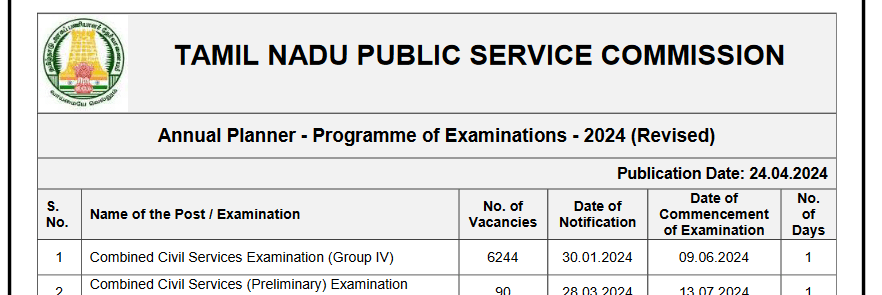
The TNPSC Group 4 Answer Key 2024 and Question Paper are available. Use the provided answer key and question paper PDF to evaluate your performance in the TNPSC Group 4 Exam held on 9th June 2024.
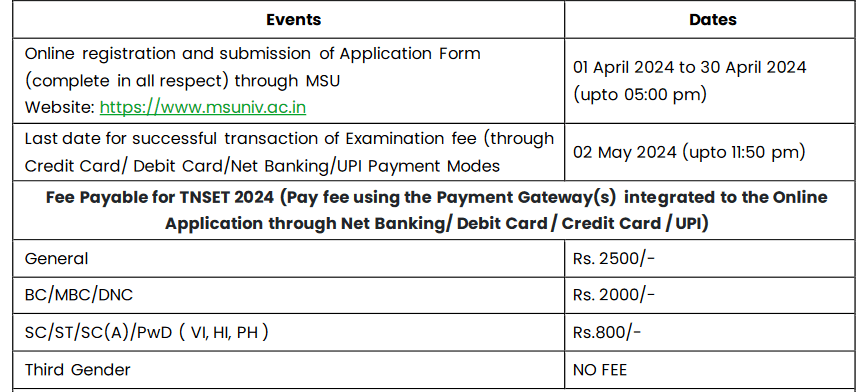
Tamil Nadu State Eligibility Test for Assistant Professors examination scheduled on 7th and 8th June 2024 is postponed due to technical reasons. The revised date will be intimated later.
The Government of Tamil Nadu vide its G.O.(D) No.262 dated 02 -09-2023 has nominated Manonmaniam Sundaranar University as “Nodal Agency” to conduct State Eligibility Test (SET) from the academic year 2023-2024 on behalf of the Government of Tamil Nadu. UGC vide its letter No.F.7-7/2015(NET/SET) dated 20-09-2023 has updated its official record that Manonmaniam Sundaranar University is the “Nodal Agency”.
Pattern of Examination
The TNSET would be conducted in the pattern of UGC-NET. Accordingly, the test will consist of two papers as in UGC-NET. Both the papers are only of objective type and multiple choice questions (MCQ) in Computer Based Test (CBT) mode. There will be no break between the papers.






 SAAI Academy