
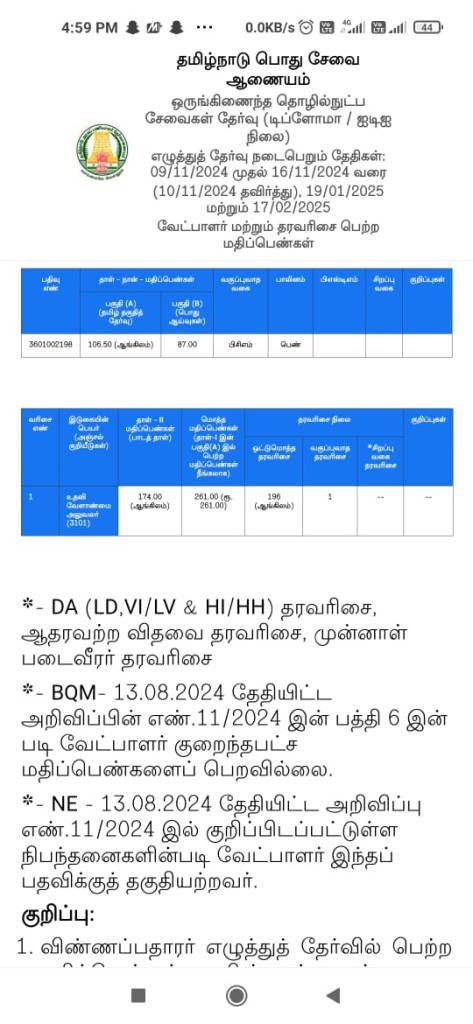
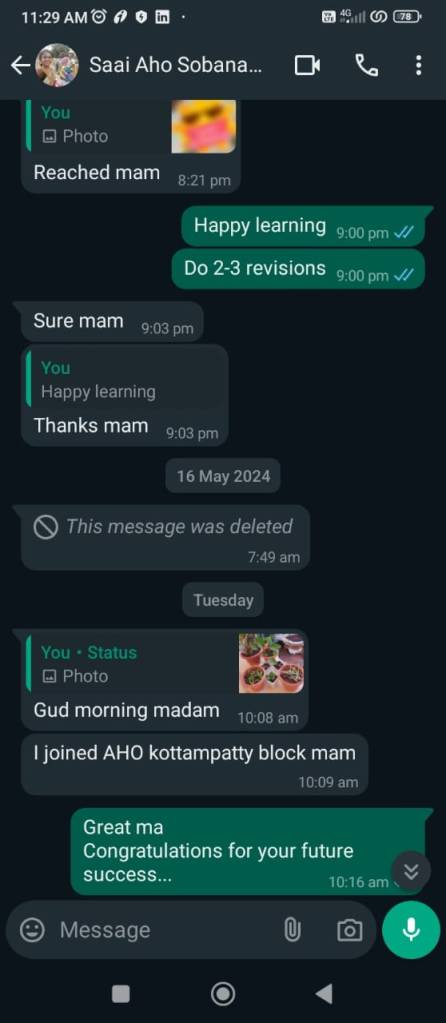
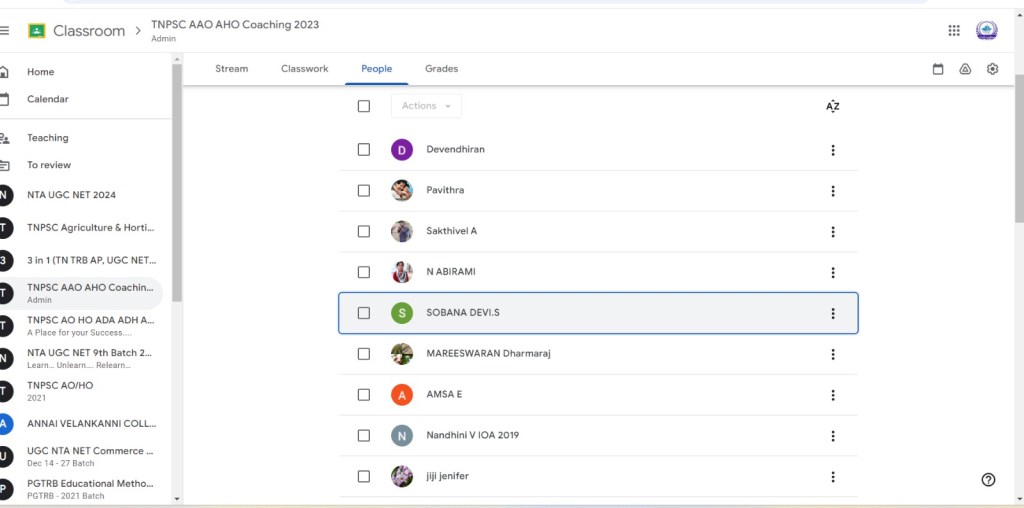
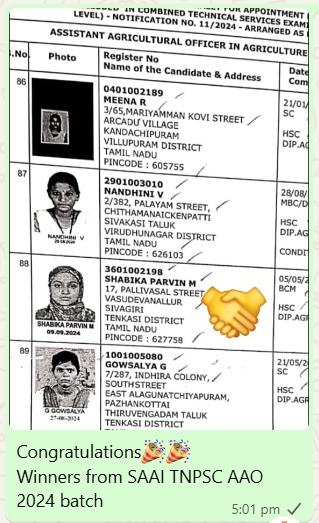
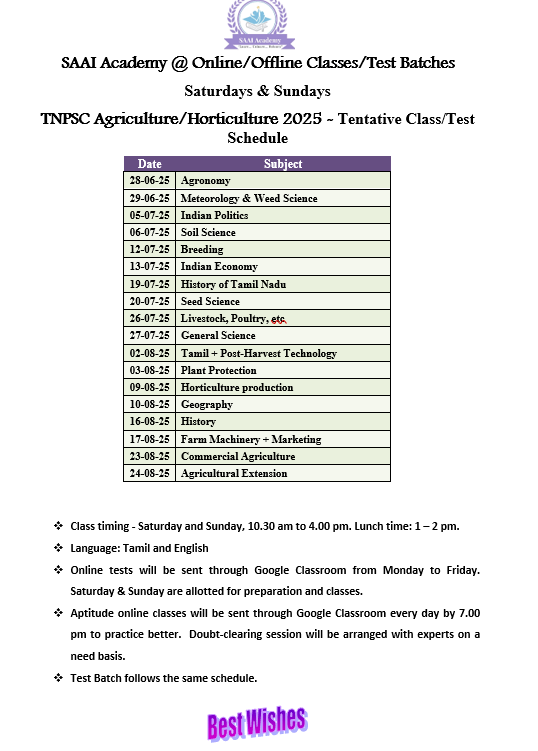
Sample SAAI Winners… Classes will start by last week of June 2025

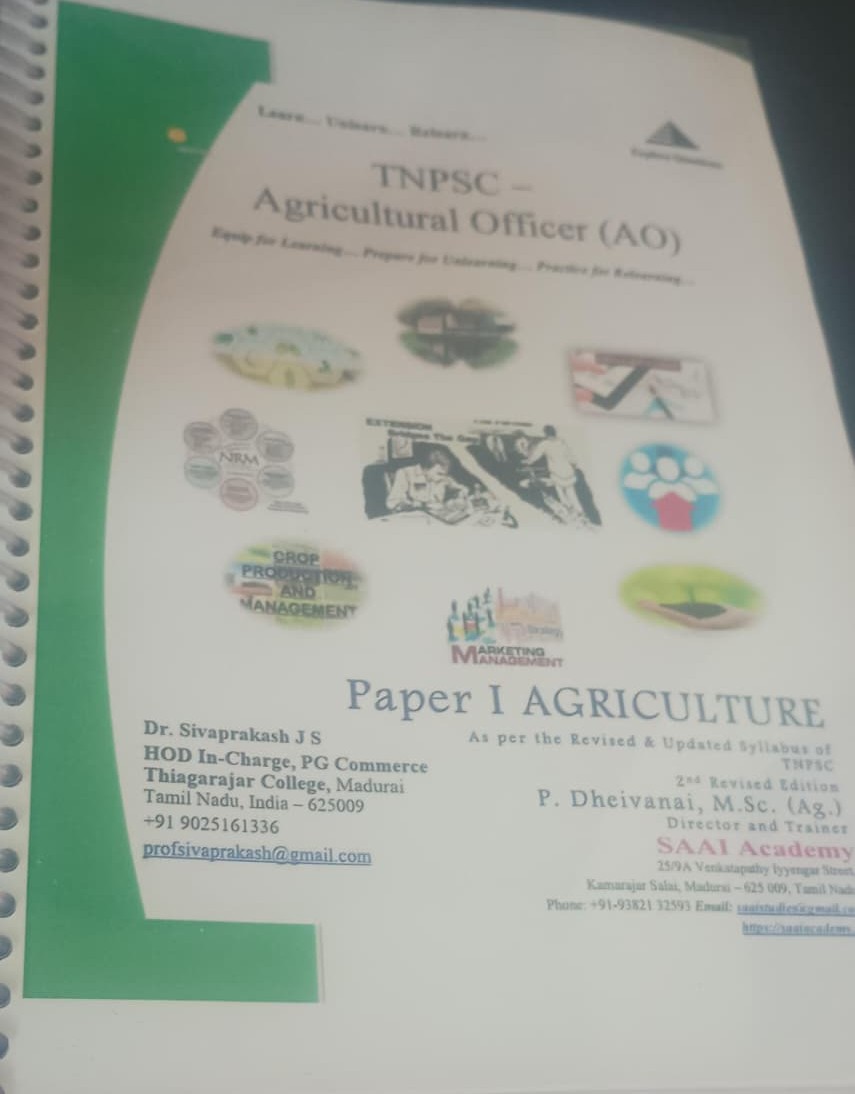
Model Book Pages
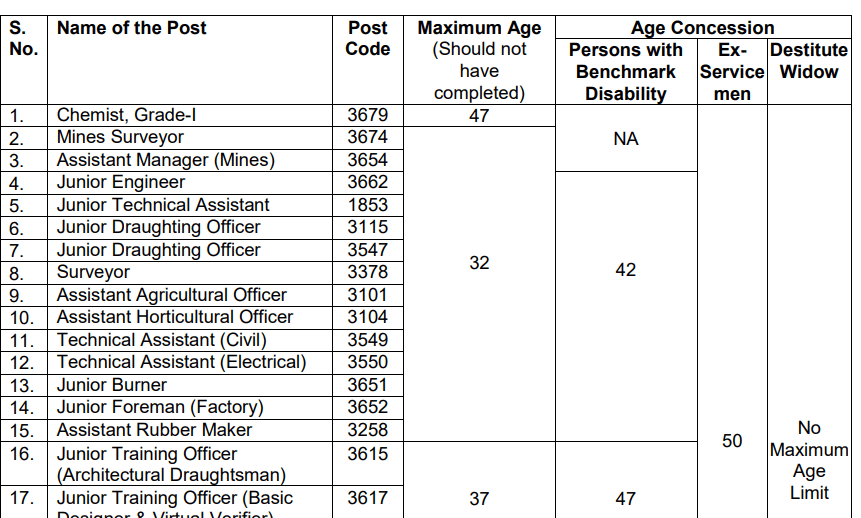


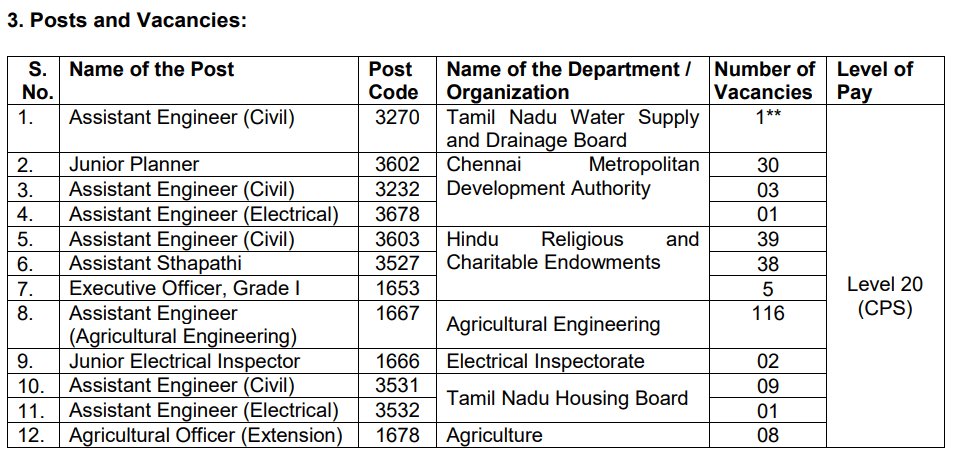
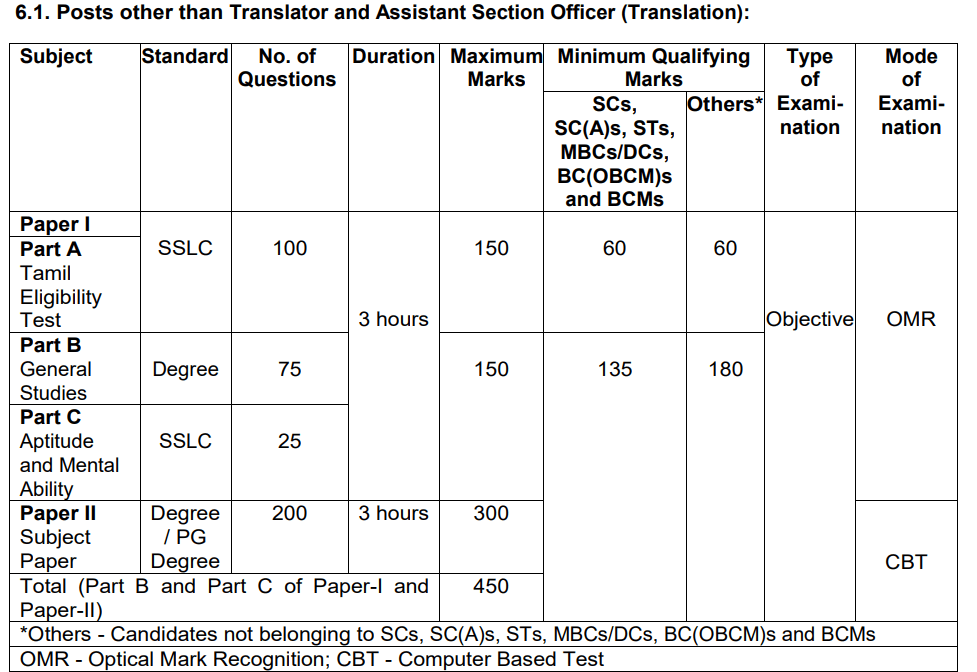
The right books are crucial for effective preparation for the TNPSC Agriculture & Agricultural Engineering exams. Since these posts are technical, a strong conceptual understanding along with TNPSC-specific preparation is essential. Why SAAI Academy Books Are Important?
Time Efficiency – Avoids wasting time on irrelevant sources.
Accurate Syllabus Coverage – TNPSC has a defined syllabus; SAAI books ensure no topic is missed.
Concept Clarity – Agriculture & Agri-Engineering require scientific and technical depth, which SAAI books provide.
Exam-Oriented Content – SAAI books focus specifically on TNPSC pattern (objective Q&A, previous papers).
7 நாள் பரிந்துரைக்கப்பட்ட சமச்சீர் உணவுத் திட்டம்
The meals include a mix of carbohydrates, proteins, healthy fats, fiber, and essential vitamins.
உணவில் கார்போஹைட்ரேட்டுகள், புரதங்கள், ஆரோக்கியமான கொழுப்புகள், நார்ச்சத்து மற்றும் அத்தியாவசிய வைட்டமின்கள் கலந்திருக்கும்.

⏰ Ideal Meal Timings (For Best Digestion)
1️⃣ Breakfast: 6:30-8:30 AM (Start with warm water/lemon water to activate digestion)
2️⃣ Mid-Morning Snack: 10:30-11:30 AM (Fruits/dry fruits)
3️⃣ Lunch: 12:30-2:00 PM
4️⃣ Evening Snack: 4:00-5:00 PM (Light snacks only - avoid heavy foods)
5️⃣ Dinner: 7:30-9:00 PM (Finish before 9 PM for proper digestion before sleep)

💡 Pro Tips:
• Wait 2-3 hours after dinner before sleeping
• Avoid drinking 30 minutes before/after meals (dilutes digestive juices)
• Choose nuts/fruits in the evening (avoid fried items)

⏰ உணவு நேர பரிந்துரைகள் (சிறந்த ஜீரணத்திற்கு):
காலை உணவு: 6:30-8:30 AM (வெந்நீர்/எலுமிச்சை தண்ணீருடன் தொடங்கவும்)

காலை இடை உணவு: 10:30-11:30 AM (பழம்/உலர் பழம்)

மதிய உணவு: 12:30-2:00 PM

மாலை சிற்றுண்டி: 4:00-5:00 PM (எளிய சிற்றுண்டி)

இரவு உணவு: 7:30-9:00 PM (இரவு 9:00 மணிக்கு முன் முடிக்கவும்)

💡 குறிப்புகள்:
தூக்கம்: இரவு உணவுக்குப் பிறகு 2-3 மணி நேரம் கழித்து.

நீர்: உணவுக்கு 30 நிமிடம் முன்பும்/பின்பும் குடிக்காதீர்கள் (ஜீரணத்தை பாதிக்கும்).

சிற்றுண்டி: மாலை 4-5 PM க்கு இடையே எளிய தின்பண்டங்கள் (வேர்க்கடலை/பழம்).
| Day | Breakfast | Lunch | Dinner |
| Day 1 | Idli + Sambar + Coconut Chutney + Milk | Brown Rice + Keerai Kootu + Fish Curry (or Toor Dal) + Cucumber Salad + Curd | Ragi Dosa + Tomato Chutney + Moong Dal Soup + Steamed Veg |
| Day 2 | Pongal + Ghee + Sambar + Banana | Millet Rice + Vendakkai Curry + Soya Kuzhambu + Buttermilk | Adai + Avial + Mint Chutney |
| Day 3 | Ragi Kanji + Jaggery & Nuts + Boiled Egg (or Sprouts) | Jeera Rice + Mutton Kuzhambu (or Mushroom Curry) + Beetroot + Curd with Flaxseeds | Chapati + Cabbage Poriyal + Dal |
| Day 4 | Dosa + Peanut Chutney + Sukku Coffee | Lemon Rice + Egg Curry (or Chana Masala) + Carrot Beans Stir-fry + Buttermilk | Foxtail millet Upma + Curd + Steamed Sweet Potato |
| Day 5 | Puttu + Kadala Curry + Papaya | Sambar Rice + Cabbage Poriyal + Fish Fry (or Tofu Fry) + Curd Rice | Bajra Roti + Brinjal Curry + Moringa Soup |
| Day 6 | Oats Upma + Vegetables + Almond Milk | Multigrain Roti + Dal Fry + Cucumber Salad + Buttermilk | Tomato Rice + Raita + Boiled Egg (or Paneer ) |
| Day 7 | Appam + Vegetable Stew + Black Coffee / Green Tea | Millet Khichdi + Drumstick Sambar + Curd with Pomegranate | Whole Wheat Pasta + Veggies + Sprouts Salad |
| நாள் | காலை உணவு | மதிய உணவு | இரவு உணவு |
| நாள் 1 | இட்லி (2-3) + சாம்பார் + தேங்காய் சட்னி + பால் | கருப்பு ரைஸ் / சாதம் + கீரை கூட்டு + மீன் குழம்பு (அ) துவரம் பருப்பு + வெள்ளரி சாலட் + தயிர் | ராகி தோசை + தக்காளி சட்னி + பாசிப்பருப்பு சூப் + வேகவைத்த காய்கறிகள் |
| நாள் 2 | பொங்கல் + நெய் + சாம்பார் + வாழைப்பழம் | ராகி கஞ்சி + வெல்லம் & கொட்டைகள் + வேகவைத்த முட்டை (அ) முளைக்கடலை | அடை + அவியல் + புதினா சட்னி |
| நாள் 3 | ராகி கஞ்சி + வெல்லம் & கொட்டைகள் + வேகவைத்த முட்டை (அ) முளைக்கடலை | ஜீரா சாதம் + மட்டன் குழம்பு (அ) காளான் குழம்பு + பீட்ரூட் + தயிர் (ஆளிவிதை) | சப்பாத்தி (2) + முட்டைக்கோஸ் பொரியல் + பருப்பு |
| நாள் 4 | தோசை + வேர்க்கடலை சட்னி + சுக்கு காபி | எலுமிச்சை சாதம் + முட்டை குழம்பு (அ) கொண்டைக்கடலை மசாலா + கேரட் பீன்ஸ் வறுவல் + மோர் | திணை உப்புமா + தயிர் + வேகவைத்த சர்க்கரைவள்ளிக் கிழங்கு |
| நாள் 5 | புட்டு + கடலை குழம்பு + பப்பாளி | சாம்பார் சாதம் + முட்டைக்கோஸ் பொரியல் + மீன் வறுவல் (அ) டோஃபூ வறுவல் + தயிர் சாதம் + ஊறுகாய் | கம்பு ரொட்டி + கத்தரிக்காய் குழம்பு + முருங்கை இலை சூப் |
| நாள் 6 | ஓட்ஸ் உப்புமா + காய்கறிகள் + பாதாம் பால் | பல தானிய ரொட்டி + பருப்பு வறுவல் + வெள்ளரி & வெங்காய சாலட் + மோர் | தக்காளி சாதம் + ரைதா + வேகவைத்த முட்டை (அ) பன்னீர் |
| நாள் 7 | அப்பம் + காய்கறி குழம்பு+ கருப்பு காபி / பச்சை தேநீர் | கம்பு / வரகு கிச்சடி + முருங்கைக்காய் சாம்பார் + தயிர் (மாதுளை) | கோதுமை பாஸ்தா + காய்கறிகள் + முளைகட்டிய தானிய சாலட் |
This meal plan is a general guideline. It should be customized according to individual health needs, including physical conditions and medical requirements. Always consult with a nutritionist or healthcare provider before making dietary changes. – This is especially important for conditions like diabetes, pregnancy, digestive issues, or other health concerns.
இந்த உணவுத் திட்டம் ஒரு பொதுவான வழிகாட்டுதலாகும். உடல் நிலைகள் மற்றும் மருத்துவத் தேவைகள் உட்பட தனிப்பட்ட தேவைகளுக்கு ஏற்ப இது மாற்றம் செய்யப்பட வேண்டும். உணவுமுறையில் மாற்றங்களைச் செய்வதற்கு முன் எப்போதும் ஒரு ஊட்டச்சத்து நிபுணரை அணுகவும் - நீரிழிவு நோயாளிகள், கர்ப்பிணி பெண்கள், செரிமானப் பிரச்சினைகள் அல்லது பிற உடல்நல பிரச்சினைகள் உள்ளவர்களுக்கு இது மிகவும் பொருந்தும்.

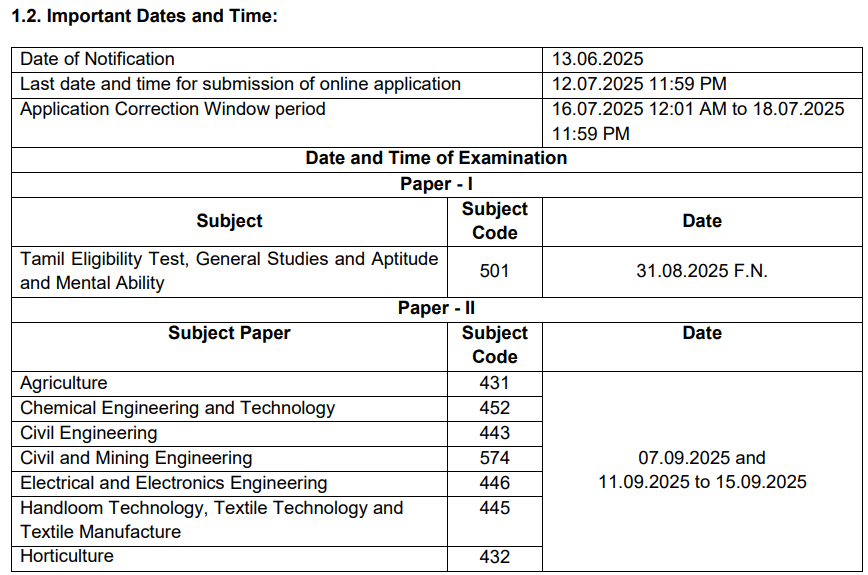
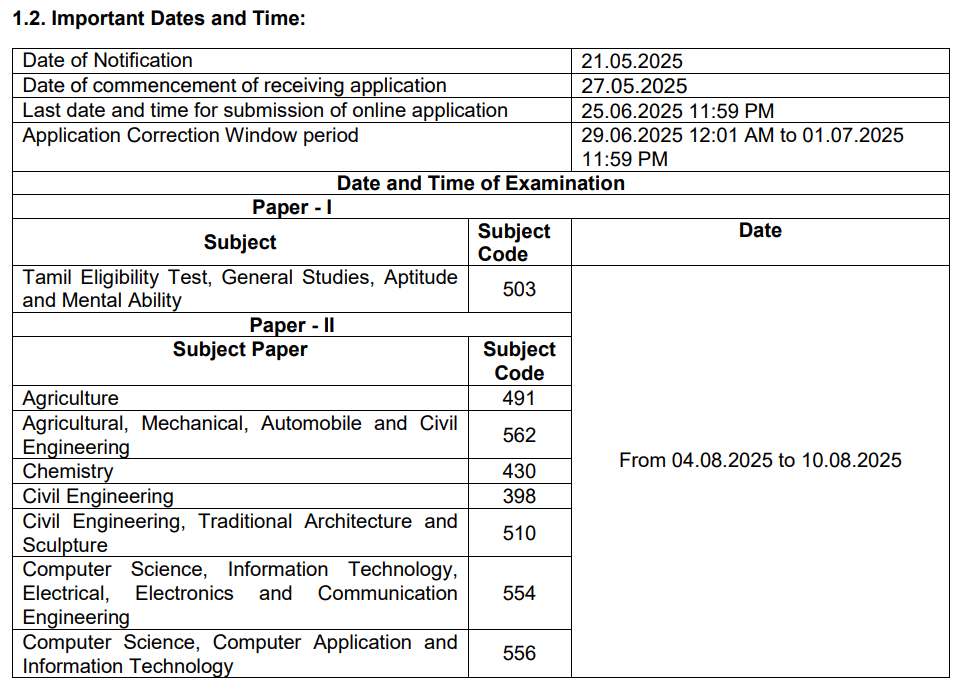
| Event | Date & Time |
|---|---|
| Notification Release | 01.04.2025 |
| Last Date to Apply Online | 30.04.2025 (11:59 PM) |
| Application Correction Window | 05.05.2025 (12:01 AM) – 07.05.2025 (11:59 PM) |
| Preliminary Exam Date | 15.06.2025 (9:30 AM – 12:30 PM) |
| Main Exam Date | To be announced later |
(Degree must be from a UGC-recognized university.)
(Corrections allowed from 05.05.2025 to 07.05.2025.)
✔ Focus on Forestry, Environment & TN-specific policies
✔ Solve previous years’ TNPSC Group 1A papers
✔ Stay updated with current affairs (National & TN)
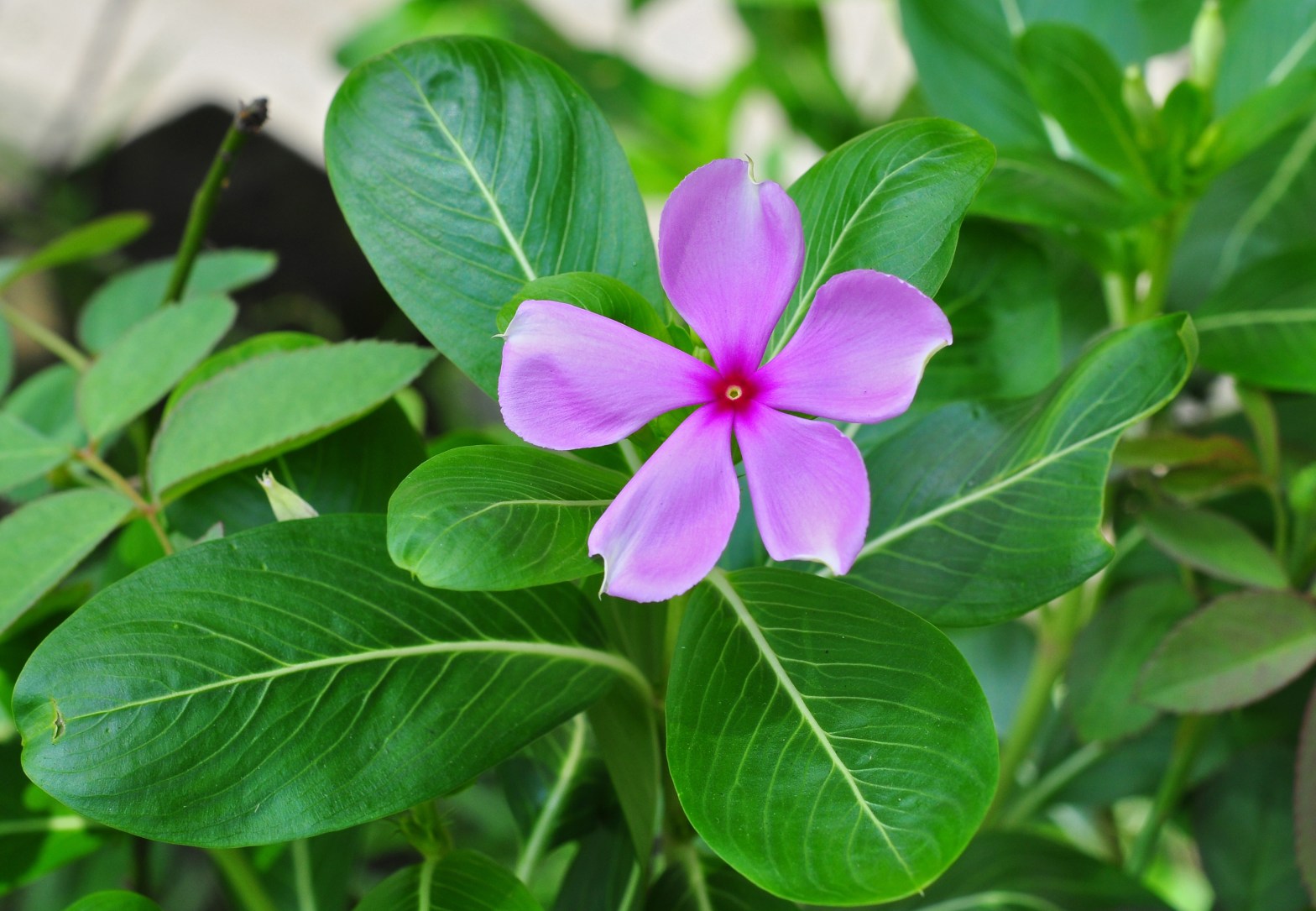
மாடி தோட்டத்திற்கான கோடை பராமரிப்பு குறிப்புகள்
Taking care of a terrace garden during the scorching summer months requires special attention. We need to focus on watering, shading, soil health, and pest control.
கொளுத்தும் கோடை மாதங்களில் மாடித் தோட்டத்தைப் பராமரிப்பதில் சிறப்பு கவனம் தேவை. நீர்ப்பாசனம், நிழல், மண் ஆரோக்கியம் மற்றும் பூச்சி கட்டுப்பாடு ஆகியவற்றில் நாம் கவனம் செலுத்த வேண்டும்.
Water early morning or late evening to reduce evaporation. Deep watering is better than frequent shallow watering (encourages deep root growth). Use drip irrigation or self-watering systems to keep consistent moisture. Mulch (with straw, dried leaves, or coco peat) to keep soil moisture.
நீர்ப்பாசன குறிப்புகள்: நீர் ஆவியாவதைக் குறைக்க அதிகாலை அல்லது மாலையில் தண்ணீர் பாய்ச்ச வேண்டும். அடிக்கடி ஆழமற்ற நீர்ப்பாசனம் செய்வதை விட ஆழமான நீர்ப்பாசனம் சிறந்தது (ஆழமான நீர்ப்பாசனம் வேர் வளர்ச்சியை ஊக்குவிக்கிறது). சீரான ஈரப்பதத்தை பராமரிக்க சொட்டு நீர்ப்பாசனம் அல்லது சுய நீர்ப்பாசன முறைகளைப் பயன்படுத்தவும். மண்ணின் ஈரப்பதத்தை பராமரிக்க தழைக்கூளம் (வைக்கோல், உலர்ந்த இலைகள் அல்லது தென்னை நார்கழிவு).
Use shade nets (50-70%) to protect delicate plants from harsh sunlight. Move potted plants to a partially shaded area during peak heat (11 AM–4 PM). Use light-colored containers (they absorb less heat than dark ones). Install temporary pergolas or green nets to diffuse sunlight.
நிழல் மற்றும் வெப்ப பாதுகாப்பு: மென்மையான தாவரங்களை கடுமையான சூரிய ஒளியிலிருந்து பாதுகாக்க நிழல் வலைகளை (50-70%) பயன்படுத்தவும். உச்ச வெப்பத்தின் போது (காலை 11 மணி முதல் மாலை 4 மணி வரை) தொட்டிகளில் வளர்க்கப்படும் தாவரங்களை ஓரளவு நிழலாடிய பகுதிக்கு நகர்த்தவும். வெளிர் நிற கொள்கலன்களைப் பயன்படுத்தவும் (அவை இருண்டவற்றை விட குறைந்த வெப்பத்தை உறிஞ்சும்). சூரிய ஒளியைப் பரப்ப தற்காலிக பெர்கோலாக்கள் அல்லது பச்சை வலைகளை நிறுவவும்.
Add organic compost (vermicompost, cow dung) to improve water retention. Avoid chemical fertilizers in extreme heat (can burn roots); use liquid organic fertilizers (like Panchakavya or Jeevamirtham or seaweed or fish emulsion). Check soil moisture daily—terrace gardens dry out faster than ground soil.
மண் & உரமிடுதல்: நீர் தேக்கத்தை மேம்படுத்த கரிம உரம் (மண்புழு உரம், மாட்டு சாணம்) சேர்க்கவும். அதிக வெப்பத்தில் (வேர்களை எரிக்கக்கூடிய) ரசாயன உரங்களைத் தவிர்க்கவும்; திரவ கரிம உரங்களைப் பயன்படுத்தவும் (பஞ்சகவ்யா அல்லது ஜீவாமிர்தம் அல்லது கடற்பாசி போன்றவை). தினமும் மண்ணின் ஈரப்பதத்தைச் சரிபார்க்கவும் - மாடித் தோட்டங்கள் தரை மண்ணை விட வேகமாக வறண்டு போகும்.
Spray neem oil solution (1 tsp neem oil + 1 liter water + few drops of liquid soap) to deter pests. Remove dead leaves to prevent fungal infections. Encourage beneficial insects (ladybugs, bees) by planting marigolds or basil.
பூச்சி மற்றும் நோய் கட்டுப்பாடு: பூச்சிகளைத் தடுக்க வேப்ப எண்ணெய் கரைசலை (1 தேக்கரண்டி வேப்ப எண்ணெய் + 1 லிட்டர் தண்ணீர் + சில துளிகள் திரவ சோப்பு) தெளிக்கவும். பூஞ்சை தொற்றுகளைத் தடுக்க இறந்த இலைகளை அகற்றவும். சாமந்தி அல்லது துளசியை நடுவதன் மூலம் நன்மை பயக்கும் பூச்சிகளை (லேடிபக்ஸ், தேனீக்கள்) ஊக்குவிக்கவும்.
Install windbreaks (trellis, bamboo screens) if your terrace is windy. Heavy pots should be secured to avoid toppling in strong winds.
காற்று பாதுகாப்பு: மாடியில் காற்று அதிகமாக இருந்தால், காற்றுத் தடுப்புகளை (வலைகள், மூங்கில் திரைகள்) அமைக்கவும். பலத்த காற்றில் கவிழ்வதைத் தவிர்க்க கனமான தொட்டிகளைப் பாதுகாக்க வேண்டும்.
Check for wilting, yellowing, or sunburn (brown patches on leaves). Prune damaged leaves to encourage new growth. Frequent weeding is a must.
வழக்கமான கண்காணிப்பு: வாடல், மஞ்சள் அல்லது வெயிலில் எரிதல் (இலைகளில் பழுப்பு நிற திட்டுகள்) உள்ளதா என சரிபார்க்கவும். புதிய வளர்ச்சியை ஊக்குவிக்க சேதமடைந்த இலைகளை கத்தரிக்கவும். அடிக்கடி களையெடுப்பது அவசியம்.
By adhering to these steps, your terrace garden can survive and even flourish during the hot summer months!
இந்த வழிமுறைகளைப் பின்பற்றுவதன் மூலம், உங்கள் மாடித் தோட்டம் வெப்பமான கோடை மாதங்களில் செழிக்க முடியும்!
✅ Check the official notification for the latest syllabus and exam pattern.
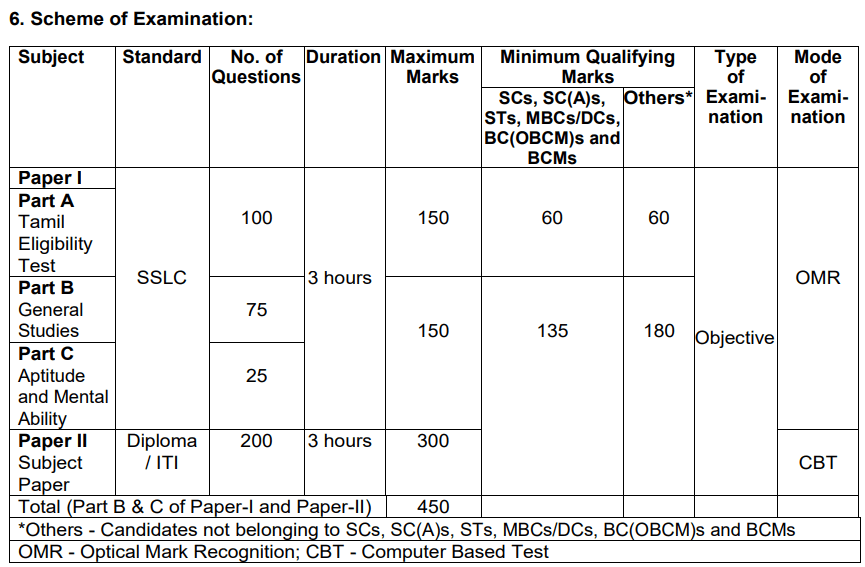
✅ Know the marking scheme (negative marking, sectional cutoffs).
✅ Focus on high-weightage topics first.
📅 Daily/Weekly Targets: Allocate time for each subject.
⏳ Time Management: Divide time for concepts, revision, and mock tests.
📌 Prioritize Weak Areas: Spend extra time on difficult topics.
📚 General Studies (TNPSC/UPSC):
✔ Standard Books .
✔ Previous Year Papers – Identify repeated questions.
✔ Online Resources (Video lessons).
📝 Take timed tests to improve speed & accuracy.
📊 Analyze mistakes and revise weak areas.
🎯 Simulate exam conditions to reduce exam-day stress.
🗞 Daily News: Read The Hindu, Indian Express, PIB.
📱 Apps & Websites: Use INSIGHTS IAS, GKToday, AffairsCloud.
📅 Monthly Magazines: Pratiyogita Darpan, Yojana.
🔄 Weekly Revision: Make short notes/flashcards.
📖 Last-Month Focus: Only revise important formulas, facts, and current affairs.
🧘 Avoid Burnout: Take short breaks, exercise, meditate.
💪 Stay Positive: Believe in your preparation.
🚫 Avoid Distractions: Limit social media, focus on goals.
“Consistency beats last-minute cramming!” Stick to your plan, track progress, and stay confident.

(For PG Assistant/ Lecturer/ Physical Education Teacher Exams)
1. Exam Levels:
Happy Learning
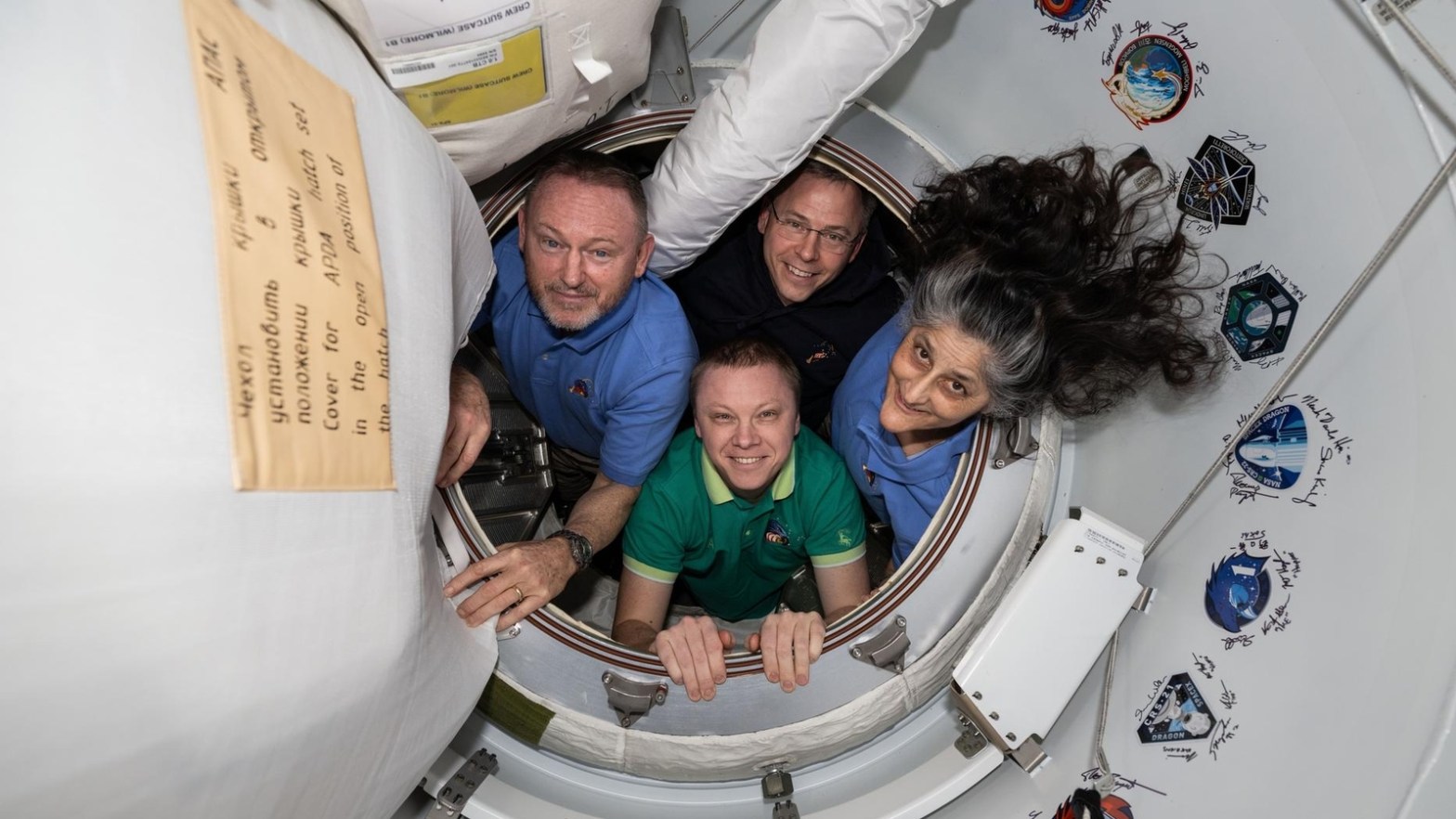
சுனிதா வில்லியம்ஸின் விண்வெளிப் பயணம் பற்றிய தகவல்கள்
Two Space Missions – Sunita Williams has been to space twice:
இரண்டு விண்வெளி பயணங்கள் – சுனிதா வில்லியம்ஸ் இரண்டு முறை விண்வெளிக்குச் சென்றுள்ளார்:
-விண்வெளி விண்கலம் டிஸ்கவரி (STS-116) இல் பயணம் 14/15 (டிசம்பர் 9, 2006 – ஜூன் 22, 2007)
Total Time in Space – She has spent a total of 322 days in space across both missions.
விண்வெளியில் மொத்த நேரம் – இரண்டு பயணங்களிலும் அவர் மொத்தம் 322 நாட்கள் விண்வெளியில் செலவிட்டார்.
Record for Female Spacewalking – At one point, she held the record for the most spacewalks by a woman (7 spacewalks, totaling 50 hours and 40 minutes).
பெண் விண்வெளி நடைப்பயணத்திற்கான சாதனை – ஒரு கட்டத்தில், அதிக விண்வெளி நடைப்பயணங்கள் செய்த பெண் என்ற சாதனையை (7 விண்வெளி நடைப்பயணங்கள், மொத்தம் 50 மணி நேரம் 40 நிமிடங்கள்) அவர் வைத்திருந்தார்.
First Indian-Origin Woman in Space – Although she is an American astronaut, she is of Indian origin and became one of the most prominent women in space exploration.
விண்வெளியில் முதல் இந்திய வம்சாவளி பெண் – அவர் ஒரு அமெரிக்க விண்வெளி வீரர் என்றாலும், அவர் இந்திய வம்சாவளியைச் சேர்ந்தவர் மற்றும் விண்வெளி ஆராய்ச்சியில் மிகவும் பிரபலமான பெண்களில் ஒருவரானார்.
First Woman to Run a Marathon in Space – While aboard the International Space Station (ISS) in 2007, she ran the Boston Marathon on a treadmill in 4 hours, 24 minutes.
விண்வெளியில் மராத்தான் ஓட்டம் நடத்திய முதல் பெண் – 2007 ஆம் ஆண்டு சர்வதேச விண்வெளி நிலையத்தில் (ISS) இருந்தபோது, பாஸ்டன் மராத்தானை 4 மணி நேரம் 24 நிமிடங்களில் ஓடினார்.
First Female Commander of ISS – She became the Commander of the ISS during Expedition 33 in September 2012, making her one of the first women to hold this position.
ISS இன் முதல் பெண் தளபதி – செப்டம்பர் 2012 இல் எக்ஸ்பெடிஷன் 33 இன் போது அவர் ISS இன் தளபதியானார், இந்தப் பதவியை வகித்த முதல் பெண்களில் ஒருவரானார்.
Selected for Boeing Starliner Mission – Sunita Williams is part of NASA’s Commercial Crew Program and has been selected to fly on Boeing’s CST-100 Starliner spacecraft for its first crewed mission, planned for 2024-2025.
போயிங் ஸ்டார்லைனர் மிஷனுக்குத் தேர்ந்தெடுக்கப்பட்டார் – சுனிதா வில்லியம்ஸ் நாசாவின் வணிகக் குழுத் திட்டத்தின் ஒரு பகுதியாக உள்ளார், மேலும் 2024-2025 இல் திட்டமிடப்பட்ட அதன் முதல் குழுவுடன் கூடிய பணிக்காக போயிங்கின் CST-100 ஸ்டார்லைனர் விண்கலத்தில் பறக்கத் தேர்ந்தெடுக்கப்பட்டுள்ளார்.
Diverse Background – She is a former U.S. Navy officer and helicopter pilot, logging over 3,000 flight hours in more than 30 aircraft.
மாறுபட்ட பின்னணி – அவர் ஒரு முன்னாள் அமெரிக்க கடற்படை அதிகாரி மற்றும் ஹெலிகாப்டர் விமானி, 30 க்கும் மேற்பட்ட விமானங்களில் 3,000 க்கும் மேற்பட்ட விமான மணிநேரங்களை பதிவு செய்தார்.
As of March 19, 2025, NASA astronauts Sunita Williams and Barry “Butch” Wilmore have safely returned to Earth after an extended mission aboard the International Space Station (ISS). They were initially launched on June 5, 2024, aboard Boeing’s Starliner spacecraft for an eight-day demonstration mission. However, due to technical issues with the Starliner’s thrusters, their stay was unexpectedly prolonged. NASA decided to return the Starliner uncrewed and awaited the availability of SpaceX’s Crew Dragon for the astronauts’ return
மார்ச் 19, 2025 நிலவரப்படி, நாசா விண்வெளி வீரர்கள் சுனிதா வில்லியம்ஸ் மற்றும் பாரி "புட்ச்" வில்மோர் ஆகியோர் சர்வதேச விண்வெளி நிலையத்தில் (ISS) நீட்டிக்கப்பட்ட பயணத்திற்குப் பிறகு பாதுகாப்பாக பூமிக்குத் திரும்பியுள்ளனர். அவர்கள் முதலில் ஜூன் 5, 2024 அன்று போயிங்கின் ஸ்டார்லைனர் விண்கலத்தில் எட்டு நாள் செயல் விளக்கப் பணிக்காக ஏவப்பட்டனர். இருப்பினும், ஸ்டார்லைனரின் த்ரஸ்டர்களில் ஏற்பட்ட தொழில்நுட்ப சிக்கல்கள் காரணமாக, அவர்களின் தங்குதல் எதிர்பாராத விதமாக நீடித்தது. நாசா ஸ்டார்லைனரை பணியாளர்கள் இல்லாமல் திருப்பி அனுப்ப முடிவு செய்தது மற்றும் விண்வெளி வீரர்கள் திரும்புவதற்கு ஸ்பேஸ்எக்ஸின் க்ரூ டிராகன் கிடைக்கும் வரை காத்திருந்தது.
The astronauts departed the ISS aboard SpaceX’s Crew Dragon capsule early Tuesday, alongside NASA astronaut Nick Hague and Russian cosmonaut Aleksandr Gorbunov. After a 12-hour journey, they safely splashed down in the Gulf of Mexico at 5:57 p.m. ET.
செவ்வாய்க்கிழமை அதிகாலை, நாசா விண்வெளி வீரர் நிக் ஹேக் மற்றும் ரஷ்ய விண்வெளி வீரர் அலெக்சாண்டர் கோர்புனோவ் ஆகியோருடன், விண்வெளி வீரர்கள் ஸ்பேஸ்எக்ஸின் க்ரூ டிராகன் காப்ஸ்யூலில் ஐஎஸ்எஸ்ஸிலிருந்து புறப்பட்டனர். 12 மணி நேர பயணத்திற்குப் பிறகு, அவர்கள் மாலை 5:57 ET மணிக்கு மெக்சிகோ வளைகுடாவில் பாதுகாப்பாக தரையிறங்கினர்.

Repotting perennial plants is essential for their health and longevity. It Prevents Root Binding, Refreshes Soil Nutrients, Improves Drainage, Controls Pests, Diseases and Encourages Healthy Growth. Key signs that indicate it’s time to repot are yield loss, Roots Growing Out of Drainage Holes, Root-Bound Plant (Circling Roots), Roots Visible on the Soil Surface, Stunted Growth, Soil Dries Out Too Quickly, Water Not Absorbing Well, and Nutrient Deficiency Signs.
பல்லாண்டு தாவரங்களை மீண்டும் மறுநடவு செய்வது அவற்றின் ஆரோக்கியத்திற்கும் நீண்ட ஆயுளுக்கும் அவசியம். இது வேர் பிணைப்பைத் தடுக்கிறது, மண் ஊட்டச்சத்துக்களை புதுப்பிக்கிறது, வடிகால் மேம்படுத்துகிறது, பூச்சிகள், நோய்களைக் கட்டுப்படுத்துகிறது மற்றும் ஆரோக்கியமான வளர்ச்சியை ஊக்குவிக்கிறது. மகசூல் இழப்பு, வடிகால் துளைகளுக்கு வெளியே வளரும் வேர்கள், வேருடன் கூடிய தாவரம் (வட்டமிடும் வேர்கள்), மண்ணின் மேற்பரப்பில் தெரியும் வேர்கள், வளர்ச்சி குன்றியது, மண் மிக விரைவாக காய்ந்துவிடும், நீரை நன்றாக உறிஞ்சாதது மற்றும் ஊட்டச்சத்து குறைபாடு அறிகுறிகள் ஆகியவை மீண்டும் நடவு செய்ய வேண்டிய நேரம் என்பதைக் குறிக்கும் முக்கிய அறிகுறிகள்.
📆 Fast-Growing Plants: Every 10 – 18 months (e.g., Roses, Hibiscus, Moringa, Curry leaves etc.,). வேகமாக வளரும் தாவரங்கள்: ஒவ்வொரு 10 – 18 மாதங்களுக்கு ஒருமுறை (எ.கா., ரோஜா, செம்பருத்தி, முருங்கை, கறிவேப்பிலை போன்றவை).
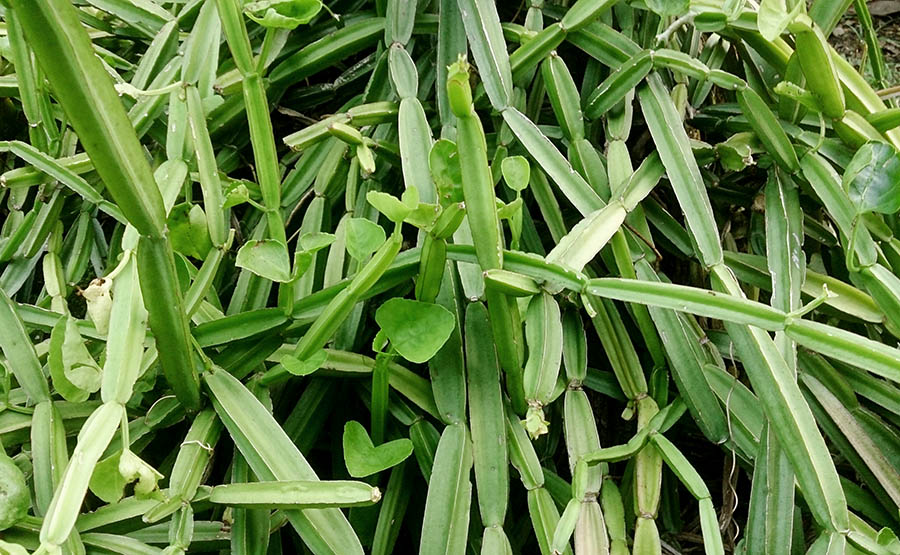
📆 Slow-Growing Plants: Every 2–3 years (e.g., succulents, cacti). மெதுவாக வளரும் தாவரங்கள்: ஒவ்வொரு 2-3 வருடங்களுக்கு ஒருமுறை (எ.கா., சதைப்பற்றுள்ள, வறட்சியை தாங்கும் தாவரங்கள், கற்றாழை).
📆 Large, Established Plants: Every 3–5 years, or top-up with fresh soil annually instead of full repotting. பெரிய, வளர்ந்த தாவரங்கள்: ஒவ்வொரு 3-5 வருடங்களுக்கு ஒருமுறை, அல்லது முழுமையாக மாற்றுவதற்கு பதிலாக ஆண்டுதோறும் மேல்மணலை கிளறி விட்டு புதிய மண் கலவையினை இடவும். (எ.கா., மா, சப்போட்டா, எலுமிச்சை)
செய்ய சிறந்த நேரம்: 🌿 வசந்த காலம் மற்றும் கோடையின் ஆரம்பம் - தாவரங்கள் அவற்றின் சுறுசுறுப்பான வளர்ச்சிக் கட்டத்தில் நுழைவதால் சிறந்தது. 🍂 இலையுதிர் காலம் சில பல்லாண்டு பழங்களை இலையுதிர் காலத்தில் மீண்டும் நடலாம்.
பல்லாண்டு தாவரங்களை மீண்டும் நடவு செய்வதற்கான படிகள்
1. Choose the Right Time: Early spring or fall is ideal, as plants experience less stress during these seasons.
1. சரியான நேரத்தை தேர்ந்தெடுங்கள்: இந்த பருவங்களில் தாவரங்கள் குறைவான அழுத்தத்தை அனுபவிப்பதால், வசந்த காலத்தின் துவக்கம் அல்லது இலையுதிர் காலம் சிறந்தது.
2. Select a Suitable Pot: Choose a pot 1–2 inches larger in diameter than the current one. Ensure it has drainage holes to prevent waterlogging.
2. பொருத்தமான பானையைத் தேர்ந்தெடுங்கள்: தற்போதையதை விட 1-2 அங்குல விட்டம் கொண்ட பானையைத் தேர்ந்தெடுக்கவும். நீர் தேங்குவதைத் தடுக்க வடிகால் துளைகள் இருப்பதை உறுதிப்படுத்திக் கொள்ளுங்கள்.
3. Prepare Fresh Potting Mix: Use a well-draining, nutrient-rich potting mix suitable for the plant type. Mix in organic compost for added fertility.
3. புதிய பாட்டிங் கலவையை தயார் செய்யவும்: தாவர வகைக்கு ஏற்ற, நன்கு வடிகட்டும், ஊட்டச்சத்து நிறைந்த பாட்டிங் கலவையைப் பயன்படுத்தவும்.
4. Remove the Plant from the Old Pot: Water the plant a few hours before repotting. This can also be done during the night to ease removal. Gently tap or squeeze the pot’s sides and tilt the plant out. If the pot is large, lay it on the ground or terrace. Apply gentle pressure to the sides to loosen the root ball. If the pot is small to medium-sized, put it on a raised platform. Turn the pot upside down. Gently tap the rim against the platform. Seek assistance from others to safely handle and collect the depotted plant. Loosen the root ball carefully and remove excess old soil.
4. பழைய தொட்டியில் இருந்து செடியை அகற்றவும்: செடியை மீண்டும் நடவு செய்வதற்கு சில மணிநேரங்களுக்கு முன்பு தண்ணீர் பாய்ச்சவும். அகற்றுவதை எளிதாக்க, இரவு நேரத்திலும் நீர் விடலாம். பானையின் பக்கங்களை மெதுவாக தட்டவும் அல்லது அழுத்தவும் மற்றும் செடியை வெளியே எடுக்கவும். பானை பெரியதாக இருந்தால், தரையில் அல்லது மொட்டை மாடியில் செடியுடன் பானையினை சாய்த்து வைக்கவும். வேர் பந்தைத் தளர்த்த பக்கங்களுக்கு மென்மையான அழுத்தத்தைப் பயன்படுத்துங்கள். பானை சிறியதாகவும் நடுத்தரமாகவும் இருந்தால், அதை உயர்த்தப்பட்ட மேடையில் வைக்கவும். பானையை தலைகீழாக திருப்பவும். மேடைக்கு எதிராக விளிம்பை மெதுவாகத் தட்டவும். டிபோட் செய்யப்பட்ட செடியை பாதுகாப்பாக கையாளவும் சேகரிக்கவும் மற்றவர்களின் உதவியை நாடுங்கள். வேர் பந்தை கவனமாக தளர்த்தவும், அதிகப்படியான பழைய மண்ணை அகற்றவும்.
5. Trim the Roots (If Necessary): Cut away any dead or overly tangled roots to encourage fresh growth. Avoid cutting too much—leave a healthy root system intact.
5. வேர்களை ஒழுங்கமைக்கவும் (தேவைப்பட்டால்): புதிய வளர்ச்சியை ஊக்குவிக்க, இறந்த அல்லது அதிகமாக சிக்கியுள்ள வேர்களை வெட்டி விடுங்கள். அதிகமாக வெட்டுவதைத் தவிர்க்கவும் - ஆரோக்கியமான வேர் அமைப்பை அப்படியே விட்டு விடுங்கள்.
6. Place the Plant in the New Pot: Use a sliced coconut shell as the bottom layer. You can also use a broken mud pot slice or small stones. These will help avoid the drainage hole block. Add a layer of fresh soil with other nutrients as next layer. Position the plant so the root crown sits just below the rim. Fill around the roots with soil, pressing lightly to eliminate air pockets.
6. புதிய தொட்டியில் செடியை வைக்கவும்: கீழ் அடுக்காக உடைந்த தேங்காய் ஓடு பயன்படுத்தவும். நீங்கள் உடைந்த மண் பானை துண்டு அல்லது சிறிய கற்களைப் பயன்படுத்தலாம். இவை வடிகால் துளை அடைப்பைத் தவிர்க்க உதவும். அடுத்த அடுக்காக மற்ற ஊட்டச்சத்துக்களுடன் புதிய மண்ணின் ஒரு அடுக்கைச் சேர்க்கவும். வேர் பகுதி பானை விளிம்பிற்குக் கீழே அமர்ந்திருக்கும் வகையில் தாவரத்தை நிலைநிறுத்தவும். தேவையற்ற காற்று துளைகளை அகற்ற சிறிது அழுத்தி, வேர்களைச் சுற்றி மண்ணை நிரப்பவும்.
7. Water and Settle the Plant: Water thoroughly to help the soil settle around the roots. Allow excess water to drain out.
7. செடிக்கு தண்ணீர் ஊற்றவும்: வேர்களைச் சுற்றி மண் குடியேற உதவும். அதிகப்படியான தண்ணீரை வெளியேற்ற அனுமதிக்கவும்.
8. Provide Proper Aftercare: Keep the plant in a shaded area for a few days to reduce transplant shock. Resume normal watering and fertilizing after about a week.
8. முறையான பின் பராமரிப்பை வழங்கவும்: மாற்று அதிர்ச்சியைக் குறைக்க ஒரு சில நாட்களுக்கு ஒரு நிழல் பகுதியில் தாவரத்தை வைக்கவும். ஒரு வாரத்திற்குப் பிறகு சாதாரண நீர்ப்பாசனம் மற்றும் உரமிடுதலைத் தொடரவும்.

 SAAI Academy