The National Testing Agency (NTA) has been appointed by the University Grants Commission (UGC) to conduct UGC-NET, which is a test to evaluate the eligibility of Indian nationals for ‘Assistant Professor’ and ‘Junior Research Fellowship and Assistant Professor’ in Indian universities and colleges.
Until June 2018, the NET was conducted by CBSE in 84 subjects at 91 cities across the country. Thereafter from December 2018 on wards, the UGC-NET is being conducted by NTA.
NTA will conduct UGC-NET December 2021 and June 2022 (merged cycles) for ‘Junior Research Fellowship’ and eligibility for ‘Assistant Professor’ in 82 subjects in Computer Based Test (CBT) mode.
Tamil Nadu Public Service Commission has revised the syllabus for Group 2, Group 2A and Combined Civil Services Examination – IV (Group 4).Check out the revised syllabus and examination pattern here.
பிரபலமான நீர்வாழ் தாவரங்கள் @ மாடித்தோட்டம் மற்றும் வீடு தோட்டம்
Everyone likes to install aquarium in their home either in terrace or in ground. Simple ways to install and maintain pond are,
ஒவ்வொருவரும் தங்கள் வீட்டில் மொட்டை மாடியில் அல்லது தரையில் நீர் தாவரங்களை வளர்க்க விரும்புவார்கள். நீர் தாவர குளத்தை நிறுவுவதற்கான எளிய வழிகள்,
Choose an appropriate place to install the pond. Partial shady places are recommended in tropical region. Otherwise 50% shade net or thatching with locally available leaf materials (Areca/palm/coconut leaves) are preferable.
Water proof area can be chosen
Can use plastic pots and trays as pond @ terrace. Cement pots with the height of 1 feet is enough to grow Lotus, Lilies and other aquatic plants. Length and breadth is according to the space availability.
Quality of water could be recognized through Lotus bloom. Because, lotus will bloom only in good quality water.
Appropriate pot mix would be 1 part of sand: 2 part of clay or garden soil: 1 part of vermicompost or dried cow dung:
Pot mix filling: 15 -20 cm height as base is recommended. Water logging would be 20-30 height cm.
Take out 2/3 portion of the water from the pond and refill the fresh water once in a 7-10 days.
Apply vermicompost 100-200g in each pot in a fortnightly interval.
Snail, mealybugs and mosquito is the major problems with the aquatic plants. Rearing fish in the aquarium will minimize the mosquito incidence.
Snails would be floating in the water or settled under the leaves. Snail infested leaves will appear as discolored or with holes. So, physical collection and eradication of snail/infested leaves is much easier.
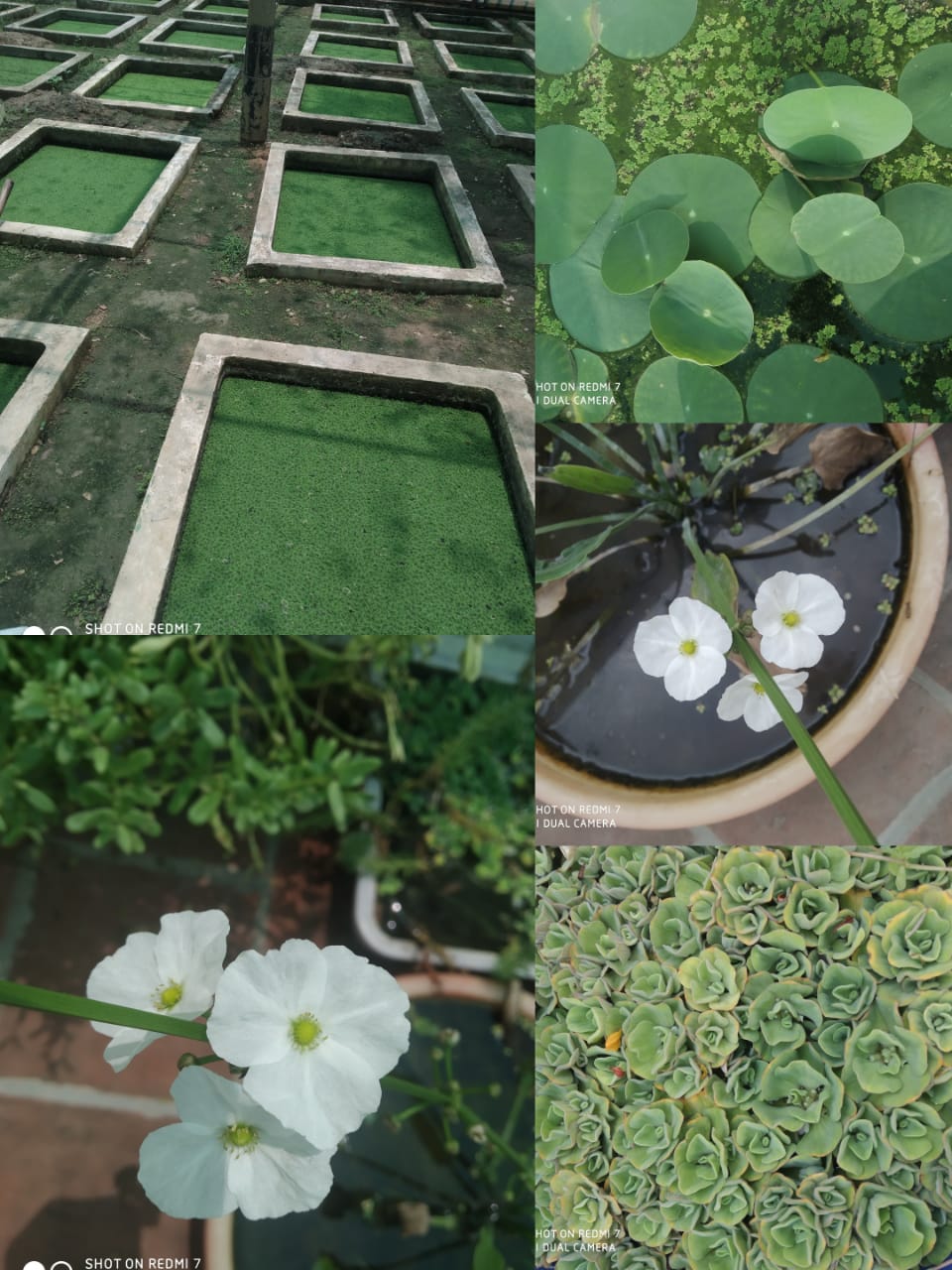
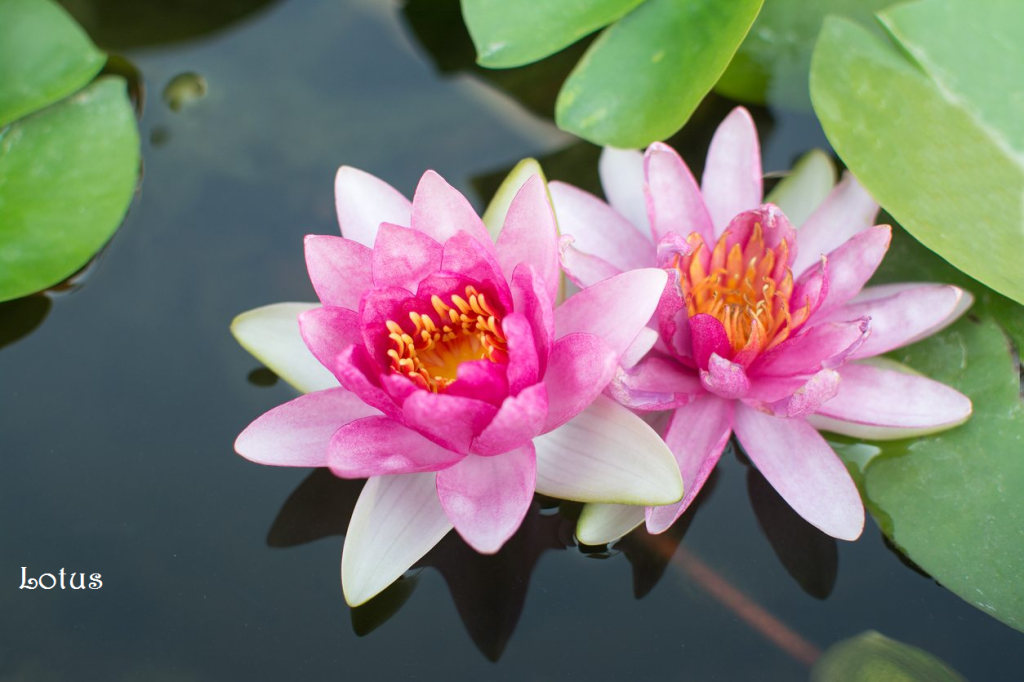
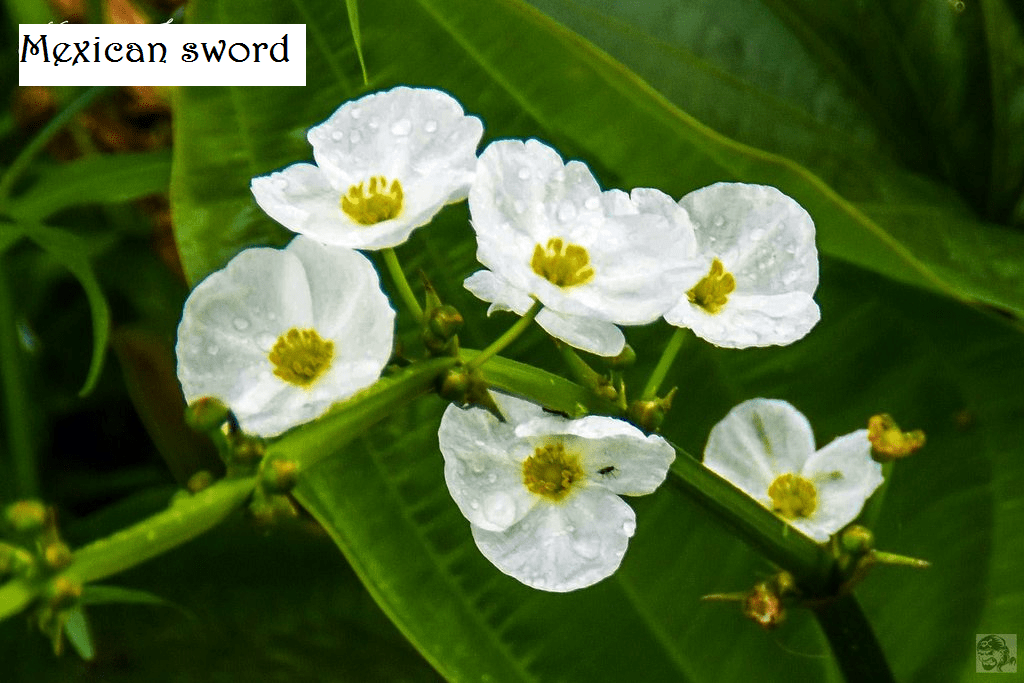
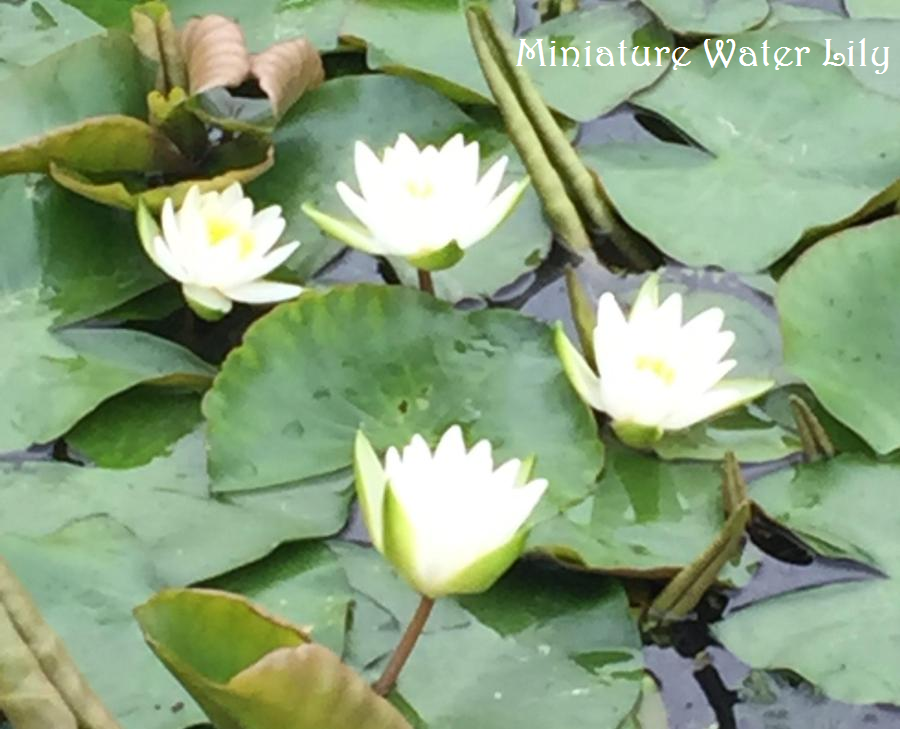
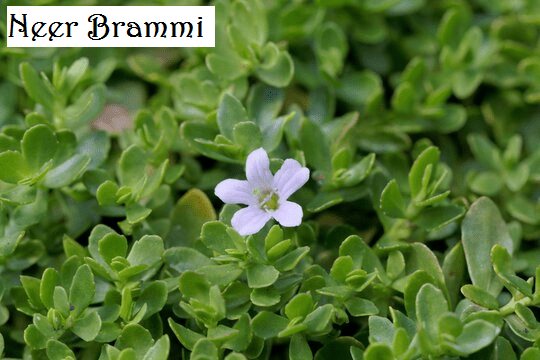
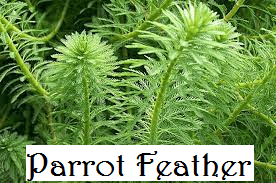
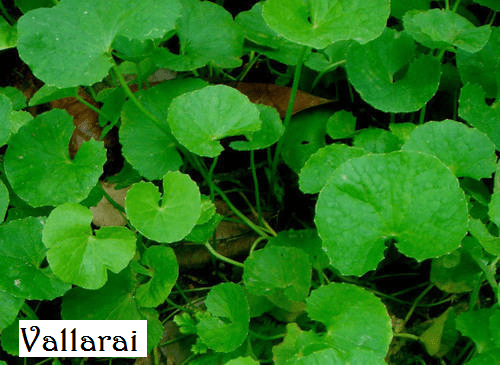
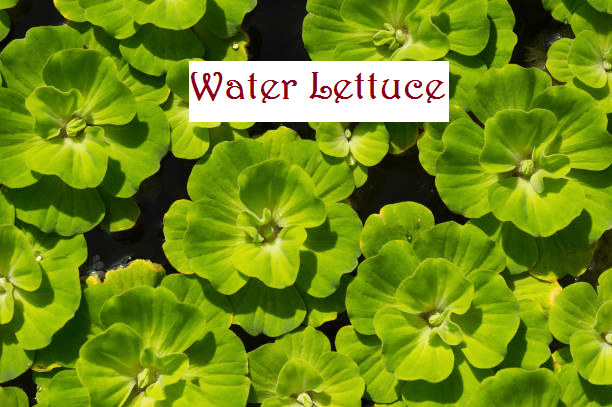
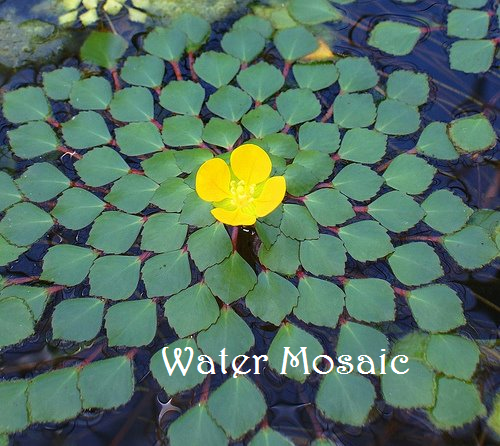
List of aquatic plants can be grown in the terrace / home is displayed as picture.
குளத்தை நிறுவ பொருத்தமான இடத்தை தேர்வு செய்யவும்.
வெப்பமண்டலப் பகுதிகளில் பகுதி நிழலான இடங்கள் பரிந்துரைக்கப்படுகின்றன. இல்லையெனில், 50% நிழல் வலை அல்லது தங்கள் பகுதியில் கிடைக்கும் இலைப் பொருட்களைக் கொண்டு (பாக்கு /பனை/தேங்காய் ஓலைகள்) கொட்டகை அமைப்பது சிறப்பு.
மாடியில் நீர் புகாத பகுதியை தேர்வு செய்யலாம்
குளம் அமைக்க மொட்டை மாடியில் பிளாஸ்டிக் பானைகள் மற்றும் தட்டுக்களைப் பயன்படுத்தலாம். தாமரை, அல்லி மற்றும் பிற நீர்வாழ் தாவரங்களை வளர்க்க 1 அடி உயரம் கொண்ட சிமெண்ட் தொட்டிகள் போதும். நீளமும் அகலமும் இடம் இருப்பதைப் பொறுத்து அமைக்கலாம்.
தாமரை மலர்கள் மலர்வதன் மூலம் நீரின் தரத்தை அறிய முடியும். ஏனெனில், நல்ல தண்ணீரில்தான் தாமரை பூக்கும்.
பொருத்தமான பானை கலவையானது மணல் 1 பங்கு: களிமண் அல்லது தோட்ட மண் 2 பங்கு: மண்புழு உரம் அல்லது உலர்ந்த மாட்டுச் சாணம் 1 பங்கு
மண் கலவை நிரப்புதல்: அடித்தளமாக 15 -20 செ.மீ உயரம் பரிந்துரைக்கப்படுகிறது. நீர் தேங்குவது 20-30 செ.மீ உயரம் இருப்பது சிறப்பு.
குளத்திலிருந்து 2/3 பங்கு நீரை எடுத்து 7-10 நாட்களுக்கு ஒருமுறை புதிய நீரை மாற்ற வேண்டும்.
மண்புழு உரம் 100-200 கிராம் ஒவ்வொரு தொட்டியிலும் பதினைந்து நாட்களுக்கு ஒருமுறை இடவும்.
நத்தை, மாவுப்பூச்சி மற்றும் கொசு ஆகியவை நீர்வாழ் தாவரங்கள் குளத்தின் முக்கிய பிரச்சனைகளாகும்.
குளத்தில் மீன் வளர்ப்பது கொசுக்களின் தாக்கத்தை குறைக்கும்.
நத்தைகள் தண்ணீரில் மிதக்கும் அல்லது இலைகளுக்கு அடியில் காணப்படும். நத்தை தாக்கப்பட்ட இலைகள் நிறமாற்றம் அல்லது துளைகளுடன் காணப்படும். எனவே, நத்தை/பாதிக்கப்பட்ட இலைகளை சேகரித்து அழிப்பது மிகவும் எளிதானது.
மாவு பூச்சி மேலாண்மைக்கு இந்த இடுகையைப் பார்க்கவும்: https://saaiacademy.in/2020/10/01/management-of-healthy-plants-from-pests-and-diseases/
மொட்டை மாடியில்/வீட்டில் வளர்க்கக்கூடிய நீர்வாழ் தாவரங்களின் பட்டியல் மேலே படமாக காட்டப்பட்டுள்ளது.
திருநீற்றுப்பச்சிலை வளர்ப்பு, சப்ஜா விதைகளை பிரித்தெடுக்க எளிதான வழிமற்றும்அதன் பயன்பாடு
Scientific name : Ocimum basilicum
Common name: French Basil or Sweet Basil or Thiruneetrupachilai
Sweet Basil is popularly known for its aromatic leaves and Sabja or Falooda seeds. Popular herb and easy to maintain in warm weather condition. It can be easily grow in ground or grow bags or even in waste small boxes. Just sprinkle the seeds on the soil or potting mix. It will start sprouting within 5-7 days and grow automatically with less care. We will get the Sabja seeds from the plant within 2 months and will get seeds continuously. Actually, Sweet Basil is perennial plant in tropical regions and as annual plant in temperate regions.
திருநீற்றுப்பச்சிலை / இனிப்பு துளசி அதன் நறுமண இலைகள் மற்றும் சப்ஜா அல்லது ஃபலூடா விதைகளுக்காக பிரபலமாக அறியப்படுகிறது. பிரபலமான மூலிகை மற்றும் வெப்ப மண்டல பகுதிகளில் பராமரிக்க எளிதானது. இது தரையில் அல்லது வளர்ப்பு பைகள் அல்லது சிறிய டப்பாக்களில் கூட எளிதாக வளர்க்கலாம். விதைகளை மண்ணில் அல்லது மண் கலவையில் தெளித்து விட்டாலே போதும். இது 5-7 நாட்களுக்குள் முளைக்க ஆரம்பித்து, குறைந்த கவனிப்புடன் தானாகவே வளரும். 2 மாதங்களுக்குள் சப்ஜா விதைகளை செடியிலிருந்து பெறலாம். தொடர்ந்து விதைகள் கிடைக்கும். திருநீற்றுப்பச்சிலை வெப்பமண்டல பகுதிகளில் பல்லாண்டு தாவரமாகவும், குளிர் பிரதேசங்களில் வருடாந்திர தாவரமாகவும் உள்ளது.
Easy to chew leaves directly. The leaves of plant contain methylchaylcol, linalol, eugenol, thymol and xanthamicrol. It has good medicinal value.
இலைகளை அப்படியே சாப்பிடலாம். இலைகளில் மீதில்சைல்கோல், லினாலோல், யூஜெனால், தைமால் மற்றும் சாந்தாமிக்ரோல் ஆகியவை உள்ளன. இது நல்ல மருத்துவ குணம் கொண்டது.
Easy way to extract Sabja seeds
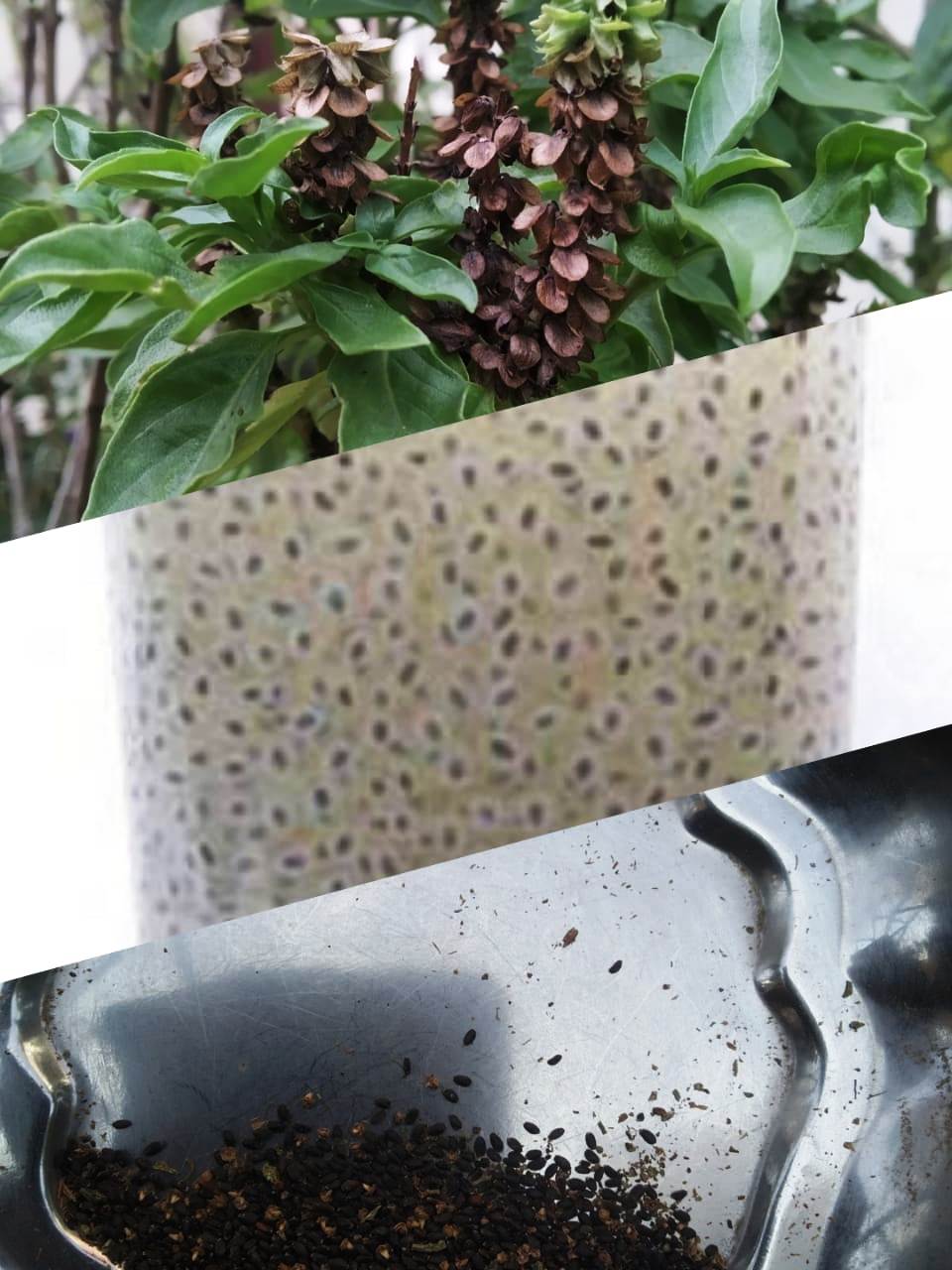
Small white flowers grow in spikes at the ends of the stems and it will convert as seeds
Collect the dried matured seed stalks
Sun dry it for a day
Take out the seeds with the help of hand
One or two round of smooth grinding the tiny seed pods with the help of Mixer grinder
Sieve with large mesh
Seed pods and other debris will stay on the mesh.
Tiny black seeds and small dust would be collected in a bowl.
Winnowing and blowing air will segregate the small seeds
Collect the clean seeds and store it in container
சப்ஜா விதைகளை பிரித்தெடுக்க எளிதான வழி
சிறிய வெள்ளைப் பூக்கள் தண்டுகளின் முனைகளில் வளர்ந்து விதைகளாக மாறும்
காய்ந்த முதிர்ந்த விதை தண்டுகளை சேகரிக்கவும்
ஒரு நாள் வெயிலில் காய வைக்கவும்
கையால் விதைகளை உருவி எடுக்கவும்
மிக்ஸி கிரைண்டரின் உதவியுடன் சிறிய விதை காய்களை ஒன்று அல்லது இரண்டு சுற்று மென்மையாக அரைக்கவும்
பெரிய கண்ணி கொண்டு சல்லடையில் சலிக்கவும்
மேலோடு மற்றும் மற்ற குப்பைகள் சல்லடையின் மேல் பக்கத்தில் இருக்கும்
சிறிய கருப்பு விதைகள் மற்றும் சிறிய தூசி ஒரு கிண்ணத்தில் சல்லடையின் கீழ் சேகரிக்கப்படும்.
தூற்றுதல் அல்லது ஊதுவதன் மூலம் சிறிய துகள்கள் அகற்றப்படும்
சுத்தமான விதைகளை சேகரித்து கொள்கலனில் சேமிக்கவும்
How to use Sabja seeds?
Take the sweet basil seeds in a bowl.
Remove the chaff or husks or stones if there are any from them.
Pour enough water.
They will soon begin absorbing water.
Soak them for 30 mins.
Once they absorb the water, a translucent gelatin like coating is formed around them.
Strain and then Use these soaked seeds in drinks, coolers, sherbets, ice creams, falooda or kulfis.
சப்ஜா விதைகளை எவ்வாறு பயன்படுத்துவது?
இனிப்பு துளசி விதைகளை ஒரு பாத்திரத்தில் எடுத்துக் கொள்ளவும்.
உமி அல்லது கற்கள் ஏதேனும் இருந்தால் அவற்றை நீக்கி விடவும்.
போதுமான அளவு தண்ணீர் ஊற்றவும்.
விதைகள் விரைவில் தண்ணீரை உறிஞ்சத் தொடங்கும்.
அவற்றை 30 நிமிடங்கள் ஊற வைக்கவும்.
அவை தண்ணீரை உறிஞ்சியவுடன், அவற்றைச் சுற்றி பூச்சு போன்ற ஒரு ஒளிஊடுருவக்கூடிய ஜெலட்டின் உருவாகிறது.
இந்த ஊறவைத்த விதைகளை வடிகட்டி, பானங்கள், குளிர்விப்பான்கள், சர்பத், ஐஸ்கிரீம்கள், ஃபலூடா அல்லது குல்ஃபிகளில் பயன்படுத்தவும்.
Health Benefits of Sabja seeds
Natural Body Coolant
Useful in Weight Reduction
Rich in Anti-Inflammatory & Anti-Carcinogenic Properties
Minimize Stress & Anxiety
Good for sore throats, cold and respiratory disorders.
Supports in digestion
Cure constipation.
Calming effect and can uplift your mood.
சப்ஜா விதைகளின் ஆரோக்கிய நன்மைகள்
இயற்கை உடல் குளிரூட்டி
எடை குறைப்பதில் பயனுள்ளதாக இருக்கும்
அழற்சி எதிர்ப்பு & புற்றுநோய்க்கு எதிரான பண்புகள் நிறைந்தது
மன அழுத்தம் மற்றும் பதட்டத்தை குறைக்கவும்
தொண்டை புண், சளி மற்றும் சுவாசக் கோளாறுகளுக்கு நல்லது.
செரிமானத்தை ஆதரிக்கிறது மற்றும் மலச்சிக்கலை குணப்படுத்துகிறது.
அமைதியான மனநிலையை மேம்படுத்த முடியும்.
Note: Avoid excess consumption. Better to avoid the intake by Pregnant women, feeding mothers and infants because of its slight narcotic effects.
குறிப்பு: அதிகப்படியாக சாப்பிடுவதை தவிர்க்கவும். கர்ப்பிணிப் பெண்கள், பாலூட்டும் தாய்மார்கள் மற்றும் குழந்தைகள் உட்கொள்வதைத் தவிர்ப்பது நல்லது, ஏனெனில் அதன் சிறிய மயக்க மூட்டும் விளைவுகளால்.
அசோலா (கொசு ஃபெர்ன், டக்வீட் ஃபெர்ன், ஃபேரி பாசி, நீர் ஃபெர்ன்) - சாகுபடி குறிப்புகள்
Aquatic ferns in the family Salviniaceae. Azolla used as a green manure in paddy, fixes atmospheric nitrogen and supplies N to the crop. Being an aquatic plant produces oxygen through the process of Photosynthesis. Consequently the amount of the dissolved oxygen is increased.
சால்வினியாசி குடும்பத்தில் உள்ள நீர்வாழ் ஃபெர்ன்கள். அசோலா நெல்லில் பசுந்தாள் உரமாகப் பயன்படுகிறது, வளிமண்டல நைட்ரஜனை பயிருக்கு தழை சத்தாக கிடைக்க செய்கிறது. நீர்வாழ் தாவரமாக இருப்பது. ஒளிச்சேர்க்கையின் மூலம் ஆக்ஸிஜனை உற்பத்தி செய்கிறது. இதன் விளைவாக, கரைந்த ஆக்ஸிஜனின் அளவு நீரில் அதிகரிக்கிறது.
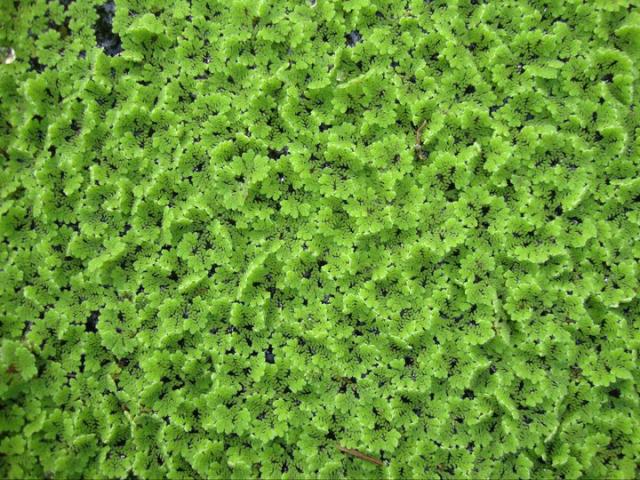
Azolla is a potential feed substitute for livestock, sheep, goats, pigs, rabbits, poultry birds and fish. Azolla have been used to control mosquito larvae in rice fields as well as in water ponds (Lotus ponds too). Azolla is an aquatic floating fern, appears as a green mat over water.
அசோலா என்பது கால்நடைகள், செம்மறி ஆடுகள், வெள்ளாடுகள், பன்றிகள், முயல்கள், கோழிகள் மற்றும் மீன்களுக்கு சாத்தியமான தீவன மாற்றாகும். அசோலா நெற்பயிர்கள் மற்றும் நீர் குளங்களில் (தாமரைக் குளங்களிலும்) கொசுவின் புழுக்களை (லார்வாக்களை) கட்டுப்படுத்த பயன்படுத்தப்படுகிறது. அசோலா ஒரு நீர்வாழ் மிதக்கும் ஃபெர்ன் ஆகும், இது தண்ணீருக்கு மேல் ஒரு பச்சை பாயைப் போல் படர்ந்து வளர்கிறது.
Production of Azolla: Mix clean fertile soil with 2 kg of cow dung, 30 g of Super Phosphate and water. Spread the mixture uniformly in the pond. To cover the 6 feet X 4 feet pond, 1 kg of fresh Azolla culture is required. Apply this culture uniformly in the pond. Make sure to have the water depth at least 5 to 6 inches in the pond. Azolla will grow rapidly and fill the pit within 10 – 15 days.
அசோலா உற்பத்தி: 2 கிலோ மாட்டுச் சாணம், 30 கிராம் சூப்பர் பாஸ்பேட் மற்றும் தண்ணீருடன் சுத்தமான வளமான மண்ணைக் கலக்கவும். கலவையை குளத்தில் ஒரே சீராக பரப்பவும். 6 அடி X 4 அடி குளத்தை மூட, 1 கிலோ அசோலா தேவை. இதை குளத்தில் ஒரே மாதிரியாகப் பரப்பிவிடவும். குளத்தில் நீர் ஆழம் குறைந்தது 5 முதல் 6 அங்குலம் இருக்குமாறு பார்த்துக்கொள்ளவும். அசோலா வேகமாக வளர்ந்து 10 - 15 நாட்களுக்குள் குளம் முழுவதும் பரவிவிடும்.
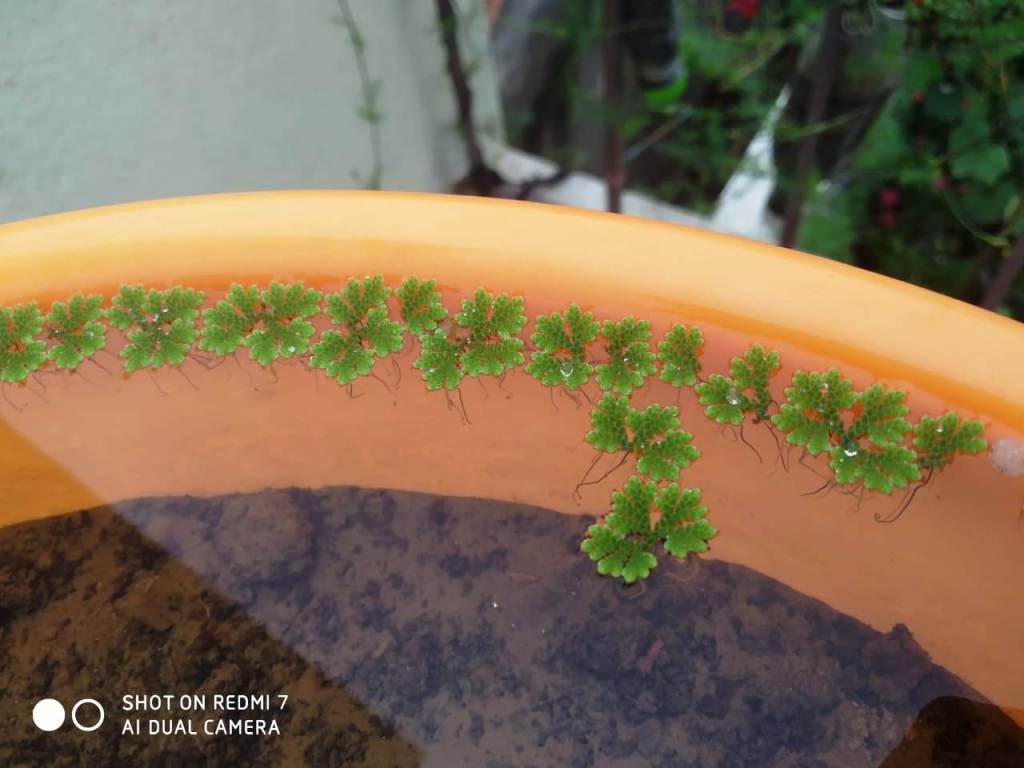
Production of Azolla at Terrace garden: Lotus pond at terrace also can be used as container for Azolla cultivation. It reduces mosquito larvae instead fish. The mixture of 1 part of soil : 1 part of vermicompost : 1 teaspoon of phosphorus mixed with water and spread evenly in 15 cm height vs. 1.5 feet diameter plastic container. Apply handful of Azolla culture uniformly in the container. It will multiply rapidly.
மாடித் தோட்டத்தில் அசோலா உற்பத்தி: மொட்டை மாடியில் உள்ள தாமரை குளத்தை அசோலா சாகுபடிக்கு கொள்கலனாகவும் பயன்படுத்தலாம். இது மீன்களுக்கு பதிலாக கொசு லார்வாக்களை குறைக்கிறது. மண்ணின் 1 பங்கு கலவை : 1 பங்கு மண்புழு உரம் : 1 டீஸ்பூன் பாஸ்பரஸ் தண்ணீரில் கலந்து 15 செ.மீ உயரம் * 1.5 அடி விட்டம் கொண்ட பிளாஸ்டிக் கொள்கலனில் சமமாக பரப்பவும். கைப்பிடி அளவு அசோலாவினை ஒரே மாதிரியாக கொள்கலனில் பரப்பிவிடவும். அது வேகமாகப் பெருகும்.
Some part of India, Azolla is using to prepare vada with dhal and consume by human beings. But, no scientific events available for it’s nutrients boosting ability with human.
இந்தியாவின் சில பகுதியில், அசோலாவினை பருப்புடன் சேர்த்து வடை தயாரித்து மனிதர்களால் உட்கொள்ளப்படுகிறது. ஆனால், அதன் ஊட்டச்சத்துக்கள் மனிதனுடனான திறனை அதிகரிக்கும் என்பதற்கான அறிவியல் பூர்வமான சான்றுகள் எதுவும் கிடைக்கவில்லை.
A mixture of 20 g of Super Phosphate and about 1 kg of cow dung should be added once every 5 days in order to maintain rapid multiplication of the azolla and to maintain the daily yield of 500 g.
அசோலாவின் விரைவான பெருக்கத்தை பராமரிக்கவும், தினசரி 500 கிராம் மகசூலை எடுக்கவும் சுமார் 20 கிராம் சூப்பர் பாஸ்பேட் மற்றும் 1 கிலோ மாட்டு சாணம் கலவையை 5 நாட்களுக்கு ஒரு முறை அசோலா குளத்தில் சேர்க்க வேண்டும்.
Slow growth of Azolla is due to phosphorous deficiency, insect/snail damage, high temperature, intense sunlight. Use insect/snail-free inoculum.
அசோலாவின் மெதுவான வளர்ச்சிகக்கான காரணங்கள் பாஸ்பரஸ் குறைபாடு, பூச்சி/நத்தை சேதம், அதிக வெப்பநிலை, தீவிர சூரிய ஒளி. பூச்சி/நத்தை இல்லாத மண் மற்றும் பிற பொருள்கள் பயன்படுத்தவும்.
For more details: P. Dheivanai, M. Sc. (Ag.) – 9382132593
The JRF Award Letters / NET E-Certificates for candidates, who have qualified for the Assistant Professor and Junior Research Fellowship (JRF) of UGC-NET June 2020 is available now. Candidate can download the E-certificate using Application Number or Roll Number of UGC-NET June 2020 and Date of Birth. For any query related to JRF Award Letters / NET e-Certificates, please e-mail to ecertificate@nta.ac.in.
காளான் வளர்ப்பு - வீட்டு உபயோகத்திற்காக சிறிய அளவில் காளான் சாகுபடி
Different types of edible mushrooms are available in the world. Among that, Paddy Straw Mushroom, Oyster Mushroom, Milky Mushroom and Button Mushroom are most commonly growing species in India. Mushroom is well known for it’s health benefits and nutritional content.
உலகில் பல்வேறு வகையான உண்ணக்கூடிய காளான்கள் கிடைக்கின்றன. அதில், நெல் வைக்கோல் காளான், சிப்பி காளான், பால் காளான் மற்றும் பட்டன் காளான் ஆகியவை இந்தியாவில் பொதுவாக வளரும் இனங்கள். காளான் அதன் ஆரோக்கிய நன்மைகள் மற்றும் ஊட்டச்சத்துதிற்கு நன்கு அறியப்பட்டதாகும்.
Mushroom Spawn
Growing steps
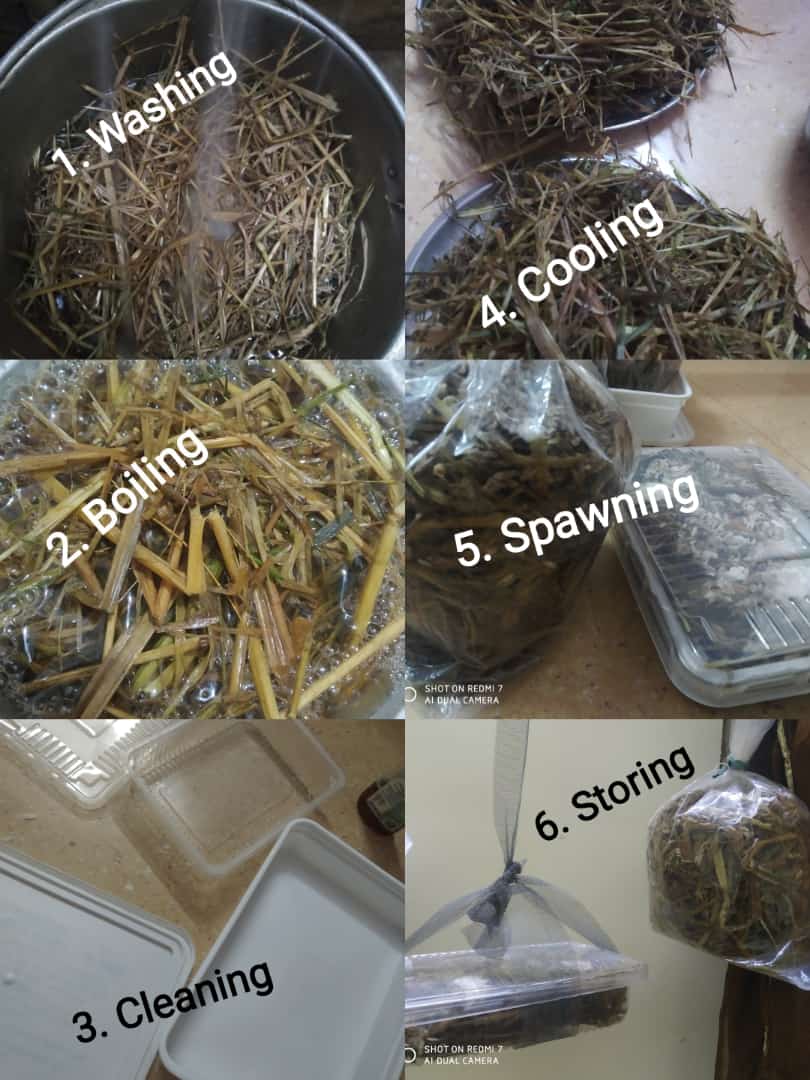
Choose pest and disease free paddy straw as medium to grow mushroom.
Selection of paddy straw: 3 months to 9 months old paddy straw is the best medium for mushroom growth. Straw should be fully dried.
Cut the paddy straw in to 10 – 15 cm pieces and wash thoroughly.
Soak the straw in a water for 6 – 12 hours to kill eggs and larvae of the harmful insects and to minimize the phenolic content in the straw.
Boil the straw for 15 – 20 minutes to kill adverse pathogens and drain the excess water.
After drain the excess water (straw should contain 60% moisture), mix green gram powder with paddy straw. It will increase the mushroom yield. Place the straw in poly bags or any other air tight containers with holes. Containers should be disinfected before placing the straw.
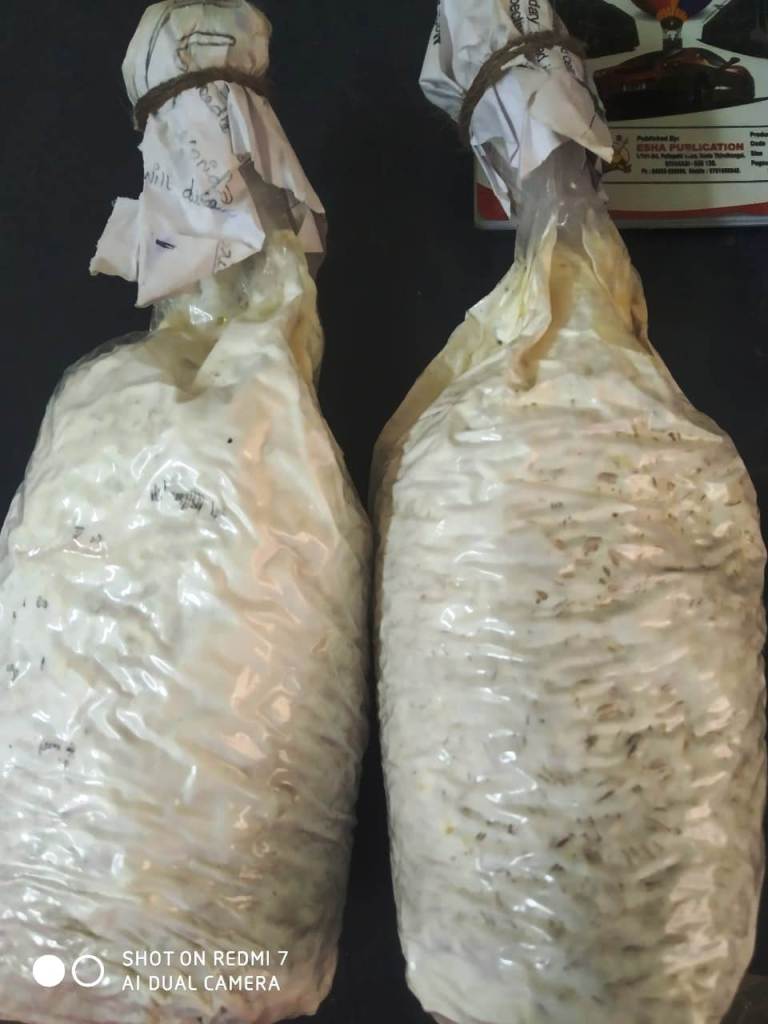
Can able to prepare 2 conical size bed by using 250-300g mushroom spawn shown in the above picture.
Maintenance of the room temperature around 25 -35° C and relative humidity of 75-80 % is must. It can be maintained by hanging wet gunny bags both the sides.
Sprinkle a small quantity of spawn on 10- 15 cm height filled paddy straw in the polybags nearer edge. No need to put centre portion of the bag. Follow the same process up to 5-6 layers. Never touch the spawn. Just sprinkle it with the help of same spawn bottles.
Choose any corner or any undisturbed place in your house and keep the filled polybags covered with Gunny bags or any thick dark color cloths.
Diffused light and good ventilation are necessary for the button development.
Spray the water daily, based on the conditions of the beds two to three sprays may be needed.
Never pour water on the beds, which leads to complete rotting of young developing buds.
Spray water on the beds only after harvesting the mushroom.
Scrap the dried buds after every harvest to ensure good yield.
Use clean knife or blade to make a longitudinal cut on poly bags to get more yield.
Harvest will start after two weeks. 4 – 5 harvest is possible in a weekly interval.
Can harvest 1 – 1.5 kg of mushroom from a bed.
காளான் வளர்க்கும் படிநிலைகள்
பூச்சி மற்றும் நோய் இல்லாத நெல் வைக்கோலை காளான் வளர்க்கும் ஊடகமாக தேர்வு செய்யவும்.
நெல் வைக்கோல் தேர்வு: 3 மாதங்கள் முதல் 9 மாதங்கள் வரையிலான நெல் வைக்கோல் காளான் வளர்ச்சிக்கு சிறந்த ஊடகம்.
நெல் வைக்கோலை 10 - 15 செமீ துண்டுகளாக வெட்டி நன்கு கழுவவும்.
முட்டைகள் மற்றும் தீங்கு விளைவிக்கும் பூச்சிகளின் லார்வாக்களை அழிக்கவும் மற்றும் வைக்கோலில் உள்ள பீனாலிக் உள்ளடக்கத்தை குறைக்கவும் வைக்கோலை 6 - 12 மணி நேரம் தண்ணீரில் ஊறவைக்கவும்.
பாதகமான நோய்க்கிருமிகளைக் கொல்ல வைக்கோலை 15-20 நிமிடங்களுக்கு வேகவைத்து அதிகப்படியான தண்ணீரை வடிக்கவும்.
டெட்டால் போன்ற கிருமிநாசினி கரைசல் மூலம் மேற்பரப்பை சுத்தம் செய்ய வேண்டும்.
அதிகப்படியான நீரை வடிகட்டிய பின் (வைக்கோலில் 60% ஈரப்பதம் இருக்க வேண்டும்), நெல் வைக்கோலுடன் பச்சைப்பயறு பொடியை கலக்கவும். இது காளான் விளைச்சலை அதிகரிக்கும். வைக்கோலை பாலி பைகளில் அல்லது துளைகள் உள்ள காற்று புகாத கொள்கலன்களில் வைக்கவும். வைக்கோல் வைப்பதற்கு முன் கொள்கலன்களை கிருமி நீக்கம் செய்ய வேண்டும்.
மேலே உள்ள படத்தில் காட்டப்பட்டுள்ள 250-300 கிராம் காளான் வித்துக்களை பயன்படுத்தி 2 கூம்பு அளவு காளான் படுக்கையை தயார் செய்யலாம்.
அறை வெப்பநிலையை 25-35 டிகிரி செல்சியஸ் மற்றும் ஈரப்பதம் 75-80% பராமரிக்க வேண்டும். ஈரமான சாக்கு பைகளை இருபுறமும் தொங்கவிடுவதன் மூலம் இதைப் பராமரிக்கலாம்.
10-15 செ.மீ உயரம் நிரப்பப்பட்ட நெல் வைக்கோல் மீது சிறிதளவு காளான் வித்துக்களை பாலிப்பைகளின் ஓர பகுதிகளில் தெளிக்கவும். பையின் மையப் பகுதியில் தெளிக்க வேண்டிய அவசியமில்லை. அதே செயல்முறையை 5-6 அடுக்குகள் வரை பின்பற்றவும். ஸ்பானை ஒருபோதும் தொடகூடாது. ஸ்பான் பாட்டில்களின் உதவியுடன் அதை தெளிக்கவும்.
உங்கள் வீட்டில் ஏதேனும் ஒரு மூலையையோ அல்லது எந்த இடையூறும் இல்லாத இடத்தையோ தேர்வு செய்து, நிரப்பப்பட்ட பாலிபேக்குகளை சாக்குபைகள் அல்லது அடர் வண்ணத் துணியால் மூடி வைக்கவும்.
காளான் வளர்ச்சிக்கு பரவலான ஒளி மற்றும் நல்ல காற்றோட்டம் அவசியம்.
தினமும் தண்ணீரை தெளிக்கவும், படுக்கைகளின் நிலைமைகளின் அடிப்படையில் இரண்டு முதல் மூன்று ஸ்ப்ரேக்கள் தினமும் தேவைப்படலாம்.
படுக்கைகள் மீது தண்ணீர் ஊற்ற வேண்டாம், இது இளம் வளரும் மொட்டுகள் முழுமையாக அழுக வழிவகுக்கிறது.
காளானை அறுவடை செய்த பின்னரே படுக்கைகளில் தண்ணீர் தெளிக்க வேண்டும்.
நல்ல மகசூலை உறுதி செய்ய ஒவ்வொரு அறுவடைக்குப் பிறகும் காய்ந்த மொட்டுகளை அகற்றவும்.
அதிக மகசூலைப் பெற, பாலிபைகளில் ஒரு நீளமான வெட்டு செய்ய சுத்தமான கத்தி அல்லது பிளேட்டைப் பயன்படுத்தவும்.
இரண்டு வாரங்களுக்குப் பிறகு அறுவடை தொடங்கும். வார இடைவெளியில் 4-5 அறுவடை செய்யலாம்.
ஒரு படுக்கையில் இருந்து 1 - 1.5 கிலோ காளான் அறுவடை செய்யலாம்.
P. Dheivanai, M.Sc. (Ag.), SAAI Greens, 9382132593
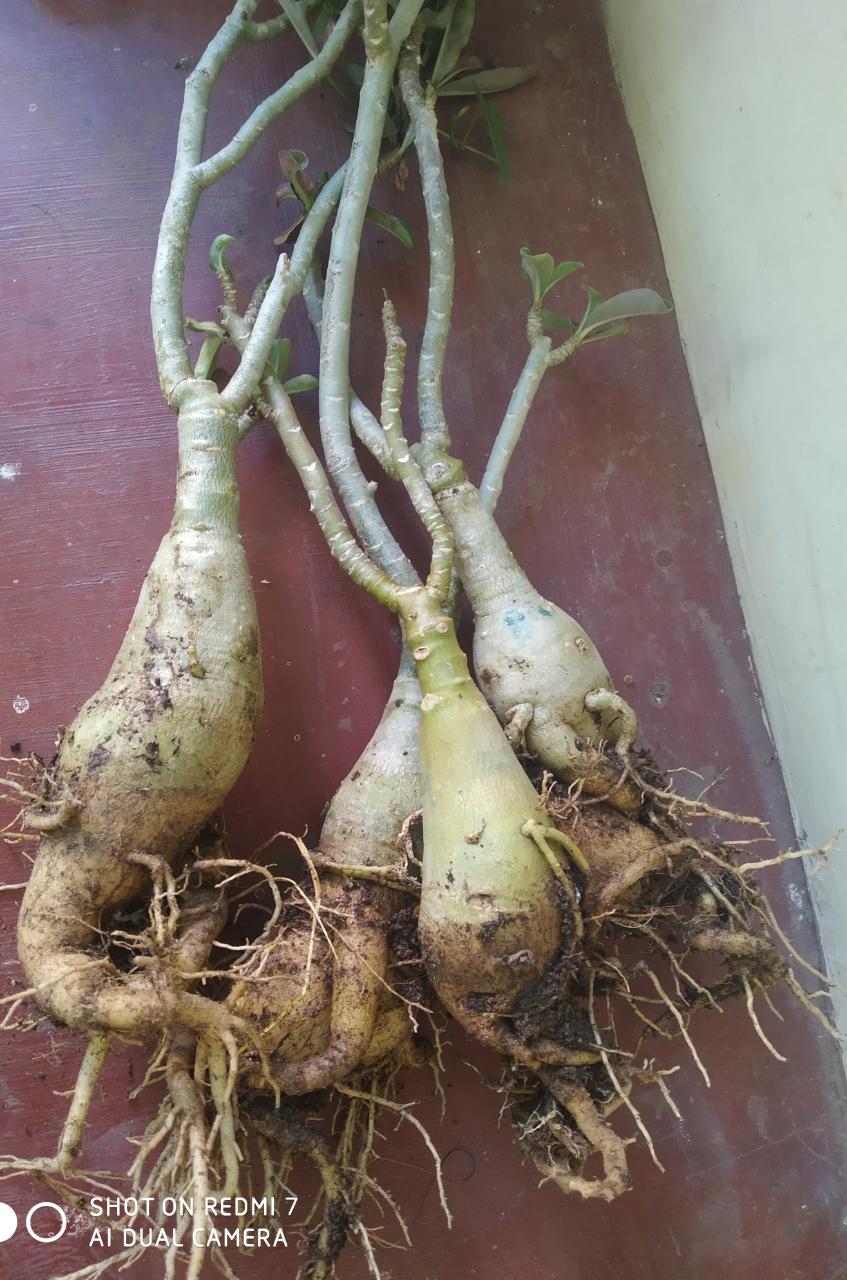
To repot desert rose during its period of active growth in the warm season – Early to mid spring. So, plants’ roots will grow faster and establish well to withstand dormancy in the winter.
வசந்த காலத்தின் துவக்கம் முதல் நடுப்பகுதி வரை - செடியின் சுறுசுறுப்பான வளர்ச்சியின் போது மாற்றுவது சிறப்பு. எனவே, அடினியம் செடிகளின் வேர்கள் வேகமாக வளர்ந்து குளிர்காலத்தில் செயலற்ற நிலையைத் தாங்கும்.
Steps to repot / அடினியம் செடிகளை இடமாற்றம் செய்வதற்கான படிநிலைகள்
Take half bucket of water – Mix half spoon of fungicide with the water
அரை வாளி தண்ணீரை எடுத்துக் கொள்ளுங்கள் - அரை ஸ்பூன் பூஞ்சைக் கொல்லியை தண்ணீரில் கலக்கவும்
Soak the seedlings for 2 hours. But Big plants, just sun dry the plants for 4-5 days. Pathogens may destroy due to sunlight. Later, just dip the plants with fungicide solution and repot it.
அடினியம் செடிகளை 2 மணி நேரம் ஊற வைக்கவும். ஆனால் பெரிய செடிகள், செடிகளை 4-5 நாட்களுக்கு வெயிலில் உலர்த்த வேண்டும். சூரிய ஒளி காரணமாக நோய்க்கிருமிகள் அழிக்கப்படலாம். பின்னர், பூஞ்சைக் கொல்லி கரைசலில் செடிகளை நனைத்து மீண்டும் நடவு செய்யவும்.
After repotting, keep them in semi shaded places for 3 – 4 days. Then shift to full sunlight after recover from transplant shock.
மீண்டும் நடவு செய்த பிறகு, அவற்றை 3-4 நாட்களுக்கு அரை நிழலான இடங்களில் வைக்கவும். மாற்று அதிர்ச்சியிலிருந்து மீண்ட பிறகு முழு சூரிய ஒளிக்கு மாற்றவும்.
The roots damage easily during repotting. So, do not water the plants for a day after re-potting. Plant will adjust, heal and adopt to the new environment.
மீண்டும் நடவு செய்யும் போது வேர்கள் எளிதில் சேதமடைகின்றன. எனவே, மீண்டும் செடிகளை மாற்றி வைத்த பிறகு ஒரு நாளைக்கு செடிகளுக்கு தண்ணீர் விடாதீர்கள். செடிகள் தானாக தற்போதைய சூழலுக்கு தன்னை மாற்றிக்கொள்ளும்
To prevent root rot in Desert Rose – to avoid overwatering. Soak and dry watering method is best – Water thoroughly and let the soil moisture almost completely dry before watering again.
பாலைவன ரோஜாவில் வேர் அழுகலைத் தடுக்க - அதிகப்படியான நீர்ப்பாசனத்தைத் தவிர்க்கவும். பாய்ச்சல் மற்றும் காய்ச்சல் முறை சிறந்தது - நன்கு தண்ணீர் ஊற்றவும், மண்ணின் ஈரப்பதம் முழுமையாக உலர்ந்த பிறகு, மீண்டும் தண்ணீர் விடவும்.
TNPSC Group 2 notification 2022 published on February 23, 2022, for 5529 CCSE-II vacancies. TNPSC Group 2 Application Form Start Date: February 23, 2022. Group-II Application Form Last Date: 23 March 2022 (Tentative). Date of Examination: May 21, 2022 FN (Tentative).
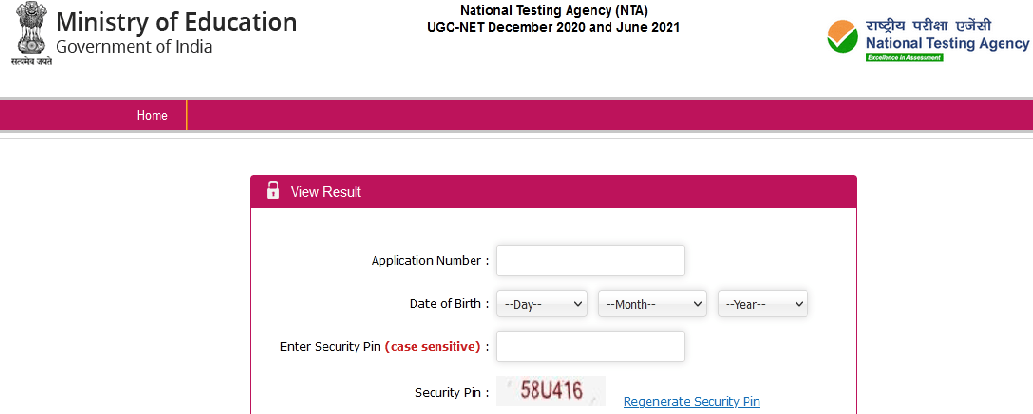
UGC NET 2021-22 Result: University Grants Commission, National Eligibility Test has released the UGC NET 2021 Result on 19th February 2022 @ ugcnet.nta.nic.in. Candidates who appeared in NTA UGC NET for December 2020 and June 2021 can download their results by entering their roll number and date of birth.
The commission had conducted the December 2020 and June 2021 cycle of exams together due to the COVID-19 pandemic. Around 12 lakh candidates appeared for the exam. The exams were held in three phases.
Phase 1 : between 20 November and 5 December, Phase 2 : between 24 and 27 December 2021, and Phase 3 : on 4 and 5 January 2022. The exam was conducted for 81 subjects in 837 centers across the country at 239 cities. Click the link to download your result. https://testservices.nic.in/resultservices/UGCNet-auth-2021
UGC NET Result: Re-evaluation/ Rechecking: No correspondence
SAAI Academy is the pioneer institution in NTA UGC NET Coaching and 54 qualified as Assistant Professors, out of 6 candidates who have cleared JRF in various subjects.
Online classes are dealing through G Meet platform. Google classroom is used to upload the virtual materials. Interested contact 9382132593 / saaistudies@gmail.com for more details.
Classes are handling with the experienced staffs
Crispy materials
Past 15 previous years questions discussion to explore the pattern of NET question