TNPSC Group 2 notification 2022 published on February 23, 2022, for 5529 CCSE-II vacancies. TNPSC Group 2 Application Form Start Date: February 23, 2022. Group-II Application Form Last Date: 23 March 2022 (Tentative). Date of Examination: May 21, 2022 FN (Tentative).
UGC NET 2021-22 Result: University Grants Commission, National Eligibility Test has released the UGC NET 2021 Result on 19th February 2022 @ ugcnet.nta.nic.in. Candidates who appeared in NTA UGC NET for December 2020 and June 2021 can download their results by entering their roll number and date of birth.
The commission had conducted the December 2020 and June 2021 cycle of exams together due to the COVID-19 pandemic. Around 12 lakh candidates appeared for the exam. The exams were held in three phases.
Phase 1 : between 20 November and 5 December, Phase 2 : between 24 and 27 December 2021, and Phase 3 : on 4 and 5 January 2022. The exam was conducted for 81 subjects in 837 centers across the country at 239 cities. Click the link to download your result. https://testservices.nic.in/resultservices/UGCNet-auth-2021
UGC NET Result: Re-evaluation/ Rechecking: No correspondence
SAAI Academy is the pioneer institution in NTA UGC NET Coaching and 54 qualified as Assistant Professors, out of 6 candidates who have cleared JRF in various subjects.
Online classes are dealing through G Meet platform. Google classroom is used to upload the virtual materials. Interested contact 9382132593 / saaistudies@gmail.com for more details.
Classes are handling with the experienced staffs
Crispy materials
Past 15 previous years questions discussion to explore the pattern of NET question
The candidates who appeared for the UGC-NET December 2020 and June 2021 Examination may login into the website https://ugcnet.nta.nic.in using their Application Number and Date of Birth. Click the link for the display of their question papers and marked responses with the provisional answer keys.
NTA UGC is inviting the candidates for the provisional answer key challenge. Challenge of Provisional Answer Key through NTA website: https://ugcnet.nta.nic.in from 21 January 2022 – 24 January 2022 (09:00 PM).
Candidates are required to pay a processing fee of Rs 1000/- (Rs. One Thousand only) per challenged answer.
NTA UGC NET online classes are conducting through G meet platform by SAAI Academy for UGC NET exam 2022. New Batch will start soon. Interested candidates contact: 9382132593 or saaistudies@gmail.com.
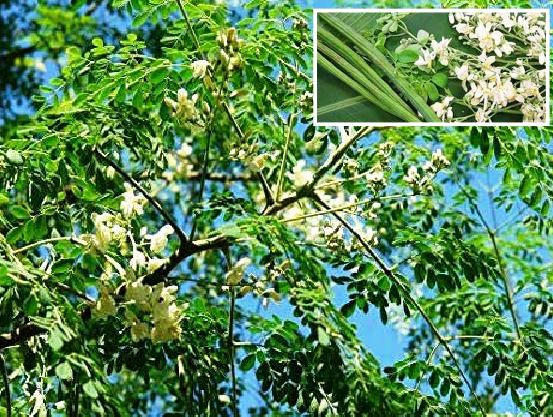
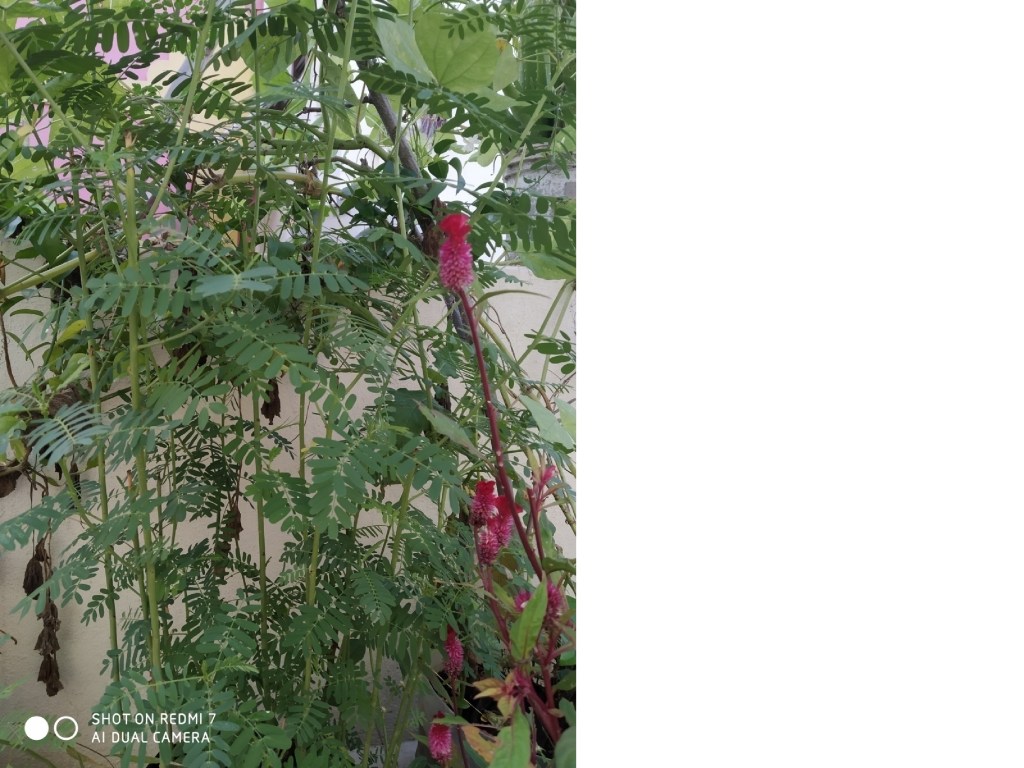
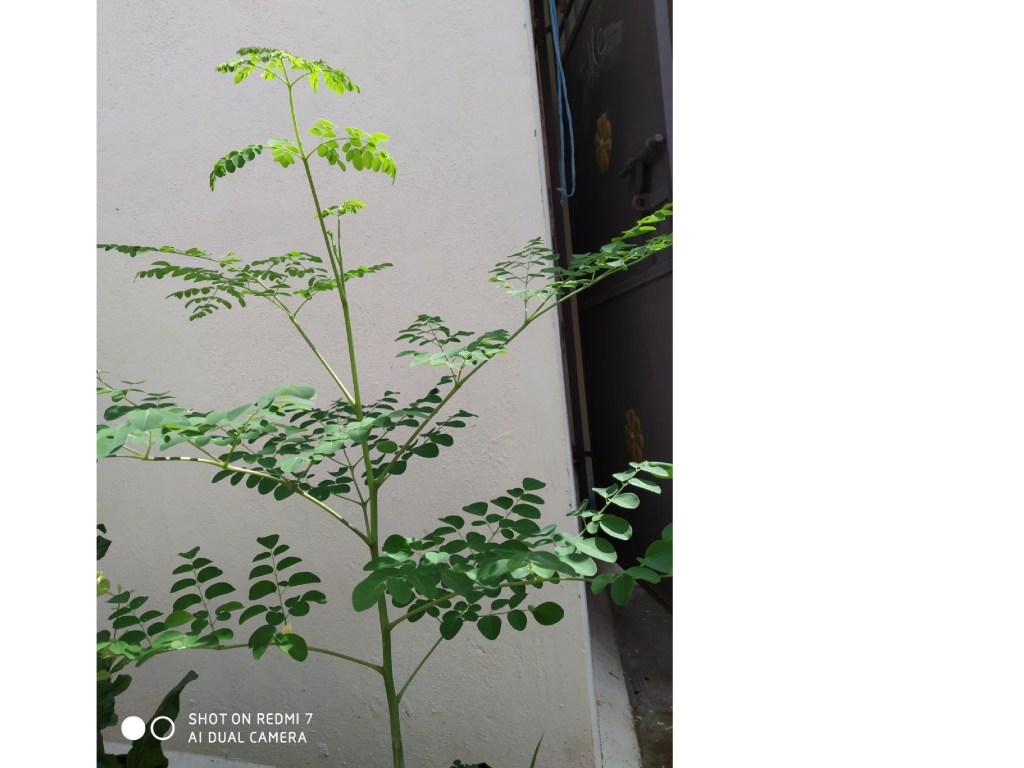
Drumstick (Moringa oleifera) is an important perennial multi -purpose vegetable grown widely in southern and western parts of India. Its tender leaves and immature or half –mature fruits are eaten. It is a delicacy in the south Indian households. It is most popular for its distinct, appealing flavoring fruits.
The flower buds are also used for culinary purposes. Besides, it has medicinal value also. Its pods are mainly used in curry making and in some areas leaves and flowers are also used for culinary purpose.
It contains good amount of minerals such as calcium (440 mg) and rich in iron (0.85 mg) and vitamin C (120 mg) for every 100 g fresh pod weight. Besides as a vegetable it is having many other uses such as; clarification of turbid water used for drinking purpose in villages in place of Alum by using dry seeds.
The juice from the leaves believed to stabilized blood pressure, the flowers are used to cure inflammations, the pods are used to treat rheumatism and the bark can be used as a digestive material. The varieties of drumstick are classified as annual and perennial ones. The annuals are short –duration crops.
PKM-1:An annual bush type drumstick, it flowers 90 -100 days after planting. It yields about 275 fruits per plant annually. The total fruit weight being 33-35 kg. The fruits are 65-70 cm long weighing 160 g. It can be ratooned for 3 years.
SOIL AND CLIMATENormally it can be grown in any type of soil, but sandy loam soil with good drainage is more suitable for its cultivation. Water logged and heavy soils are not suitable. This is a crop of low rainfall regions. Normally the planting of seedlings coincides with the commencement of rainy season i.e. June – July.
If there is a provision or irrigation and providing little shade in the initial few days, the crop can be planted in any season of the year except very cold months when night temperatures are less than 15’C. A pH range of 6.5 –8 is ideal
Season:June –July and November-December are well suited for sowing.
Sowing:About 1.0 –1.10 kg seed is enough for a hectare. (100 g will have about 300 seeds). Pits of 45 cm x 45 cm x 45 cm size are dug at 2.5 m x 2.5 m spacing one week before planting.
The farmyard manure @ 15 kg / pit is applied. A 60 cm circular irrigation basin is made around the pit, The pits are closed. Two seeds are sown 3 cm deep in each pit in the centre. Seeds germinate 7-9 days after sowing.
Nursery raising: Raise the seedlings in 15 cm x 10 cm dimension polythene covers filled with sand, Soil and FYM in equal proportion. Sow one seed per cover, at a depth of 2 cm. The seeds will germinate within a week and seedlings will be ready for transplanting in about 4 to 5 weeks when they attain an height of about 15-20 cm. Manures and fertilizers :100 : 100 :100 kg / ha N:P2O5: K2O /ha/year. Farm Yard Manure @ 8-10 kg per plant has to be applied to the planting pit 8-10 days before planting of seedlings and 50 Kg each of nitrogen, Phosphorus and potash per ha. is to be applied at the time of planting and the same dose is repeated at every six months interval for the crop.
High density planting and fertigation in moringa PKM 1:High density planting at 1.5 X 1.0 m spacing with two plants /hill and plant population 13,333 / ha along with the application of fertilizer dose of 135 :23 :45 g of NPK / pit (150%) through drip increase the yield of moringa. In this, apply phosphorus basally as soil application. Apply N and K in the form of urea and muriate of potash through drip.
Pinching:Plants with overgrown branches cause difficulty in harvesting. To facilitate more branching, pinching of main shoots on 80th day after sowing or when they are about 75 cm in height and two times with monthly intervals are to be taken. After first pinching. This will register the highest yield of fruits.
After cultivation: Gap fill within a month. Grow short duration vegetable like cowpea, bhendi and tomato as intercrop.
Weeding: The field should be maintained weed –free for initial 2 months. As plants grow to a height of 3 feet, there is no need for weeding. If necessary, weeding can be done.
Irrigation: This crop is quite hardy and during dry season requires irrigation one in two weeks and for commercial cultivation drip irrigation can be adopted with daily application rate of 12 to 16 liters of water per tree during other seasons. Where water sources are scarce life saving irrigation or pot watering once in two weeks during dry period will sustain the crop.
INSECT PEST MANAGEMENT
Insect management
As a general recommendation to reduce pest incidence at the time of organic manure application give Neem Cake @ 500 g per plant and also enrich the FYM with Trichoderma @ 1 kg per tonne of FYM.In June-July and Jan-Feb, when plants give new flushes, spray malathion (0.2%) .
During flowering period, spray Monocrotophos @ 1 ml/L to prevent thrips. If flower webber is seen one or two sprays of carbaryl (2.5 g/L) along with Nuvan (2ml/L) can be given.
Plant protection – Pests
Moringa pod fly management: Soil application of Thiamethoxam 25 WG @ 200g a.i. / ha on 150, 180 and 210 days after planting; placement of fermented tomato fruit trap @ 25 / ha; and need based foliar spray of Spinosad 45 SC @ 56ga.i. / ha followed by Profenophos 50 EC @ 250ga.i. / h
Bud worm, leaf caterpillar and leaf webber: Dust Carbaryl 10 D @ 25 kg/ha or spray Carbaryl 50 WP @ 2 g/l. Hairy caterpillar: Use flame torch when the caterpillars settle on the tree trunk.
Disease Management: Powdery mildew and sometimes leaf spot diseases are the only diseases of economic importance which can be managed by foliar spraying of Wet table sulphur (0.3%) or Tridemorph (0.1%) or Hexaconazole (0.075%) or Dinocap (0.1%) or Carbendazim (0.1%).
Harvesting and Post Harvest Management: If there is more flower clustering on the tree then the yield is low. An individual inflorescence carries 19-126 flowers, average being 53, But it results only in one fruit. Normally 3-5 fruits / inflorescence are obtained. Fruit set ranges from 1.0-2.8 %. The percentage fruit set varies from tree to tree.
The fruit length varies from 25-100 cm depending upon the type of moringa variety. Each fruit weights around 150-230 g containing 10-20 seeds each on an average. Annual drumstick starts bearing from 6th month onward, providing 200 fruits / plant annum. Its average yield is 52 tonnes / ha.
The ratoon crop is obtained by pruning its trees to a height of 1 m after harvesting. The plants start bearing 4-5 months after heading back. Thus 2 ratoons can be taken. After rationing NPK along with 25 kg farmyard manure are applied. A number of value-added products can be prepared if its availability is in excess. They are moringa pickle, dehydrated moringa, moringa leaf powder and moringa flesh mesocarp powder.
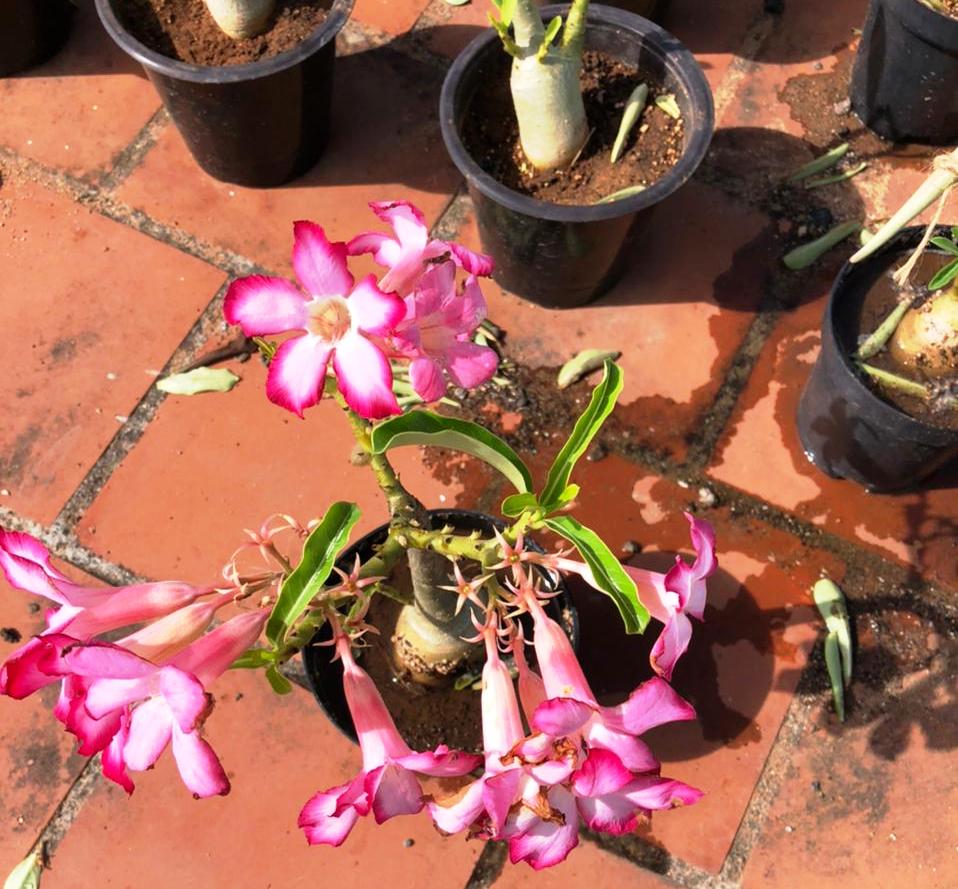
Adenium arabicum is produces smaller pale pink flowers with multiple big branches and long fat seeds. Direct sunlight is preferable to ensure good plant growth. Hence, Adenium is otherwise called as Desert Rose. Less maintenance plant which requires less water to survive. Plants are found in tropical and southern African countries as succulent shrublets, shrubs or small trees.
அடினியம் ஒரு அழகு தாவரம். பிங்க், வெள்ளை மற்றும் பல நிறங்களில் அழகிய பூக்களை உடையது. பாலைவன ரோசா என்று அழைக்கப்படுகிறது. சூரியஒளியில் நன்கு வளரும். குறைந்த நீர் மற்றும் மேலாண்மை போதுமானது.
Most of the plant lovers would like to have these plants in their favorite list. Let we see the germination procedure to get 98% of success baby plants from the seeds.
பொதுவாக தாவரங்களை விரும்புபவர்கள் அடினியம் வளர்க்க ஆசைப்படுவார்கள். எப்படி 98% விதை முளைப்பதை உறுதி செய்வது என பார்க்கலாம்
Freshly harvested seeds has good viability than older seeds. After 3 months, the seed viability is getting reduced.
Soak seeds in any bio-control agents (likePseudomonas) / fungicide water for 4 hours. Now you can easily remove husk from the seeds.
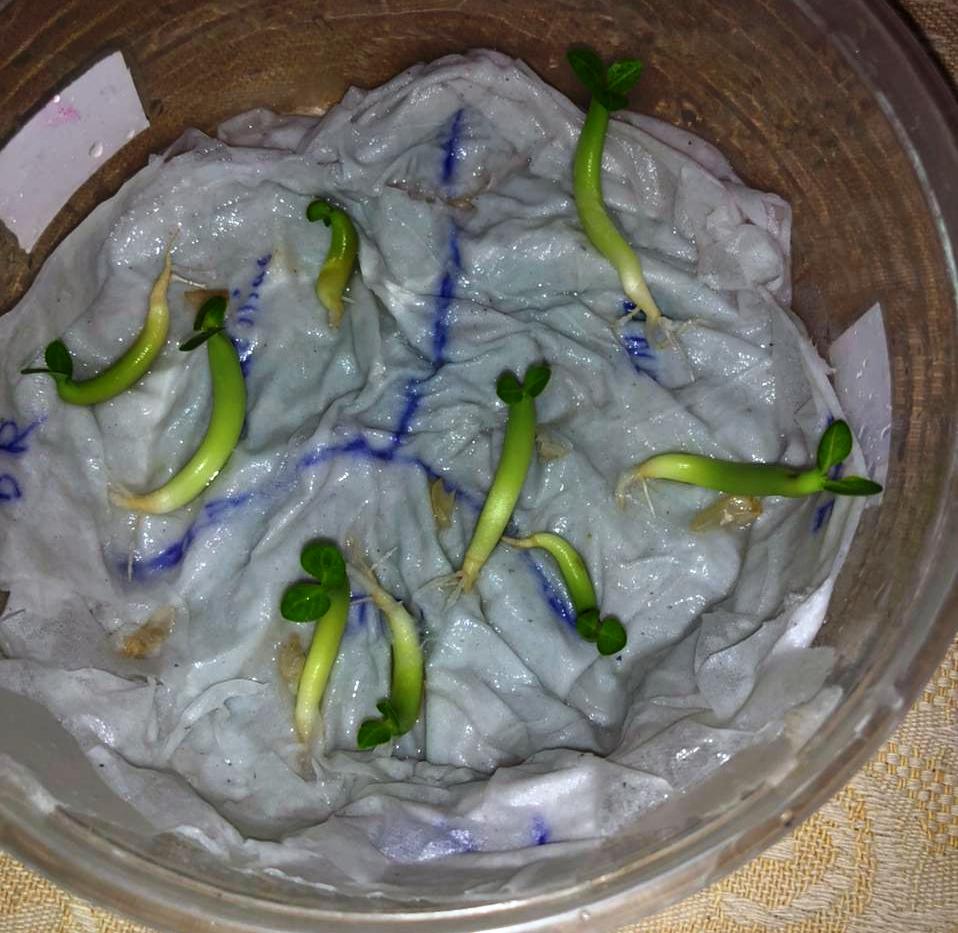
After de-husking the seeds, closely place them in 3 – 4 layers of wet tissue paper in the bowl and cover it with single layer of tissue paper again. Moist the pack once a day and close the bowl by lid with air tight condition. Place it in indoor. Place the container in open terrace or under direct sun light during October, November, December and January month to break seed dormancy.
Open the lid once daily to enter fresh air. Few seeds will take time for its germination. Hence, don’t waste it. Wait for some more days until seeds get decay.
There is a possibility of fungal growth in this air tight condition, So, least concentration of fungicide solution / bio control agents are recommended.
After de-husking you can use sand and vermicompost as growing media (1:1 ratio). Spread the mix in the bowl as a layer and place the seeds closely in the media. Sprinkle the water regularly. Close the bowl and Keep it in indoor condition.
Around 98% of the seeds starts to germinate in this method within 7 – 10 days.
விதையினை உடனே பயிரிடுவது சாலச்சிறந்தது. 3 மாதங்களுக்கு பின் முளைப்பு திறன் குறைய ஆரம்பிக்கும்
சூடோமோனாஸ் போன்ற உயிர் உரத்தில் விதையினை 4 மணி நேரம் ஊறவைக்க வேண்டும். பிறகு விதையின் தோலினை சுலபமாக நீக்கிவிடலாம்
தோல் நீக்கப்பட்ட விதையினை நெருக்கமாக 3 – 4 அடுக்கு கொண்ட திசு பேப்பரில் வைத்து நீர் தெளிக்கவும்.
விதை கொண்ட அடுக்கினை மீண்டும் 1 அடுக்கு டிஸ்ஸு பேப்பர் வைத்து மூடி ஒரு கிண்ணத்தில் வைத்து மூடி வைக்கவும். கிண்ணத்தினை அறைவெப்பநிலையில் வைப்பது நல்லது. கிண்ணத்தினை காற்று புகாதவாறு இருக மூடவும்.
விதையின் செயலற்ற நிலையை தவிர்க்க அக்டோபர், நவம்பர், டிசம்பர் மற்றும் ஜனவரி மாதங்களில் கொள்கலனை திறந்த மொட்டை மாடியில் அல்லது நேரடி சூரிய ஒளியில் வைக்கவும்.
தினமும் ஒரு முறை மூடிய கிண்ணத்தினை திறந்து மூடுவதால் புதிய காற்று உள்ளே வரும்.
காற்று புகாதவாறு இருப்பதால் பூஞ்சை வர வாய்ப்பு அதிகம். குறைந்த அடர்த்தியில் பூஞ்சைக்கொல்லி / சூடோமோனாஸ் போன்ற உயிர் உரங்கள் பயன்படுத்துவதால் பூஞ்சை மற்றும் அழுகல் நோய் வராது.
அல்லது விதையின் தோலினை நீக்கிய பிறகு மணல் : மண்புழுஉரம் (1:1) கலவையில் வைத்து அறைவெப்பநிலையில் வளர்க்கலாம்.
தினமும் நீர் தெளித்து வர வேண்டும். இந்த முறையில் 7 – 10 நாட்களில் 98% விதைகள் முளைக்க ஆரம்பிக்கும்.
சில விதைகள் முளைக்க நாட்கள் எடுத்துக்கொள்ளும். அதனால் பொறுமையாக காத்திருக்கவும்
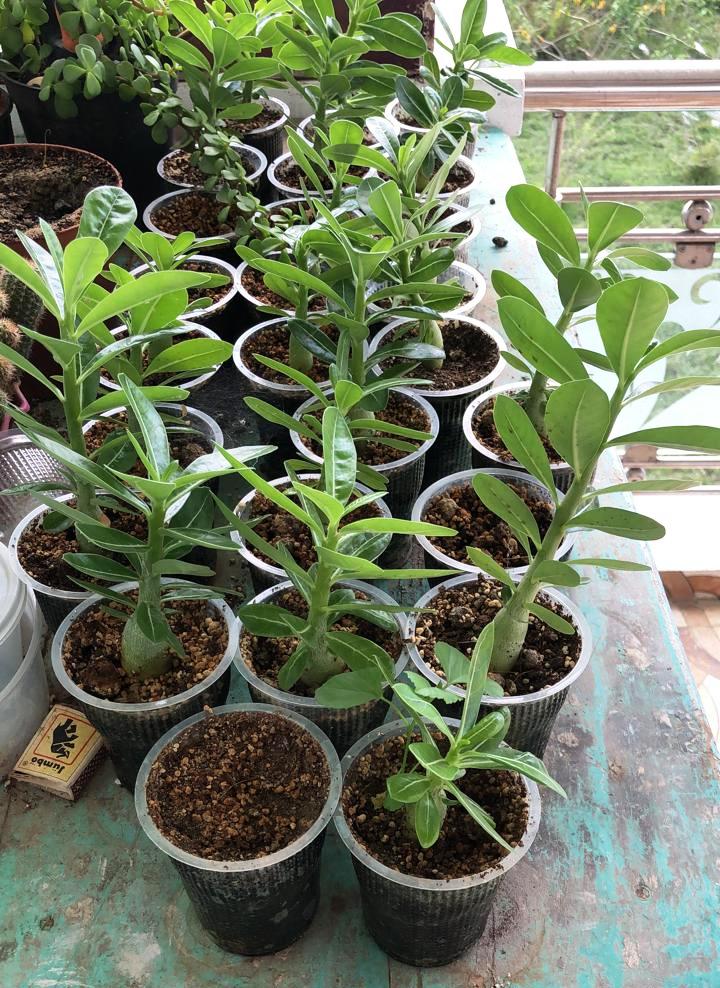
மேல் படத்தில் உள்ளது போல் விதைகள் முளைத்தவுடன் நீர் கப்புகளில் மாற்றிவிடலாம். மண் கலவை – தென்னைநார் கழிவு : மண்புழுஉரம் : செறிவான மண் (1:1:1) : ஒரு கைப்பிடி வேப்பம்புண்ணாக்கு : உயிர் உரங்கள்.
நீர் கப்புகளில் மாற்றப்பட்ட அடினியம் நாற்றுகளை அரை நிழல் படும் பகுதியில் இரண்டு மாதங்களுக்கு வைத்து நீர் தெளித்து வர வேண்டும்.
இரண்டு மாதங்களுக்கு பிறகு பெரிய தொட்டிகளில் நாற்றுகளை மாற்றி சூரியஒளி படும்படி வைக்க வேண்டும்
தொட்டிகளில் நீர் தேங்காமல் வடிகால் வசதி நன்கு இருக்குமாறு பார்த்துக்கொள்ள வேண்டும். இல்லையெனில், வேரழுகல் வரவாய்ப்புள்ளது.
தினமும் ஒருமுறை நீர் தொழித்தல் போதுமானது.
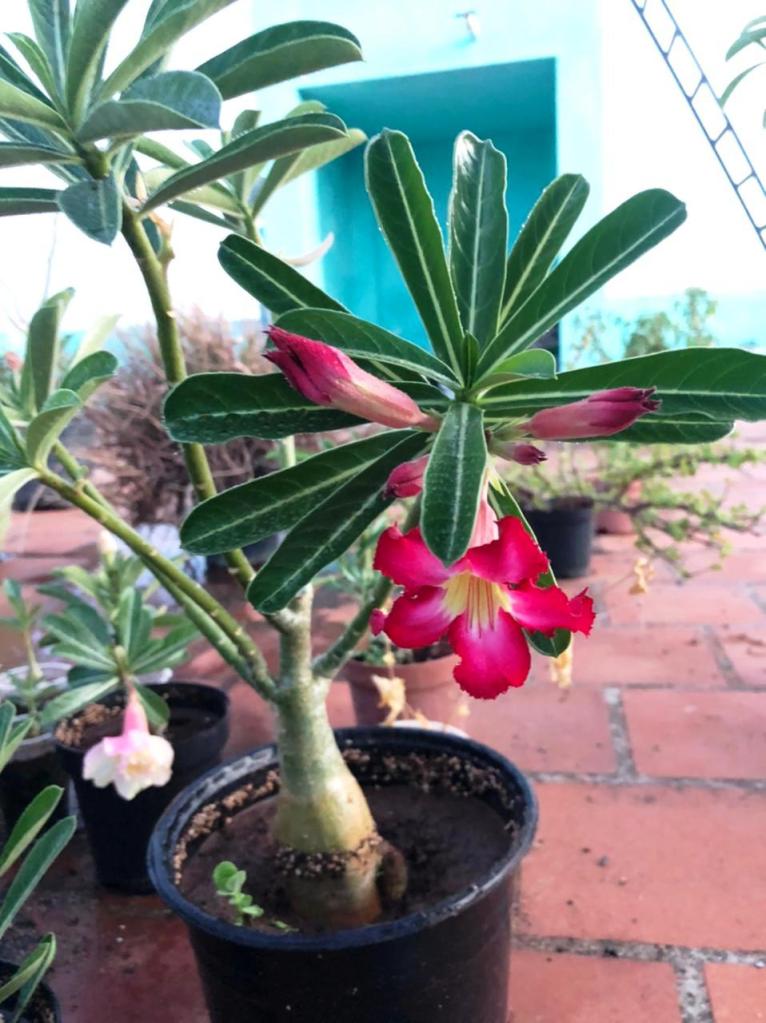
1.5 வருடங்களுக்கு பிறகு அடினியம் பூக்க ஆரம்பிக்கும்.
அடினியம் தாவரத்தின் அடிப்பாகம் பருமனாக இருக்க வேண்டும். ஆதலால் இந்த செடியினை தனியாக தொட்டியில் மற்ற தாவரங்கள் இல்லாமல் வளர்க்கவும்.
பூவிலிருந்து வரும் விதையினை பயன்படுத்தி புதிய செடிகளை வளர்க்கலாம்.
After two months, transplant these saplings in to the big pot as you wish and keep it under direct sun light. Avoid water stagnation. It is desert plant, so give little quantity of water in a day. Water stagnation leads root rot. So, ensure drainage in the pot. Base stem of the plant should be big, which decides the healthiness of the Adenium plants. Plant it in the separate pot.
Plants will start blooming after 1.5 years. Flowers will produce long seed pot. Seeds can be used for further multiplication.
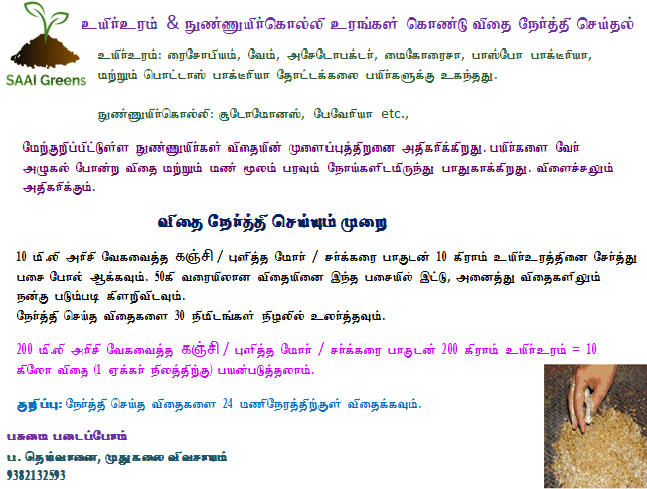
Rhizobium, Azotobacter, Mycorrhizae, VAM, Phosphobacteria, Potash Bacteria, etc., are Bio fertilizers.
Pseudomonas sp., Beauveria bassiana etc., Bio control agents.
The above mentioned agents are suitable for vegetables, flowers, fruits and greens. It increase the germination capacity of seeds. Seeds resist from pathological infection like wilting. Yield also will amplify.
Seed Treatment with Bio-fertilizers / Bio-control agents are purely organic.
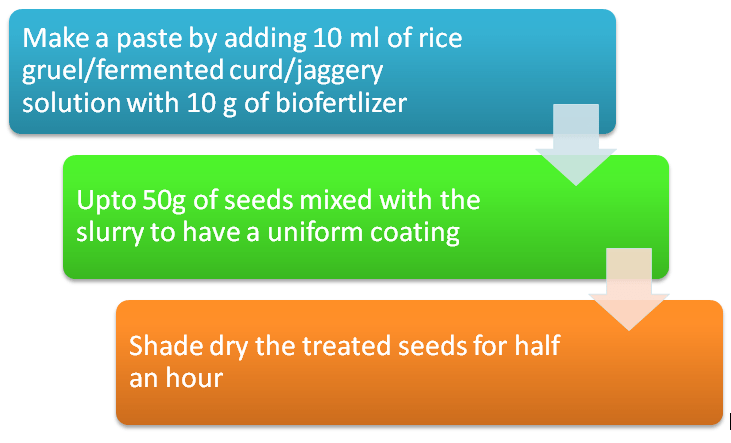
Requirements for Seed treatment
10 ml of rice gruel / fermented curd / jaggery solution
சக்குலண்ட்ஸ் / அடினியத்திற்கு பரிந்துரைக்கப்பட்ட மண் கலவை
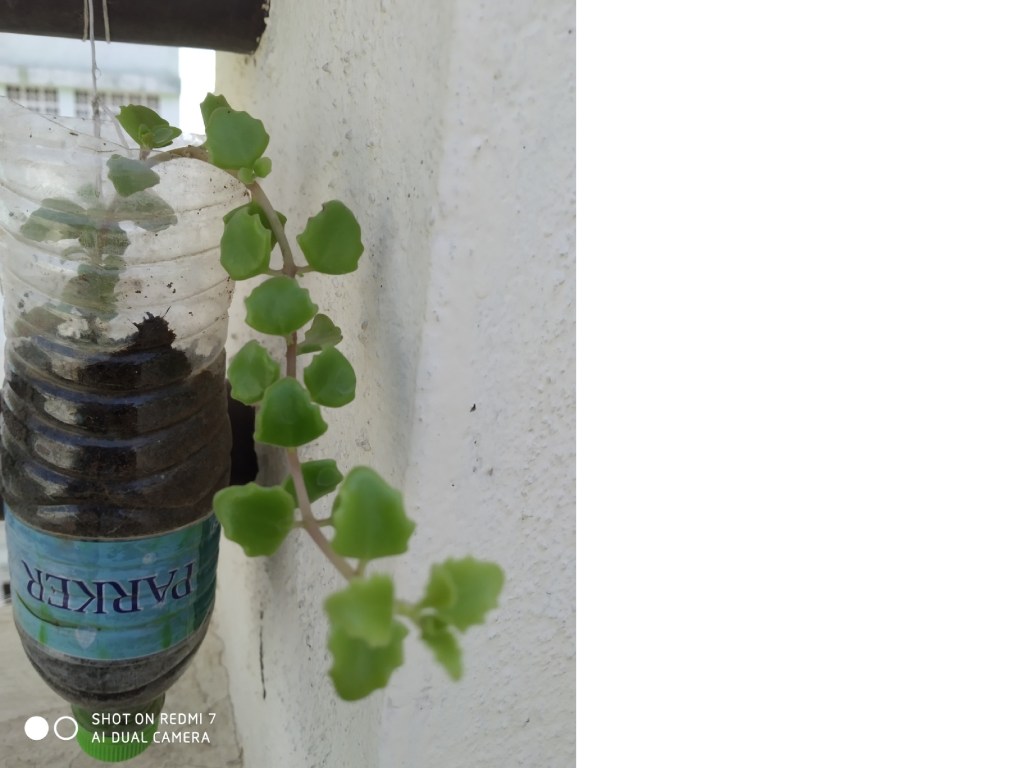
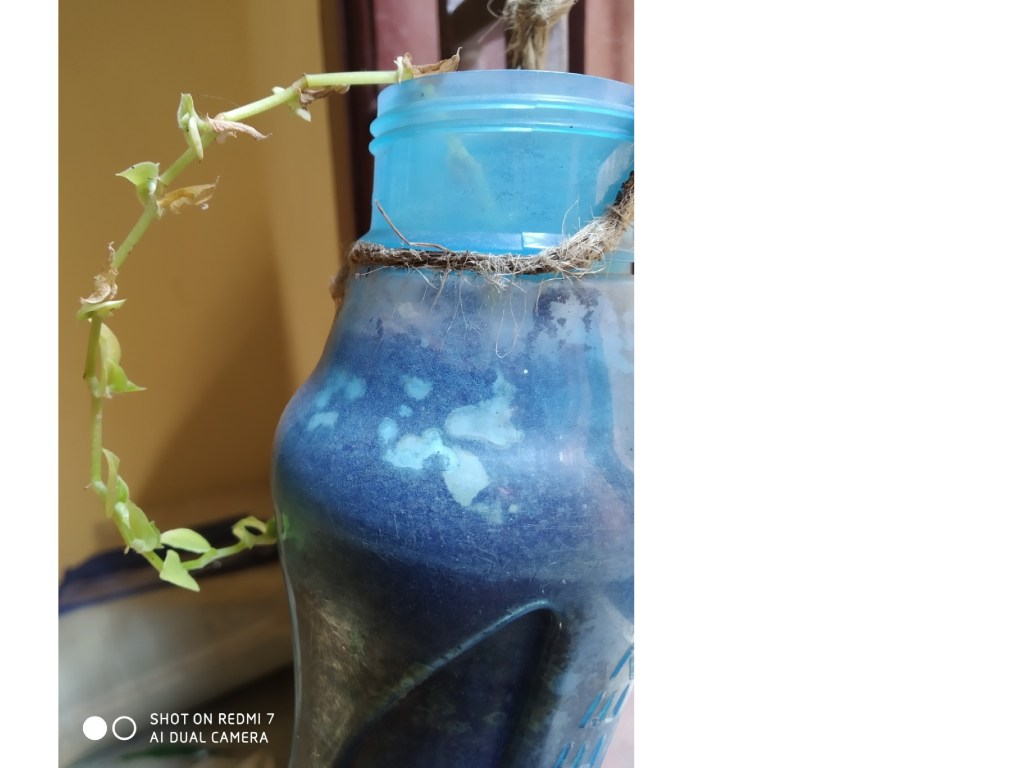
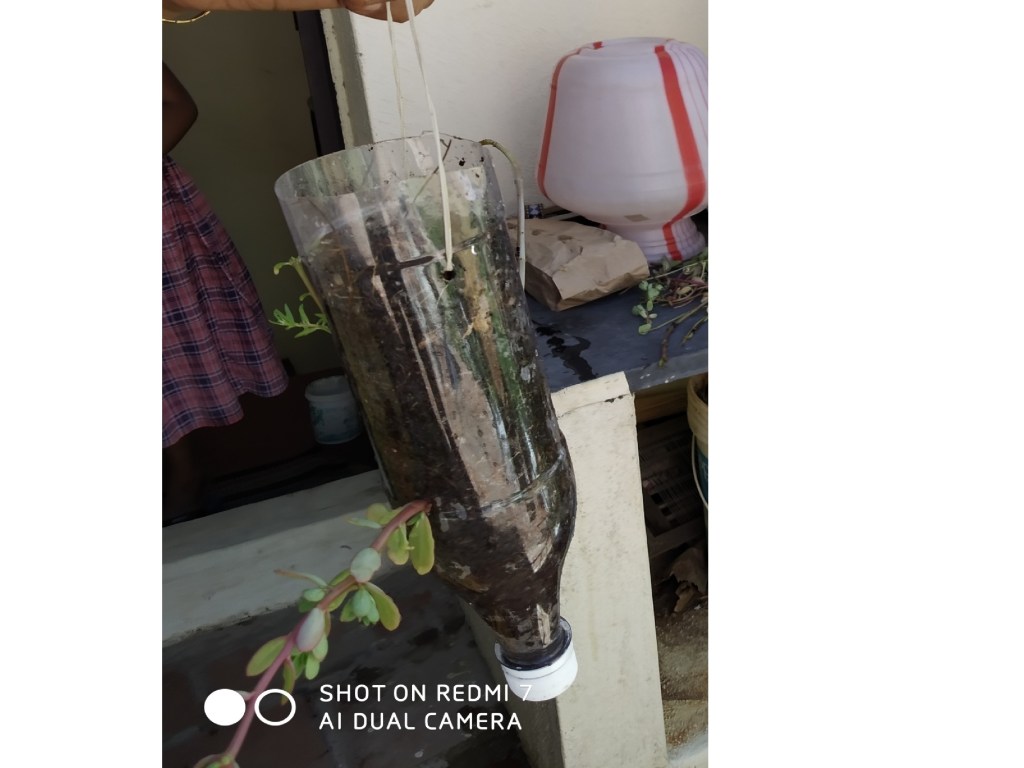
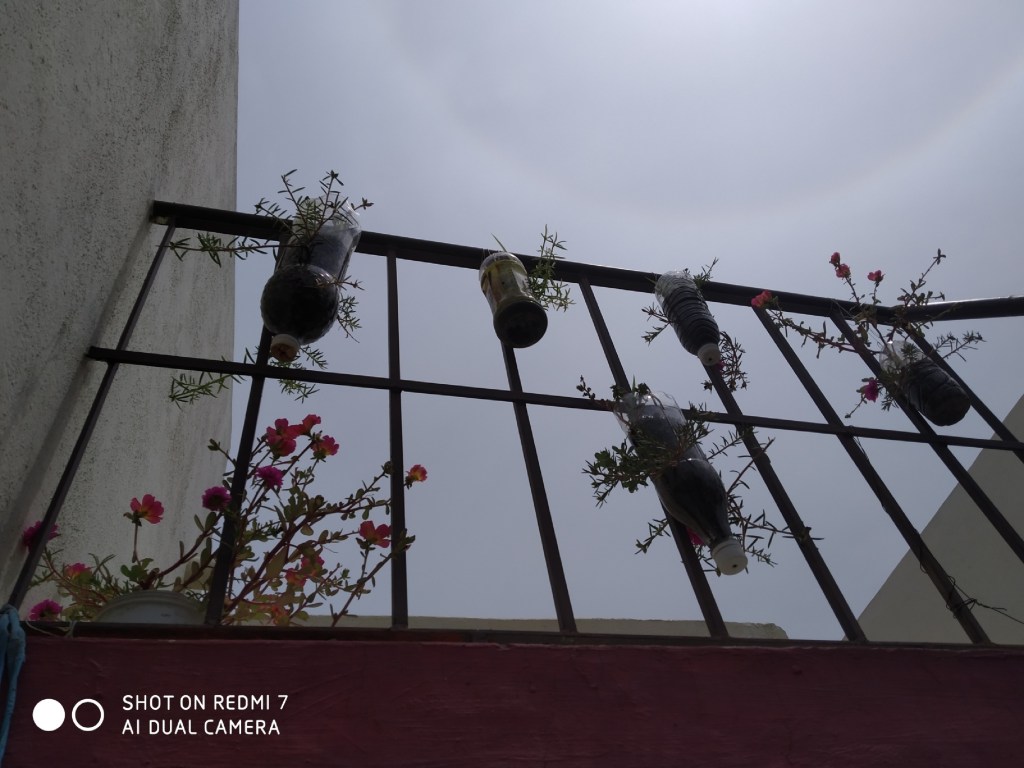
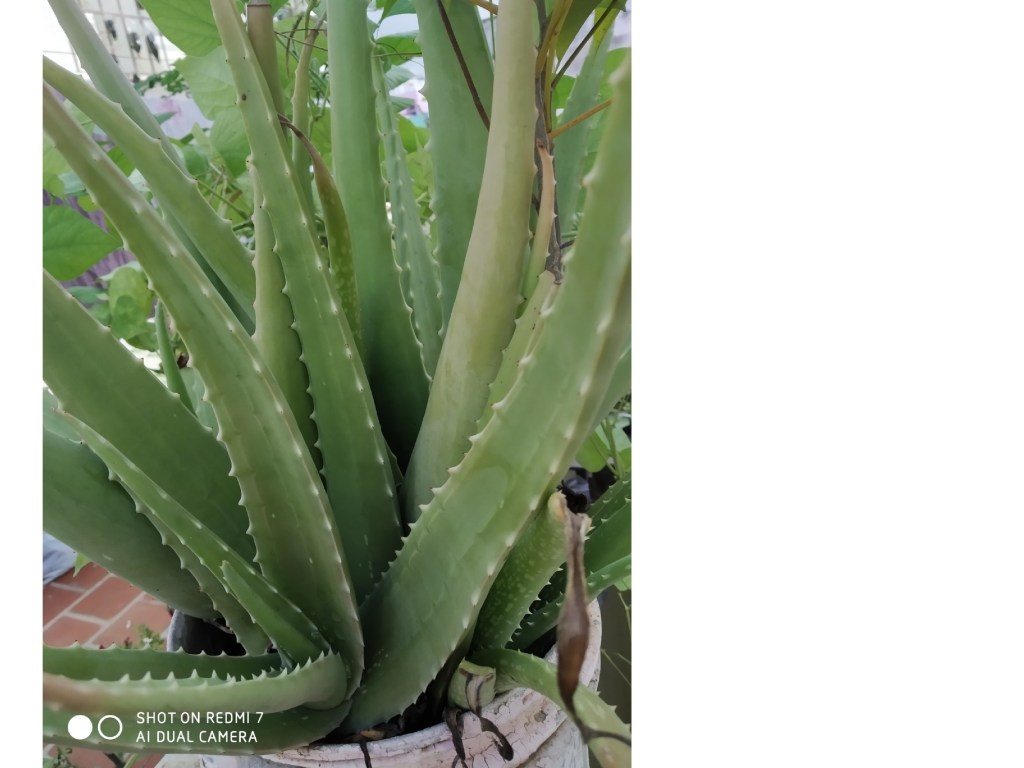
Succulent plants are drought tolerant plants. These plant leaves, stem, or roots have more fleshy by the development of water-storing tissue. Succulents are famous as ornamental plants for it’s unusual appearance. It can able to thrive with minimal care. Mostly succulent dying is often due to root rot due to over watering and slow draining soils. Benefits of growing succulents @ living places:
சதைப்பற்றுள்ள தாவரங்கள் வறட்சியைத் தங்கி வளரும். இந்த தாவரத்தின் இலைகள், தண்டு அல்லது வேர்கள் நீர்-சேமிப்பு திசுக்களின் வளர்ச்சியால் அதிக சதைப்பற்றுள்ளவை. சதைப்பற்றுள்ள தாவரங்கள் அதன் அழகிய தோற்றத்திற்காக அலங்கார தாவரங்களாக வளர்க்கப்படுகின்றன. இது குறைந்தபட்ச கவனிப்புடன் செழித்து வளரும். அதிக நீர்ப்பாசனம் மற்றும் வடிகால் வசதியின்மை வேர் அழுகல் நோய்க்கு காரணமாகி செடி இறக்க நேரிடும். வாழும் இடங்களில் சதைப்பற்றுள்ள தாவரங்கள் வளர்ப்பதன் நன்மைகள்:
Brighten a living place in all Climate.
Air Purifier.
Improve the Humidity.
Add Oxygen to the Environment.
Improve learning ability.
Develop Pain Tolerance.
Enhance Memory.
எல்லா காலநிலையிலும் இருக்கும் இடத்தை பிரகாசமாக்குகிறது.
காற்று சுத்திகரிப்பான்.
ஈரப்பதத்தை மேம்படுத்தவும்.
சுற்றுச்சூழலுக்கு ஆக்ஸிஜனைச் சேர்க்கவும்.
கற்றல் திறனை மேம்படுத்தவும்.
சகிப்புத்தன்மையை வளர்த்துக் கொள்ளவும்
நினைவாற்றலை அதிகரிக்கவும பயன்படுகிறது
Pot Mix composition for Succulents … மண் கலவை
2 parts sand : 2 parts gardening soil : 1 part perlite or pumice : 1 part Vermicompost
2 பாகங்கள் மணல்: 2 பாகங்கள் தோட்ட மண்: 1 பங்கு பெர்லைட் அல்லது பியூமிஸ்: 1 பகுதி மண்புழு உரம்
Alternative materials for Perlite / Pumice – Perlite / Pumice க்கான மாற்று பொருட்கள்
Rice husks.
Pumice.
Horticultural grit.
Granite gravel.
Vermiculite.
Calcined clay.
Bark.
Peat.
Leaf mould
நெல் உமிகள்
பியூமிஸ்.
தோட்டக்கலை கிரிட்.
கிரானைட் சரளை.
வெர்மிகுலைட்.
சுண்ணாம்பு களிமண்.
மர பட்டை.
பீட்.
இலை சருகுகள்













 SAAI Academy